Financial Times: The Arab Gulf states are reconsidering their investments abroad
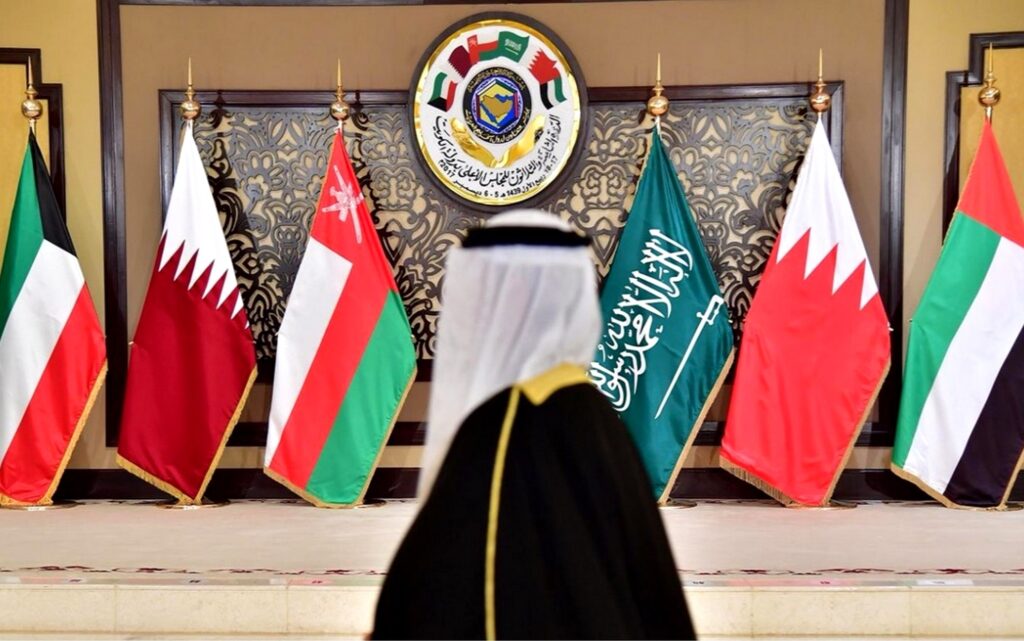
The Financial Times revealed that the Arab Gulf states, naming, Saudi Arabia, the United Arab Emirates, Kuwait and Qatar, are conducting extensive discussions to reconsider their foreign investments and international financial commitments.
The move comes as a result of the increasing pressure on its budgets due to the ongoing war in the region and its profound economic fallout.
The budgets of the Gulf countries suffer from several cumulative pressures that push them towards revaluation:
- A sharp decline in oil revenues due to the disruption of production and exports amid the conflict.
- Heavy losses in the aviation and tourism sectors, which are key pillars of the region’s economies.
- A significant rise in defense spending, which has put an additional burden on financial resources.
According to the Financial Times, the options on the table include, re-evaluating investments in foreign companies and countries, and possibly reducing some of them, and review of large sports sponsorship contracts and agreements with international investors.
These discussions are important because GCC sovereign wealth funds are among the largest investors in the world.
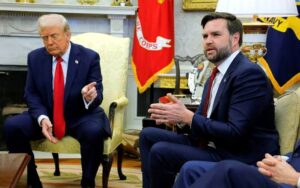
These moves have already caught the attention of the White House, as any restriction on Gulf investments could increase pressure on the administration to move faster toward a diplomatic settlement to the conflict.
Last year, Saudi Arabia, the United Arab Emirates and Qatar pledged to invest hundreds of billions of dollars in the US economy after former US President Donald Trump’s visit to the region.
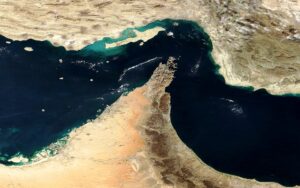
The discussions on investment restructuring were not just a theoretical reaction, but came against the backdrop of tangible economic damage to the region, most notably: Traffic in the Strait of Hormuz, a vital corridor for oil and gas exports, has been halted, and at least 10 tankers have been damaged; Qatar declares a state of “force majeure” after a drone attack that halted the production of its largest liquefied natural gas plants.
One of Saudi Arabia’s largest refineries has been targeted with another attack.
The Gulf states face a difficult equation: on the one hand, the internal financial pressures caused by the war and its repercussions on revenues and expenditures.
On the other hand, its large foreign investment commitments may be a leverage card or a means of easing the burden.
The next phase may hold surprises in the policies of the world’s largest investors.