Israel Hayom: Israel resorted to a ceasefire with Hezbollah because its incapable of confronting it and fears a war of attrition
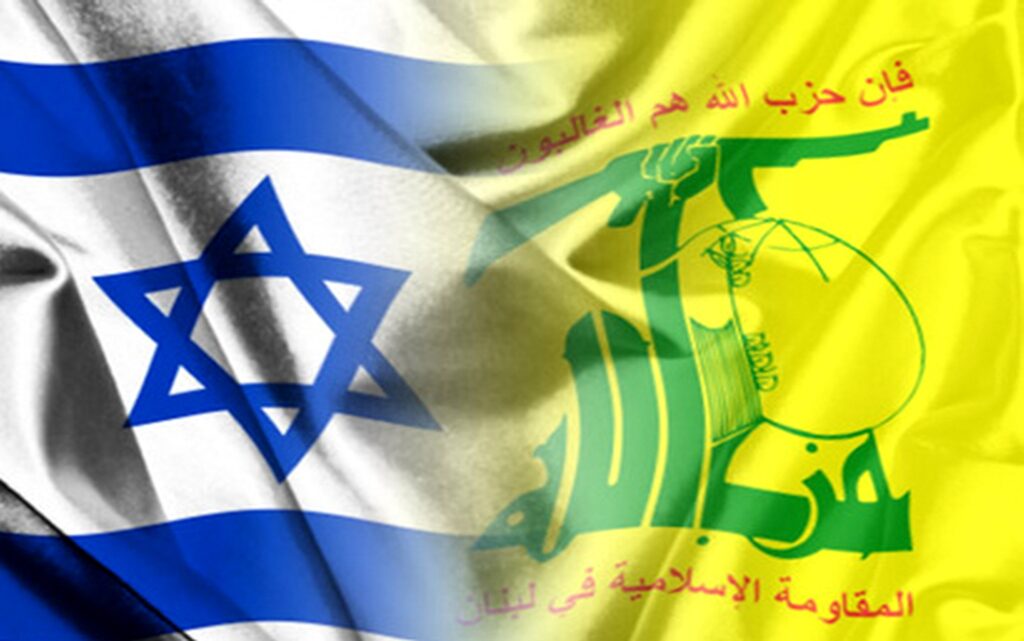
The Israeli Israel Hayom newspaper revealed a conviction within the Israeli military establishment that ending Hezbollah through military force has become unrealistic, in light of the erosion of the army’s ability to manage a war of attrition.
According to a senior Israeli official quoted by the newspaper, the government hasn’t issued any instructions to eliminate Hezbollah entirely militarily, although the stated strategic goal remains to undermine its capabilities.
The official added, “There is practically no military means capable of completely stopping the firing of missiles,” noting that current operations of interceptions and limited strikes only deplete the party but do not paralyze it.
The report indicates that the Israeli military establishment is facing an increasing challenge related to operational fatigue, with its heavy reliance on reserve forces and multiple open fronts.
According to the Israeli newspaper’s estimates, carrying out a comprehensive decisive operation against Hezbollah would require a massive expansion in the size of the forces, which is considered impossible under the current circumstances.
According to officials, this reality makes the ceasefire option not just a political necessity, but an operational necessity aimed at relieving pressure on the army and rearranging its priorities, after months of continuous fighting on several fronts.
The report argues that Israel has effectively shifted from a military resolution strategy to a long-term war of attrition, where the goal is to reduce Hezbollah’s capabilities and prevent major threats, such as ground incursions or large-scale attacks, rather than seeking to eliminate it completely.
Israeli military officials assert that Hezbollah hasn’t been militarily defeated.
In addition to military considerations, the report points out that the war has generated an increasing political and diplomatic cost for Israel, especially in Europe and the United States, against the backdrop of images and reports of destruction in southern Lebanon, and what has been described as a decline in Israel’s international image.
According to the Israeli newspaper, these pressures were reflected in relatively hardline Western political positions, including discussions within the US Congress about restricting some arms deals, in addition to European moves to reassess agreements with Israel.
In this context, the report presents the ceasefire brokered by US President Donald Trump as the result of a balance between limited military pressure and domestic exhaustion, rather than a victory settlement.
It also indicates that Lebanon requested a longer extension of the truce, but Israel preferred a shorter period, in an attempt to maintain gradual military and political pressure without sliding into open war.
Israel Hayom concludes that the current equation is based on the unrealistic prospect of a complete military victory against Hezbollah, increasing fatigue in the Israeli army as a result of multiple fronts, and the escalating political cost of the war abroad.
Thus, according to the report, Israel appears to have two limited options: continuing to manage the attrition through intermittent operations, or establishing a temporary truce as a means of containing the front with Hezbollah, while awaiting different strategic circumstances that may allow for a reformulation of the rules of engagement.