Washington is preparing a UN resolution regarding lifting sanctions on Syria
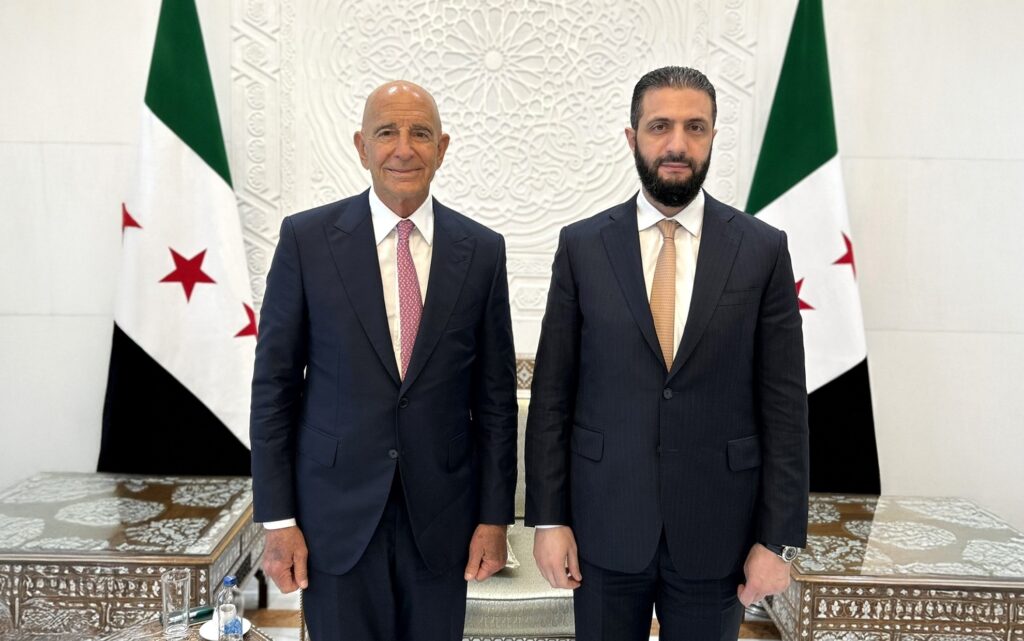
The United States is seeking to lift UN Security Council sanctions imposed on Syria including, sanctions imposed on Syrian transitional President Ahmed al Sharaa and the Hay’at Tahrir al Sham group, despite expectations of a Chinese Veto.
Washington distributed a draft resolution to Britain and France calling for the removal of al Sharaa and Syrian Interior Minister Anas Khattab from the UN’s counterterrorism sanctions list, which includes al Qaeda and ISIS.
These sanctions include restrictions on international travel that require special UN authorization.
The US bill also includes expanding sanctions exemptions to facilitate commercial activity in Syria, while introducing a limited exception to the arms embargo that allows UN agencies to use equipment essential for mine clearance and other operations, without being subject to dual-use restrictions.
The first version of the draft called for the removal of Hay’at Tahrir al Sham from the sanctions list.
However, after anticipating objections from some Security Council members, particularly China, the text was amended to allow the removal to proceed through the UN Sanctions Committee, which operates in secret.
It remains unclear whether Sharaa’s name will be removed before his expected participation in the upcoming UN summit in New York, where he is expected to deliver the first address by a Syrian president to the General Assembly since 1967.
US Special Envoy to Syria Tom Barrack said the UN isn’t yet ready to remove Hay’at Tahrir al Sham and its former leader from the blacklist, but he expected Sharaa to receive a special exemption allowing him to travel to the General Assembly meetings in September, even if his name remains on the blacklist.
Barrack added that a decision on a potential meeting between former US President Donald Trump and Sharaa on the sidelines of the summit hasn’t yet been made.
Hay’at Tahrir al Sham’s inclusion on the UN terrorist list dates back to 2014, when its predecessor, Nusra Front, was designated as al Qaeda’s branch in Syria.
The group carried out suicide attacks, car bombings, and assassinations targeting civilians and military personnel.
Over the years, the group has reconstituted itself several times, as back in 2016, it officially announced destined itself from al Qaeda, then merged with other Syrian factions in 2017 to form Hay’at Tahrir al Sham (HTS), which was placed on the UN sanctions list in 2018 as an extension of the al Nusra Front.
In a recent move, the Trump administration rescinded Hay’at Tahrir al Sham’s designation as a foreign terrorist organization, citing the Syrian government’s commitment to combating terrorism.
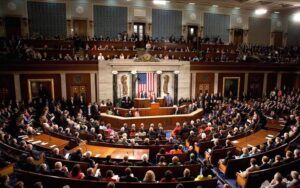
During a Security Council session, Acting US Ambassador Dorothy Shea called for a review of UN sanctions against the organization, arguing that the Council could amend the sanctions to support the Syrian government in its war against terrorism while maintaining the designation of the most dangerous militants.
The Chinese position is the biggest obstacle to lifting sanctions on the organization.
Beijing expresses concern about the Syrian army’s integration of Uyghur elements belonging to the Turkistan Islamic Party, a jihadist organization seeking to establish an Islamic state in Xinjiang and Central Asia.
Many party fighters have held leadership positions in the new Syrian National Army, which established the 84th Division to absorb Uyghurs and other foreign fighters.
Russia also opposes lifting sanctions at this time, calling on the Syrian government to take clear steps regarding foreign fighters and ensure the protection of minorities.
Despite these reservations, Moscow continues its contacts with the new Syrian government.
Last week, Russian President Vladimir Putin received Syrian Foreign Minister Asaad al Shaibani in Moscow, the first visit by a senior Syrian official since the regime change.