The German Chancellor declares a historic turning point and warns of a new reality hitting the country
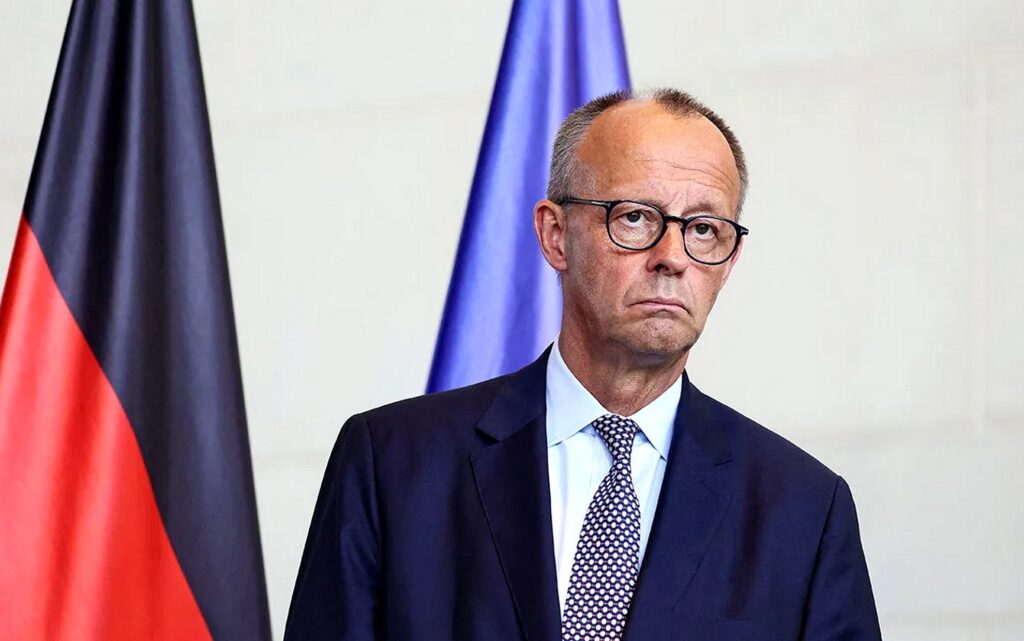
German Chancellor Friedrich Merz warned of a profound historical turning point threatening Germany’s future, arguing that the current generation faces unprecedented challenges since the post-World War II era.
During a conference in North Rhine-Westphalia, Merz emphasized that the convergence of domestic structural crises with international turmoil has placed the country under immense pressure, demanding an immediate response.
He noted that the weekly succession of crises is striking at the very heart of internal stability, a scenario that surpasses even his predecessor Olaf Scholz’s warnings of a year of turmoil that paved the way for the current energy crises and wars.
Seeking patience in the face of public anger, and in an attempt to absorb the rising public anger, Merz called on Germans to be patient with the reform plans he intends to accelerate, stressing that change has become an inevitable necessity in several respects, but this demand comes at a time when Merz’s popularity is noticeably declining.
A recent YouGov survey revealed that 74% of German citizens have a negative impression of the chancellor’s performance, with his popularity dropping by 4 percentage points in recent months alone.
This public pressure coincides with the passing of a full year since Merz officially assumed office, after he took the constitutional oath on May 8, 2025, before President Frank-Walter Steinmeier, succeeding Social Democratic Chancellor Olaf Scholz, who was described by polls as the most popular before his resignation.
Merz took office in a complex coalition government, amid escalating geopolitical tensions and debate over rearming the German armed forces (Bundeswehr) and increasing defense spending to 2% of GDP following the Russian-Ukrainian war, as these policies faced widespread public opposition.
Merz’s warnings reflect a grim reality, as the German economy is stagnating, the wars in Ukraine and the Middle East are driving up energy costs, and soaring inflation has eroded citizens’ purchasing power.
Add to this the migration and refugee crisis, which has significantly impacted the eastern states.
Political analysts believe that Meretz is trying to play the role of a paternalistic advisor swimming against the popular tide to reform a rigid social system, but the 74% dissatisfied figure indicates that the attempt has not yet succeeded.
Merz isn’t solely to blame; the German government faces enormous external and internal challenges, but leading the country requires the Chancellor not only to issue warnings but also to offer swift, practical solutions and communicate effectively with the people.
The remaining months of his term will be crucial, as if his popularity continues to decline (currently below 30%), Merz could face public criticism from within his own party (CDU/CSU), with calls for a change of approach or even his removal.
Merz is urging Germans to be patient, but they want tangible results, with this generational clash could determine the fate of his government.
It remains to be seen whether Merz’s historic turn will succeed or simply mark a fleeting moment in German political history.