The Wall Street Journal: NATO has stopped Russian drones in Poland but the cost was high
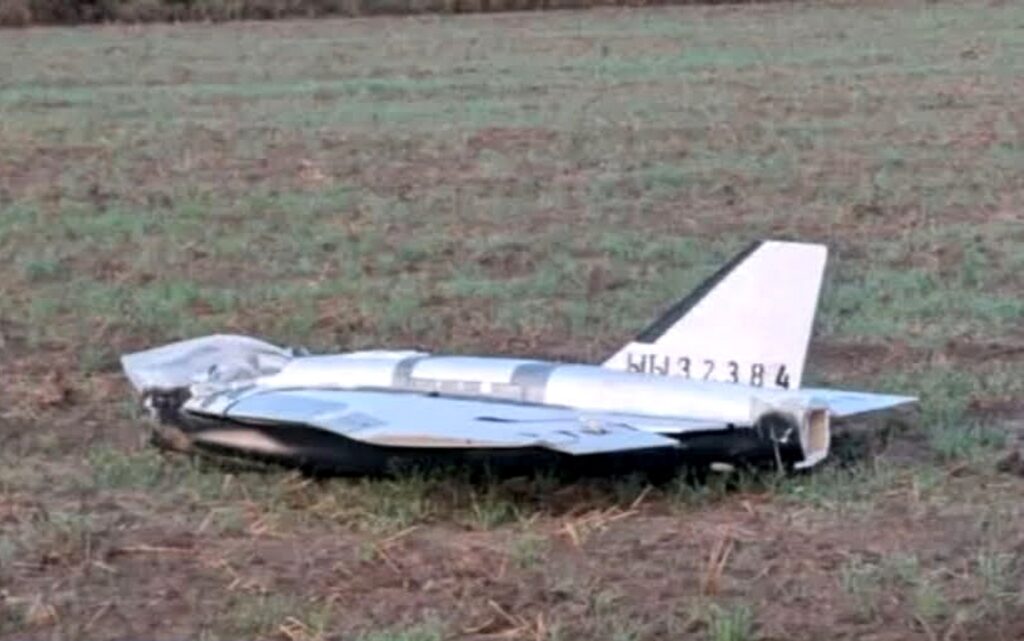
The Wall Street Journal reported that NATO has stopped the Russian incursion into Poland, but at a huge financial cost, creating a dangerous imbalance that puts large parts of Europe at risk.
The Wall Street Journal explained – in a report by Gillian Kay Melchior – that NATO shot down the Russian drones, and the Supreme Commander of the Allied Forces, General Alexus Grynkiewicz, described the response as decisive and effective, and a testament to the ability and professionalism of 32 allies working together.
But Ukrainian officials and experts view NATO’s response as worrisome, as Yuriy Sak, a former advisor to the Ukrainian Ministries of Defense and Strategic Industries, said, “Russia isn’t a hypothetical threat,” but rather a real and formidable threat to Eastern European countries.
Although Poland hasn’t reported any casualties, some drones have flown over densely populated areas far from the border, and four airports there have been closed.
Its worth noting that the United States approximately have troops are stationed in Poland.
On the other hand, the Kremlin has denied intentionally violating Polish airspace, but the evidence suggests otherwise, the author says, primarily the scale and duration of the incursion, with approximately 20 drones flying over Poland over a period of approximately seven hours.
“We cannot believe that 20 mistakes were made at the same time,” Polish Foreign Minister Radoslaw Sikorski said.
Polish authorities said a Russian and Belarusian disinformation campaign accompanied the drone violations of the country, and the Institute for the Study of War said the drones that violated Polish airspace “were equipped with fuel tanks that increased their range”.
In this regard, and according to WSJ, what Russia would gain from this provocation, except for information about the Western response.
NATO still relies on scarce and expensive weapons to intercept cheap and abundant aircraft, which means a lack of a credible response.
When there’s a pilot in the air, or someone on the ground defending the coalition, not want them thinking about the cost of weapons, I want them thinking about defending our citizens.
If NATO had a better way, this would be the time to prove it… Instead, NATO Secretary General Mark Rutte said they were calling in Patriot missiles and F-16 and F-35 fighter jets, whose missiles cost $1 million or more.
When General Grynkewich was asked about this flaw, he said, “When there’s a pilot in the air, or someone on the ground defending the coalition, I don’t want them to think about the cost of weapons… I want them to think about defending our citizens”.
But Lesia Urubets, of the Ukrainian Air Defense Initiative, said, “There are calculations to war… If you don’t have cheaper solutions, and your military isn’t well-trained to meet the challenges, you face huge costs, and if the offensive continues, Europe may not have enough supplies for weeks, maybe days”.
Poland didn’t shoot down all the drones, ass the WSJ noted that 20 drones is a small number compared to what Ukraine is facing.
That same night, Ukraine faced a Russian attack involving 415 drones and 43 missiles, according to the Ukrainian Air Force.
Ukrainian military intelligence indicated that Russia is now capable of producing approximately 2,700 Shahed drones per month, which have a range of approximately 1,500 miles—sufficient to strike most of Europe.
This would terrify NATO, which could be another Russian target… Fear has wide eyes, as Russia wants to divert air defense resources from Ukraine, so Ukraine’s allies can say, “We want to help you, but we have to help our allies who are already members of NATO”.