Jerusalem Post: Syria is still facing challenges
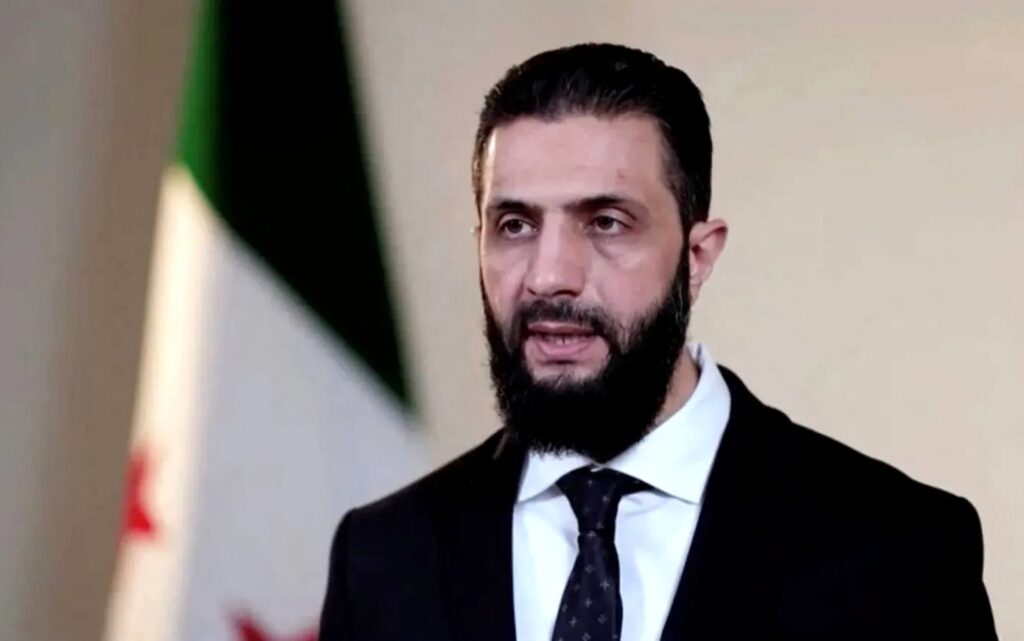
The Israeli Jerusalem Post newspaper published a recent report in which it considered that the risks associated with the situation in Syria haven’t yet disappeared, warning against being deceived by the image of what it described as the “strongman” in Syria, referring to Syrian President Ahmed al Sharaa.
According to the report, Israel has become accustomed to a recurring lesson in the Middle East that the image may not reflect reality, as some armed groups are transformed into political entities, hardliners are reintroducing themselves as statesmen, while Western diplomats are talking about political realism at a time when some minorities continue to suffer.
After the fall of Assad’s regime in 2024, some Western countries felt a sense of relief mixed with hope, as the new phase could be less bad.
In the midst of this vacuum, Ahmed al Sharaa, who had previously held leadership positions within al Qaeda linked factions, later emerged as a leader seeking to unify the country and ensure stability.
The shift in image has been swift and orderly, with the presence of jihadist discourse declining in favor of language on national reconciliation, minority rights, and regional stability, opening the door to Western discussions about sanctions relief and the possibility of political recognition.
In contrast, the newspaper says that the outlook in Israel is different, as it considers that talking about unity in such contexts can in practice mean imposing control, and that promises to protect minorities don’t always translate into reality.
The report also points to accusations that some minorities in Syria have been subjected to violence, displacement and confiscation of property, as part of attempts to bring about long-term demographic changes.
The report states that the Druze were among the groups affected by these events, pointing to the entry of regime forces into the governorate of Suwayda in July 2025, an area that is under Israeli surveillance due to its proximity to the Golan and Druze links across the border.
According to the report’s account, these developments have been accompanied by violence that has resulted in deaths, destruction and displacement.
As for Christians, the report says they have also faced security challenges, with incidents of targeting churches and clergy, including an incident in mid-2025 in which a Protestant pastor and several members of his family were killed in Suwayda.
The report concludes that the historic Christian presence in Syria has become, in its estimation, more fragile in light of the ongoing political transitions.