German States refuses to bear Ukrainian refugee expenses and demand a federal funding
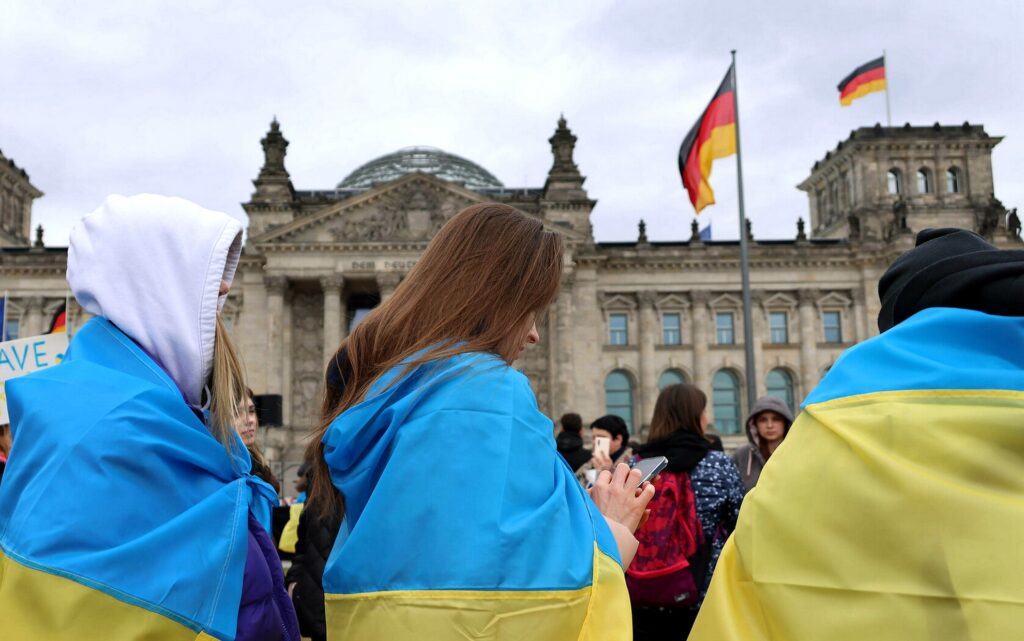
Tensions are mounting in Germany between the federal government and the country’s states over the financing of support programs for Ukrainian refugees.
Several state governments have openly called on Berlin to assume a significantly larger share of the financial burden, arguing that local and regional budgets are no longer capable of sustaining the growing costs associated with hosting and supporting hundreds of thousands of displaced Ukrainians.
According to German media reports, state leaders contend that the prolonged nature of the war in Ukraine has transformed what was initially viewed as a temporary humanitarian response into a long-term financial and administrative challenge.
As a result, municipalities and state authorities are facing steadily increasing expenditures in areas such as housing, education, healthcare, social welfare, language training, and labor market integration.
Officials from several states warn that local governments are reaching the limits of their financial capacities.
They argue that municipalities have shouldered a disproportionate share of the costs for refugee accommodation and public services, while federal financial assistance has failed to keep pace with rising demand.
State representatives are therefore urging the federal government to provide additional direct funding and establish a more sustainable framework for burden-sharing.
The dispute comes amid broader political debates in Germany regarding asylum, migration, and social welfare policies.
Growing pressure on local administrations, combined with concerns over housing shortages and strained public services, has intensified calls for a reassessment of current refugee funding mechanisms.
At the same time, some political parties and regional officials have advocated reviewing certain financial benefits available to Ukrainian refugees, arguing that existing support measures were designed for an emergency situation and may need adjustment in light of the conflict’s duration.
Others, however, insist that Germany must continue to uphold its humanitarian commitments and maintain strong support for people displaced by the war.
The disagreement highlights the increasingly complex political and economic challenges facing Germany as it continues to host one of the largest populations of Ukrainian refugees in Europe.
With no immediate end to the conflict in sight, negotiations between Berlin and the states over financial responsibilities are expected to intensify in the coming months.