Israel: Ahmed al Sharaa cannot enter the path of normalization with Israel
A statement by Israeli National Security Council chief Tzachi Hanegbi sparked widespread political and media controversy after he spoke of the possibility of normalizing relations with Syria and Lebanon, amid reports of undisclosed contacts between Tel Aviv and Damascus.
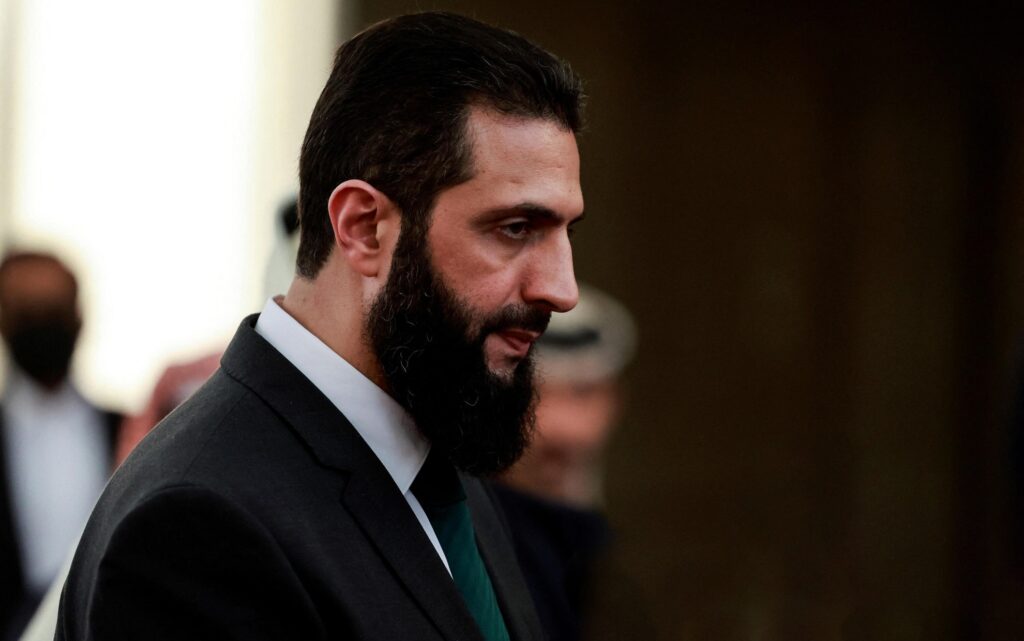
These statements come amid indications of a potential expansion of the regional normalization agreements known as the “Abraham Accords,” particularly following the radical changes taking place in Syria, with the fall of Assad regime in December 2024 and the assumption of power in Damascus by Ahmed al Sharaa, leader of Hay’at Tahrir al Sham.
Despite these developments, an official source in the new Syrian government confirmed that talk of peace with Israel is “premature,” emphasizing that any negotiations are conditional on Israel’s complete withdrawal from the occupied territories and the implementation of the 1974 Separation of Forces Agreement.
Despite decades of hostility between Syria and Israel, the pages of political history reveal repeated attempts to reach understandings between the two sides, including:
1949: Former Syrian President Husni al Zaim proposed a peace initiative in exchange for the return of half of the Palestinian refugees.
1974: Signing of the US-brokered disengagement agreement following the October War.
1990s: Direct negotiations between Damascus and Tel Aviv during the Yitzhak Rabin and Ehud Barak governments, and the two sides came close to an agreement on the Golan Heights.
2010: Leaks about Netanyahu’s willingness to give up the Golan Heights, despite his repeated denials.
Why is the normalization file reappearing?
Observers’ analysis points to several factors behind the renewed talk of normalization between Israel and Syria, most notably:
The goals of the new government in Syria, as Ahmed al Sharaa seeks to improve the country’s economic situation by opening the door to foreign investment, which requires calming the southern front.
Signs of a shift in political stance, as the new government has refrained from condemning Israeli airstrikes on Iranian targets inside Syria, and there are even reports of facilitating Israeli airspace access.
Potential US Support, as the US President Donald Trump’s meeting with Ahmed al Sharaa in Saudi Arabia contributed to the easing of sanctions on Syria, potentially signaling a US green light for broader diplomatic efforts.
Despite some positive signs, the path toward a formal normalization agreement between Syria and Israel remains fraught with obstacles, most notably:
Golan Heights: Israel’s insistence on annexing the Golan Heights in 2019 makes it difficult to make any concessions, while any agreement that includes an Israeli withdrawal could undermine Sharia’s domestic legitimacy.
Ahed al Sharaa’s Jihadist Background: The new Syrian leader faces difficulty reconciling his ideological past with pragmatic political options such as normalization.
Syrian public opinion: The majority of Syrians remain unprepared to accept the idea of peace with Israel, given the absence of official media promoting this option.
Analysts believe the Syrian-Israeli conflict will likely evolve into an undeclared security agreement, focusing on intelligence coordination and confronting common threats.
This agreement will later pave the way for a public agreement similar to what has taken place with some other Arab countries.