Washington launches an economic forum with Asia to confront China
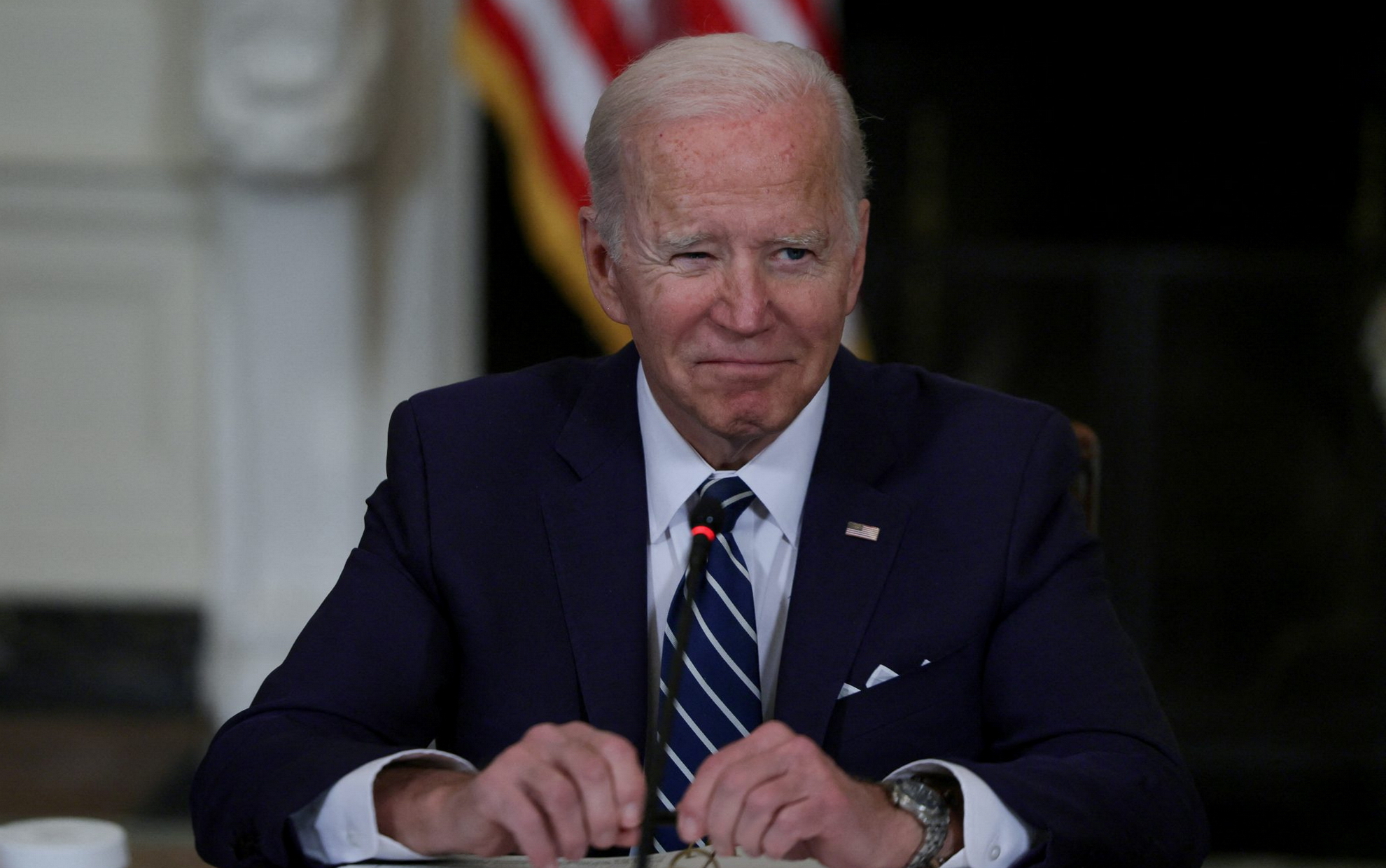
The United States laid the foundations of a 13-country alliance in the Asia-Pacific region on Friday in Los Angeles, focused on developing the digital sector, renewable energy sources, labor law and fighting corruption, as part of countering the expansion of China’s influence in the region.
After two days of negotiations, the countries of the Indo-Pacific Economic Framework for Prosperity, an initiative launched by US President Joe Biden in May, endorsed a declaration pledging cooperation in four areas: trade, particularly the digital economy, and supply chains which have been affected by pandemic, clean energy, and anti-corruption.
At the conclusion of the first in attendance meeting between the 14 members of the coalition, US Commerce Secretary Gina Raimondo said that the agreement “will create jobs in the United States and in the countries of the economic framework for prosperity in the Indo-Pacific region”.
She pointed out that the approved text constitutes a “road map for future discussions”, welcoming “consensus” among member states.
But India refused to make commitments in terms of trade and the digital economy.
With the new business partnership, the Biden administration hopes to boost its presence in a region that felt neglected under his predecessor, Donald Trump.
In light of his isolationist policy based on the principle of “America First”, Trump announced the withdrawal of the United States from the “Trans-Pacific Partnership” trade agreement, which focuses on Asia, in a move that some saw as giving way to China to dominate in a region considered very important from an economic point of view for the world.
Washington hopes to set common standards across the region, but without promoting access to its domestic market in the form of a traditional free trade agreement.
The alliance has faced criticism as mere nonsense with symbolic value.
But talk of free trade agreements is unpopular in the United States, where public opinion considers them a threat to American jobs.
A participant in the summit told AFP that “the continued absence of the United States from the region carries risks” because China provides support to these countries, especially through agreements on the level of infrastructure.
The spokesman pointed out that “this aid is attached to conditions and is long-term, and that would cause great harm to American companies in the region”.
The Indo-Pacific Economic Framework for Prosperity includes the United States, Australia, Brunei, Fiji, India, Indonesia, Japan, South Korea, Malaysia, New Zealand, the Philippines, Singapore, Thailand and Vietnam.
The alliance is theoretically an “open platform” that could at some point be joined by other countries, but it doesn’t include Taiwan, the self-ruled island that China considers part of its territory.