Signs of Turkish abandonment of the Syrian opposition coalition
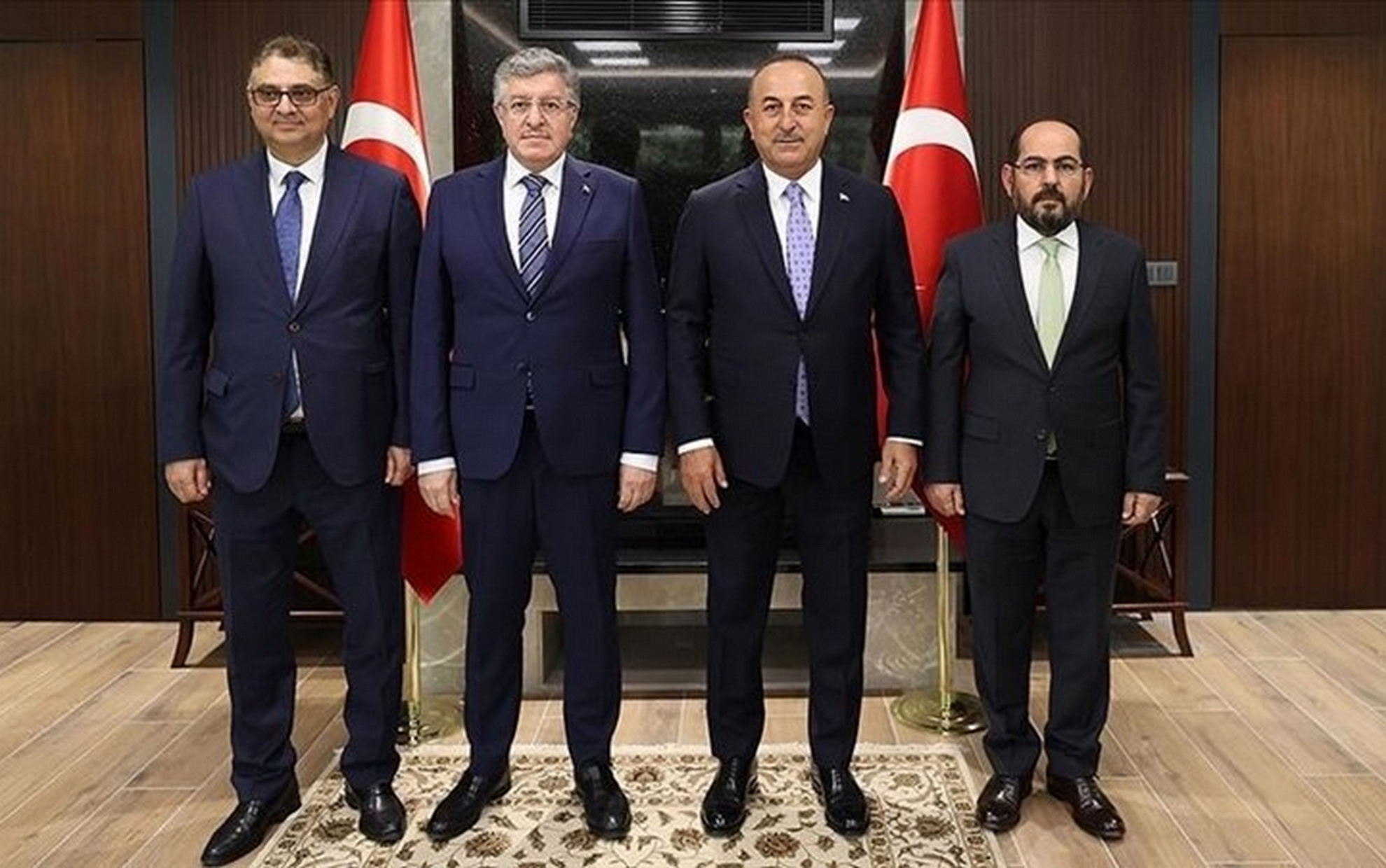
The Syrian opposition Coalition is experiencing one of its worst financial crises since its founding in 2012, according to what its sources in Türkiye.
While the Coalition fund was charged with the expenses of its leadership’s travel to New York to attend the meetings of the United Nations General Assembly, the “Negotiating Committee” was able, after a lot of begging and efforts, to secure these expenses, by obtaining a grant from a “German non-governmental organization”, whose name wasn’t revealed.
The leaders of the Coalition avoided bearing the costs of travel, despite their high incomes from their private investment projects in Türkiye.
Turkish sources, who preferred not to be identified, indicated that Qatar and Türkiye gradually reduced the funding of the Coalition, while other countries suddenly reduced it about a year and a half ago, explaining that the first steps in this path were last March, by closing a chain of One of the coalition’s offices in Turkish cities, the most important of which is Ankara, to keep its office in Istanbul for itself, while assigning its representatives in the rest of the cities to carry out their tasks from their personal residences.
As for the last calamities that occurred during a meeting with representatives of the Turkish side on August 21, when Ankara informed the Coalition that it had decided to reduce the value of what it gives as salaries to its members due to the Turkish economic crisis, according to the justification that was given during the meeting.
The leaders of the Syrian Opposition Coalition are afraid of repeating the experience of the National Council.
Over the past weeks, the Coalition has struggled to deny reports that it had received orders from Türkiye to close its offices and leave its territory, as part of the steps of rapprochement with the Syrian state.
In this regard, the sources affirm that “there are no such orders so far, despite the coalition being informed during the same meeting last month of the need to prepare for dialogue with the Syrian government,” noting that “the Turkish government wants to keep this opposition formation as a pressure card, in case it doesn’t the rapprochement efforts with Damascus will succeed”.
Nevertheless, the leaders of the Coalition are afraid of repeating the experience of the National Council, which was expelled from the political scene by a Turkish decision issued in September 2012, forcing it to surrender to the leadership of the fledgling formation (the Coalition) and to stop practicing any independent political activity, with a break Funding for it, which came from several Arab countries.
At this time, Salem al Muslat leads a current within the Coalition that insists on holding elections for its offices, instead of extending the current offices for a year.
Salem al Muslat is the 10th president of the Coalition, is pushing in this direction by relying on his reassurance that the election result will come in his favor, which will give him a two-year term instead of extending it for one additional year.
The decision on this issue was postponed more than once as a result of disagreements between the allies of the ruler themselves.
While the two Vice-Presidents, Abdel Hakim Bashar and Ruba Habbush, strongly support the extension to ensure their continuation in their positions, in light of the exhaustion of the chances of their candidacy according to the new internal system of the Coalition, an option that is also supported by the military as it maintains a strong representation in the Political body.
The rest of the blocs, such as Arab clans, the Turkmen Council and Kurdish representatives, tend to demand elections, because they find an opportunity to achieve gains and expand their influence in the opposition formation.