The Washington Post: The Mossad planned a ground operation in Qatar to assassinate Hamas leaders but the operation was aborted
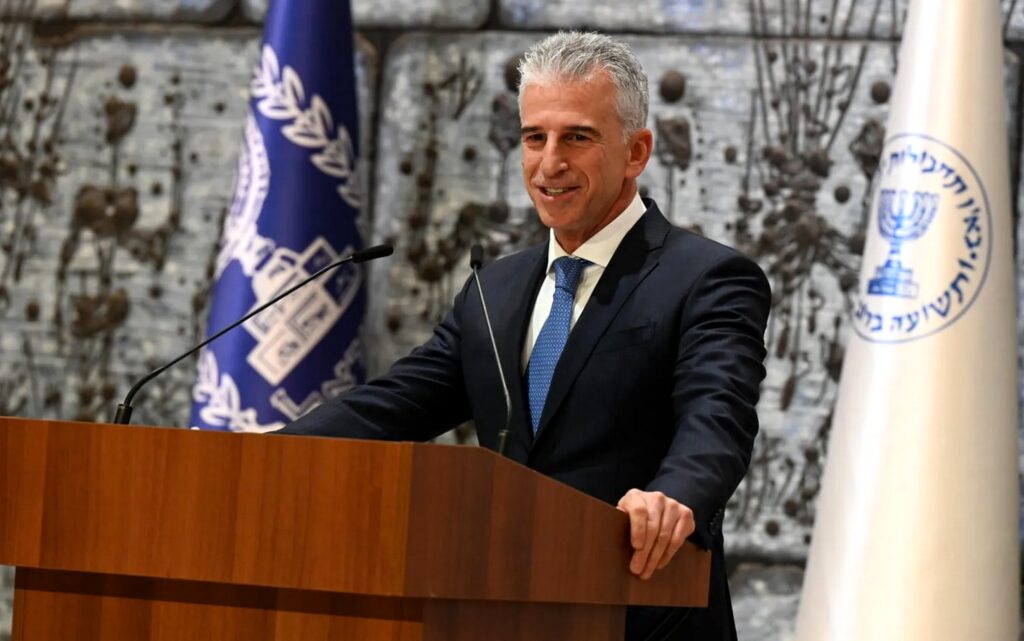
The Washington Post revealed that the Israeli Mossad planned a ground operation targeting Hamas leaders but refused to carry it out, forcing Israel to carry out a failed airstrike in Qatar, according to Israeli sources.
According to the report, Mossad planned a ground operation against Hamas leaders but declined to carry it out, forcing Israel to carry out the airstrike, according to Israeli sources who spoke to the Washington Post.
In addition, Mossad’s Director David Barnea’s objection was noted, citing the possibility that the assassination would damage the relationship between the Mossad and the Qataris.
The Washington Post also noted Chief of Staff Eyal Zamir’s objections to the timing of the attack, as well as the fact that Major General Nitzan Alon wasn’t invited to discussions to approve the attack plan.
Mossad wasn’t mentioned in the official statements announcing the attack in Qatar, but rather the attack was described in the name of the Israeli army and the Shin Bet.
The Washington Post claims that the reason for this is the intelligence agency’s refusal to implement a plan developed in recent weeks to use field agents to assassinate Hamas leaders, according to two Israeli sources familiar with the details.
An Israeli source said, “We can get them within a year, two years, or four years, and the Mossad knows how to do it… So why do it now?”
The Washington Post reports that Ismail Haniyeh was assassinated in Tehran about a year ago, using a bomb planted in his bedroom.
A source familiar with the details indicated that “Mossad was not prepared to carry out the operation on the ground this time,” adding that the agency viewed Qatar as an important mediator in the talks with Hamas.
“Barnea was known as someone who believed that Qatari mediation had value, and that you couldn’t burn out the Qatari mediators or the mediation channel,” said David Makowski, a senior fellow at the Washington Institute.
According to the report, in addition to Barnea, Chief of Staff Eyal Zamir, who had called on Netanyahu to accept the ceasefire agreement, opposed the timing of the attack for fear of harming the negotiations, while Minister of Strategic Affairs Ron Dermer and Defense Minister Israel Katz approved the move.
Major General Nitzan Alon was reportedly not invited to the discussion in question because senior commanders assumed, he would express opposition to an attack that could endanger the lives of the hostages.
According to the report, Israeli sources claim that the assumption is that Israel will be able to restore relations with Qatar over time, similar to how it overcame the international outrage it caused in the 1970s and 1980s, after Prime Minister Golda Meir ordered a series of assassinations in European and Middle Eastern countries following the 1972 Munich Olympics.