The United States agreed to the Syrian transitional president will UN meetings in New York
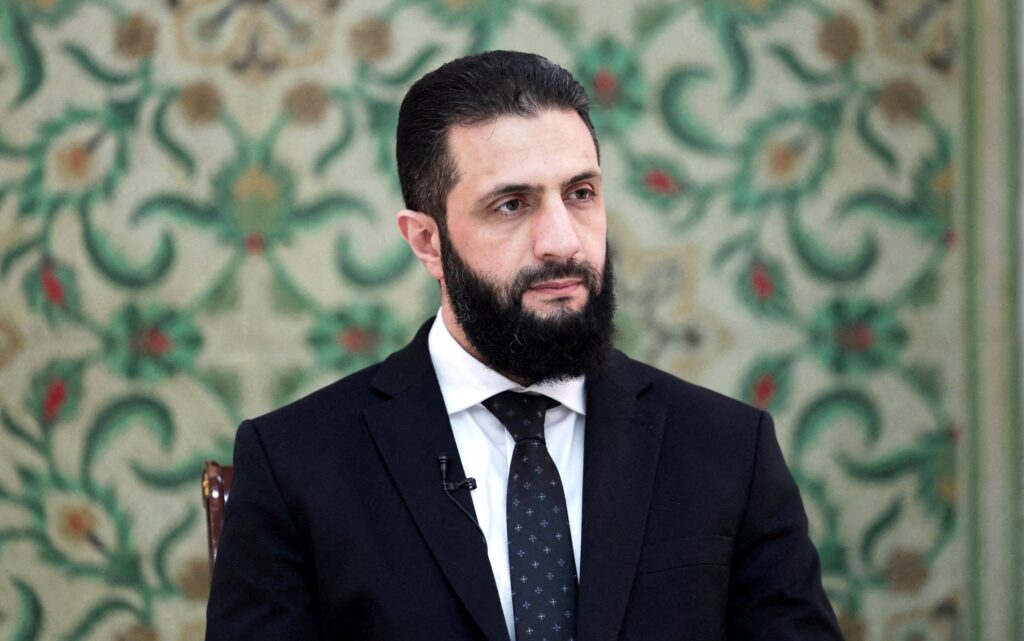
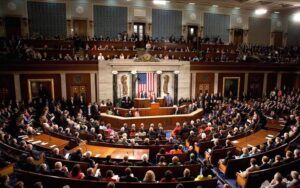
The United States has officially given approval for the Syrian transitional president, Ahmad al Sharaa, to attend the UN General Assembly meetings scheduled for New York next September.
This move represents a significant shift in the US position toward the Syrian leadership, amid rapidly evolving regional and international dynamics.
If this attendance occurs, Sharaa will be the first Syrian president to address the General Assembly since the late President Nureddin al Atassi’s speech on June 18, 1967, following the 6 days war in June 1967, a moment that remains etched in Syrian political memory.
What’s striking about this return isn’t only that it ends a rift that has lasted more than five decades, but also that it reflects a radical shift in Ahmed al Sharaa’s political standing.
From a figure once listed by Washington as a terrorist, he is now being presented as a partner in efforts to establish stability in the Middle East, particularly as the Israeli war on Gaza continues, entering its second year, amid declining effectiveness of the international system and growing criticism of its silence regarding ongoing violations.
The announcement of Syrian transitional president participation was accompanied by controversial leaks, most notably statements by former US Ambassador to Damascus Robert Ford, who confirmed his participation in efforts to rehabilitate al Sharaa at the invitation of a British organization.
Ford explained that he was part of a working group seeking to move al Sharaa from the category of security threat to that of potential political partner.
These statements sparked a wave of criticism within the US Congress, with several representatives and legal experts accusing the US State Department of adopting a double standard in its handling of Middle East issues, opening the door to a broader debate about the motivations behind the shifts in US policy in the region.
The US acceptance of al Sharaa’s participation didn’t come about suddenly.
Rather, it was preceded by informal meetings over the past few months, attended by representatives of the previous US administration and a number of regional allies.
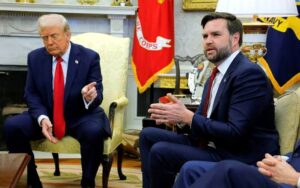
Among the most prominent of these meetings was a tripartite meeting between al Sharaa, former US President Donald Trump, and Saudi Crown Prince Mohammed bin Salman, which was described at the time as a step toward forming a new equation for the post-Assad era.
The US’s permission for al Sharaa’s participation comes at a particularly sensitive time, with crises escalating in the region, from the war in Gaza to the escalation in Sudan to the deep divisions within Syria.
This move is also seen as a signal of Washington’s desire to engage parties capable of stabilizing the situation on the ground, even if these parties are former adversaries.
Observers believe that Ahmed al Sharaa’s participation isn’t evidence of a new alliance, but rather reflects the United States’ search for realistic partners in a region plagued by dangerous power and influence vacuums.
The Syrian president’s return to the UN podium after 57 years carries significant symbolic dimensions and comes amid a complex global context where the geopolitical landscape is being redrawn by protracted wars and conflicts.
Thus, Ahmed al Sharaa’s speech is expected to be a major political event, reflecting profound changes in international relations and Syria’s position within the regional equation.