The investigative committee tasked with investigating the massacres on the Syrian coast reveals its findings, but keeps the names of the parties involved confidential!
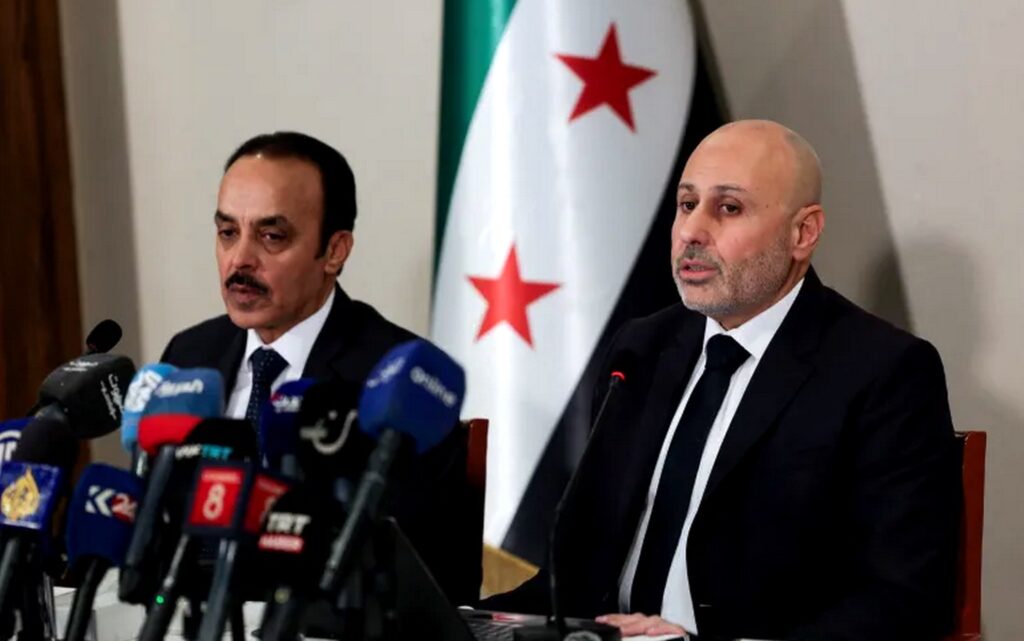
The Syrian National Committee to Investigate Violations that Occurred on the Syrian Coast in March has revealed the results of its work following months of field investigations and testimonies.
The committee announced that it documented the testimonies of 938 eyewitnesses as part of its fact-finding mission into attacks targeting civilians and former military personnel in several areas along the Syrian coast.
During a press conference held to present the investigation’s findings, committee chairman Jumaa al Anzi explained that the committee’s teams visited 33 field sites in the areas where the incidents occurred, heard testimonies from detainees and government officials, and held consultations with relevant international bodies.
He confirmed that the committee was careful to protect the identities of a number of witnesses, who requested that their names remain confidential for their own safety.
Key findings of the investigations:
The names of 1,426 dead were documented, including 90 women, while the rest included civilians and former fighters who had made settlements.
452 testimonies related to murders, and 486 testimonies related to robbery, armed robbery, arson, and torture.
283 security personnel were killed in attacks attributed to remnants of the former regime.
265 names have been identified as suspects in committing violations, based on witness testimony and available evidence.
Documentation of serious violations committed over three days (March 7, 8, and 9), including deliberate killing and systematic sabotage.
23 official statements were collected from state officials, in addition to the interrogation of a number of detainees suspected of involvement.
The committee referred two lists of suspects to the Public Prosecutor for legal action.
298 people were found to have been involved in serious violations, some of them gang members who carried out looting and robbery under the cover of lawlessness.
The investigation concluded that the motives for the violations were primarily revenge-related, rather than ideologically organized.
The committee chairman noted that some perpetrators violated military orders and participated in illegal operations.
He also emphasized the need to pursue fugitives from justice, underscoring the importance of advancing transitional justice and accountability.
He concluded by pointing to the committee’s recommendation to expedite legal proceedings and pursue fugitives, whether they are members of the regime or members of gangs that exploited the security situation to carry out illegal acts of revenge, with the aim of consolidating stability and achieving justice for the victims.