The absence of Saudi Arabia and the UAE from being part of the US led coalition in securing the Red Sea raises questions

The United States announced a list of countries participating in a new maritime coalition to protect navigation in the Red Sea from the Yemeni “Ansar Allah” group, but Saudi Arabia’s absence from the list was striking and perhaps surprising.
Saudi Arabia has an army equipped with US equipment, has been waging war against the Houthis for about nine years, and relies on Red Sea ports for 36% of its imports.
However, the KSA and its Gulf ally, the UAE, announced their lack of interest in the US project.
The main reason for their absence appears to be their concern that participation would detract from a long-term strategic goal of washing their hands of a senseless war in Yemen and a devastating conflict with Iran, the main backer of the Houthis.
The Houthis, who control a large part of Yemen, have been launching attacks on ships in the Red Sea for weeks in response to the war that Israel is waging with Hamas in Gaza.
There is no significant direct impact of the Houthi attacks on Israel because shipping companies said that a number of the targeted ships weren’t destined for it, but the attacks harmed Israel’s Western allies by complicating the path of global trade.
On Wednesday, the Houthi leader threatened to expand this campaign to include American warships.
US officials avoided saying explicitly that the two countries would not participate, and spokesmen for the Saudi and UAE governments didn’t respond to requests from Reuters for comment.
But whether they abstain from participating altogether or play a sideline role, both countries want to avoid appearing to be participants in a campaign that could undermine their long-term regional strategy and turn Arab anger at what is happening in Gaza against them.
Two sources in the Gulf familiar with the matter said that the Saudi and Emirati absence was due to their desire to avoid escalating tensions with Iran or jeopardizing peace efforts in Yemen by joining any naval action.
For years, out of concern about America’s long-term commitment, Saudi Arabia and the UAE have tried to change their regional policy directions, search for new partners, reconsider relations with Israel, and settle their rivalry with Iran.
The biggest steps in this process so far were a Chinese-brokered agreement between Saudi Arabia and Iran in February and the establishment of diplomatic relations between Israel and the UAE in 2020.
But the Saudis also want to end their nearly nine-year-long war in Yemen, which has turned into a stalemate that has damaged their reputation and destabilized security through Houthi drone attacks on airports and power stations.
It’s true that the UAE withdrew many of its forces from Yemen in 2020, but peace there is still important to it.
The UAE still supports groups in Yemen, and the Houthis targeted its capital, Abu Dhabi, with drone and missile attacks last year.
Saudi Arabia hoped that resolving these regional disputes would allow it to focus on an ambitious list of priorities that includes building new cities that look to the future and occupying a greater position in the international arena, including hosting the 2034 World Cup.
Israel is waging a war in Gaza with full US support after the Hamas attack on Israel on October 7.
This war threatens to undermine this Saudi dream, throw the region into a new era of uncertainty, and incite Arab anger against the West and its allies in the Gulf.
The relations between the UAE and Israel became estranged due to the war, which derailed the Saudi-Israeli normalization talks and made any follower of US policy an uncomfortable option for Arab leaders.
At the same time, many Arabs praised the Houthi drone attacks targeting Israel and the group’s strikes on shipping traffic in the Red Sea as a rare example of Arab action to support the Palestinians.
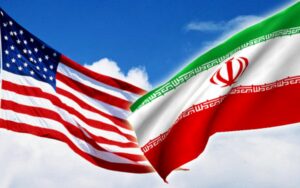
On the other hand, Iran stands at the head of what it calls the axis of resistance, which is a loose alliance that includes Hamas in addition to armed Shiite groups across the region that confront Israel and its Western allies militarily.
Iran denies Saudi and Western allegations that it provides material support to the Houthis, who are part of the axis of resistance, or provides them with guidance and guidance, but made a point of view about the Red Sea alliance clear.
Ali Shamkhani, an advisor to the Iranian Supreme Leader, said in a blog post on social media, “Any country that joins the American coalition to confront this (Houthi) action is a direct participant in the Zionist regime’s killing of children”.
But Saudi hesitation in attacking a regional strategy based on reconciliation with Iran and peace with the Houthis will be balanced by the Kingdom of Saudi Arabia’s need for security in the Red Sea in general and its continued reliance on the US security umbrella.
Former US ambassador to Yemen, Gerald Feierstein said that the United States “may not be happy that Saudi Arabia and the UAE didn’t publicly participate in the task force”.
However, Feierstein added that the White House must have been blind, deaf, and mute not to understand what was going on and be surprised by the reaction from the Saudi or Emirati side.
The United States remains Saudi Arabia’s most important ally and its main arms supplier, despite years of disagreements over elements of Middle East policy.
This may raise questions about a possible role for Saudi Arabia in the corridors to work more with the United States on Red Sea security.
Saudi Arabia and the UAE are already members of the US-led joint naval force operating in the Gulf and Red Sea, although the UAE said in May that it would withdraw from the force.
In response to a direct question about the apparent lack of participation on the part of the two Gulf states, John Kirby, national security spokesman at the White House, said, “I let each member state, whether it wants to acknowledge it or not, speak for itself”.
Kirby later said, without a direct reference to either country, “There are some countries that have agreed to participate and be a part of this, but… they have to decide how public they want to be”.