Senator Lindsey Graham pledges sanctions to protect Kurds in Syria
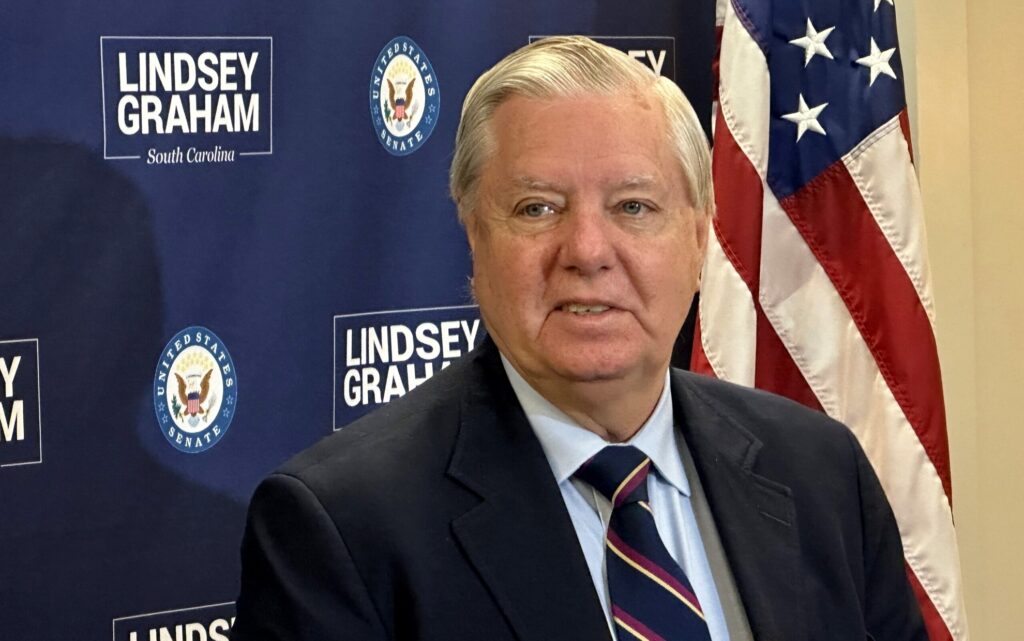
In a move reflecting a rising trend within the US Congress, Republican Senator of South Carolina, Lindsey Graham has announced his intention to introduce new legislation aimed at imposing harsh sanctions on any government or group that targets Kurds in Syria.
This threat comes at a pivotal moment in profound transformations in northeast Syria that have redrawn the map of alliances and influence in the region.
The Rescue the Kurds bill Main content: Tough sanctions targeting governments and groups that attack the Kurds; Symbolic designation: Graham called it the Kurdish Rescue Act.
Expected support: The senator confirmed that the bill will have strong bipartisan support.
The motives for the initiative: Graham wrote on X that he is following with grave concern the deterioration of the situation in Syria, arguing that the Kurds face a direct threat from the new Syrian government, which is allied with Türkiye.
Background of the shifts on the ground: The areas of northeastern Syria, which for years remained under the control of the Syria Democratic Forces (SDF), are undergoing significant changes after: Syrian government forces are advancing towards parts of these areas.
Damascus’s efforts to re-establish control over Syria’s entire geography.
Negotiations to merge the SDF and Syrian state institutions have stalled.
Core US Concerns:
- Loss of a strategic ally: Graham described the Kurds as the main ally in destroying ISIS, warning that abandoning them would be disastrous for the reputation of the United States and its national security interests.
- Concrete security concerns: The return of ISIS, as with the decline of the SDF’s influence, fears have emerged of a security vacuum that allows the terrorist organization to resume its activity.
ISIS Detainees issue: The SDF has taken over the guarding of dozens of prisons and camps housing thousands of ISIS fighters and their families.
The transfer process is underway: US Central Command has begun transferring thousands of ISIS detainees from Syria to Iraq in recognition of the fragility of the situation.
Graham’s arguments: History Lessons, as the senator linked his position to previous historical experiences:
The Benghazi Experience: He referred to the previous abandonment of allies in Libya, describing it as a grave mistake, considering that a repeat of the scenario with the Kurds would be a double disaster.
Graham warned that “tolerating evil” leads to strategic disasters, stressing that standing with allies who have sacrificed for common causes with the United States is the right decision.
Graham believes that abandoning the Kurds would undermine any future partner’s confidence in the United States, affecting its ability to build alliances in other conflict zones.
The broader political context is divided within the US establishment, as Graham’s remarks reveal two opposing trends within Washington:
- The direction of the executive administration (government): The orientation to work with the Syrian state as a unified entity.
Rearranging the relationship with Damascus within a new approach.
Not to directly impede the Syrian military advance in the Kurdish areas.
- Legislative direction: Pressure not to sacrifice an old ally without security guarantees; Use the weapon of sanctions as a tool of pressure; Demand a political consensus among local Syrian parties.
Its noteworthy that the non-targeting of minorities was among the previously announced US conditions for the lifting of sanctions on Syria, making the Graham bill a logical extension of this position.
Potential repercussions A double leverage: if passed, the law could become: Pressure card on Damascus: to prevent military control of Kurdish areas.
A message to regional allies: especially Türkiye, which seeks to dismantle the SDF’s military structure.
A guarantee of the security alternative: not to end the existence of the SDF without a clear security alternative.
Graham expressed his confidence that US President Donald Trump will make the right decision, putting the case to the real test of the current administration.
A new Kurdish card in the Syria game represents more than just a bill, it reflects an internal political battle in Washington over the future of Syrian politics.
There is real security concern about the return of ISIS in light of the transformations on the ground.
An attempt to maintain a pressure card in which the Kurdish bloc has become a pivotal element.
The move remains part of a multi-level legislative and political push aimed at ensuring that any political or military settlement in Syria doesn’t lead to demographic or security change that threatens the Kurdish presence, or opens the door to the return of terrorist threats that have cost the United States and its allies so much over the past decade.