Reports: A plan to deport foreign fighters in Syria to Afghanistan and African countries
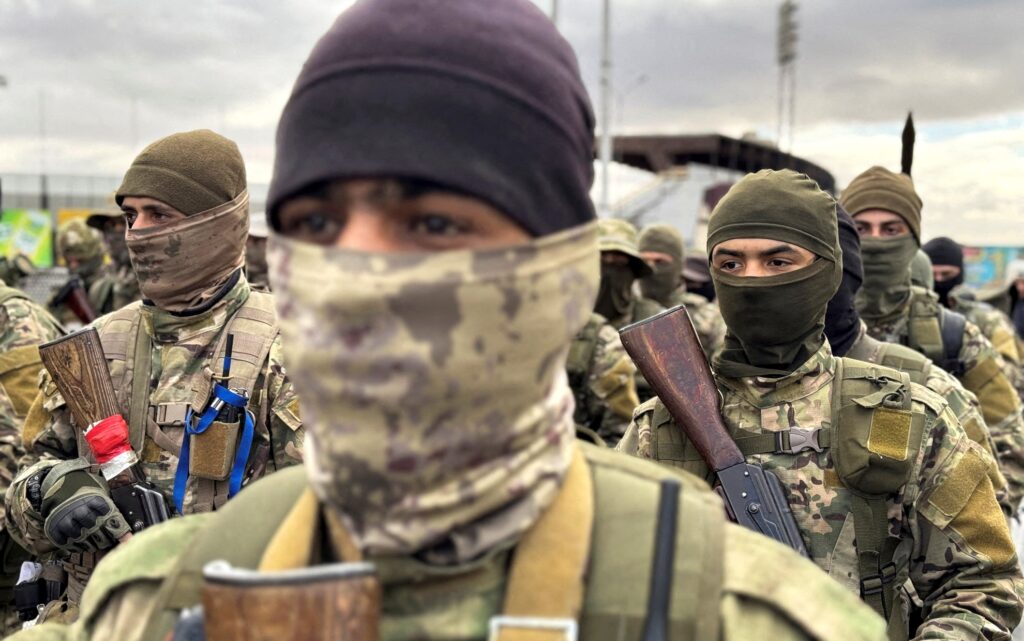
According to a source familiar with Syria’s military decision-making circles revealed that authorities in Damascus are developing a new plan aimed at removing foreign fighters from the country.
The source, who requested anonymity, explained that the plan includes offering financial incentives to these fighters, in addition to providing them with alternative destinations in several countries, some of which are located in Africa.
These movements are linked to international concerns about the continued presence of foreign fighters on Syrian soil.
Security assessments indicate that the groups to which they belong may seek to replicate their combat experience in other countries, including their countries of origin in Asia, Europe, and North Africa.
The plan follows steps announced by the Syrian government to integrate some foreign fighters into the new Syrian army and reorganize their status.
However, the issue remains a significant obstacle to Damascus’s efforts to normalize relations with Israel.
It’s also a sensitive domestic issue, with growing demands for a radical solution amid reports of violations and groups escaping control, including the seizure of private property belonging to minorities, particularly in Damascus and coastal cities.
According to Western estimates, the number of foreign fighters ranges between 10,000 and 12,000, representing approximately 10 to 20 percent of the forces that participated in the overthrow of the Syrian regime in late 2024.
Although this percentage appears limited in number, its danger lies in the nature of these fighters, who possess more extremist ideological backgrounds and extensive combat experience after nearly a decade of fighting in Syria.
Their influx was greatest during the early years of the war, before declining significantly after 2014, with the rise of ISIS and the tightening of international controls on travel to Syria and Iraq.
Throughout this period, they maintained their organizational cohesion, while regional and tribal divisions remained prominent among other Syrian formations.