New powers gain by German intelligence to counter cyber attacks
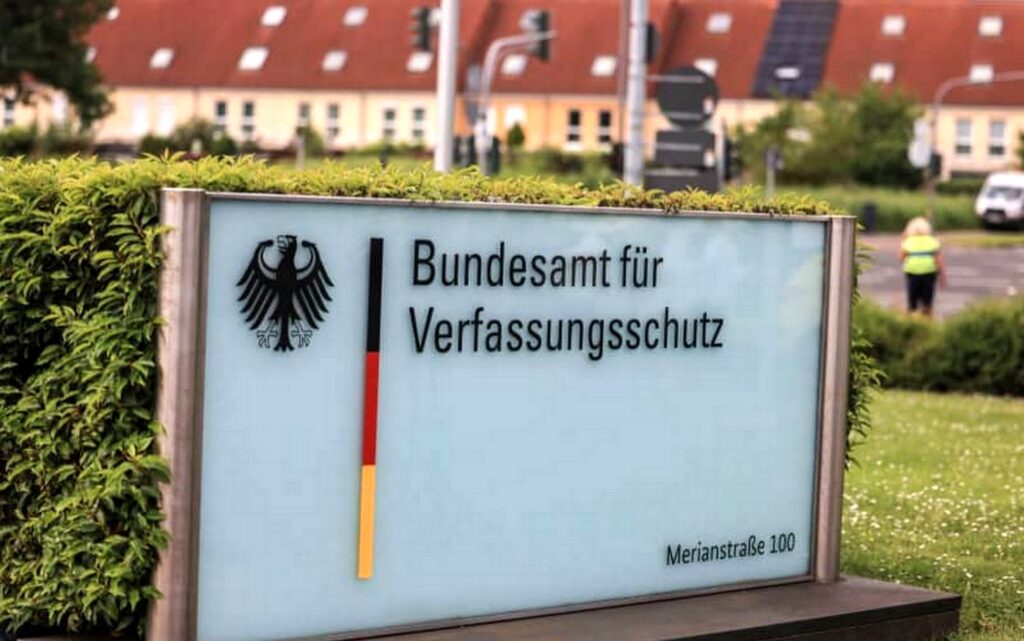
Germany’s domestic intelligence agency, also known as the “Constitutional Protection Commission”, has said that the latter’s powers will be strengthened to include enabling the security service, in the event of a cyber-attack, not only to monitor and understand what a foreign intelligence service is planning, but also to disrupt the attack or manipulate the means of its execution.
German Interior Minister Alexander Dobrant has repeatedly stressed in recent weeks that the Office for the Protection of the Constitution should become a real intelligence service.
The German Interior Ministry is also counting on the establishment of a joint center to counter hybrid threats, where in the future intelligence services will share information with police authorities at the federal and state levels, as well as electricity grid operators and other major facilities, with the possibility of the German military joining when needed.
The center builds on similar cooperation platforms already in place, such as those for sharing information about potentially dangerous Islamists.
However, classified information is likely not to be shared if there are representatives of the economic sector, as they aren’t subject to the same vetting procedures as security service personnel.
Hybrid warfare is a combination of military, economic, intelligence, and propaganda means, through which public opinion can also be influenced.
These include state-run cyberattacks, such as Russia that is currently, according to the report, the most active in this area.
The Federal Office for the Protection of the Constitution is also monitoring Iran, which isn’t content with spying on its citizens inside Germany.
Germany’s domestic intelligence also views China as also very active in cyberspace, and sees it as keen to carry out espionage operations without being detected.
In the security community, it believed that the risks would be easier to contain if more information was passed on to the police in the future.
There are also perceptions that the Federal Office for the Protection of the Constitution will reveal more about ongoing methods and processes, in order to slow down some actors.
This is already happening on a limited basis, such as the recent warning of phishing attacks via the messaging service Signal or in the dissemination of information about technology theft by China.