Israeli Defense Minister: Israel doesn’t intend to remain permanently in the Gaza Strip and open to discuss alternatives regarding who will control it
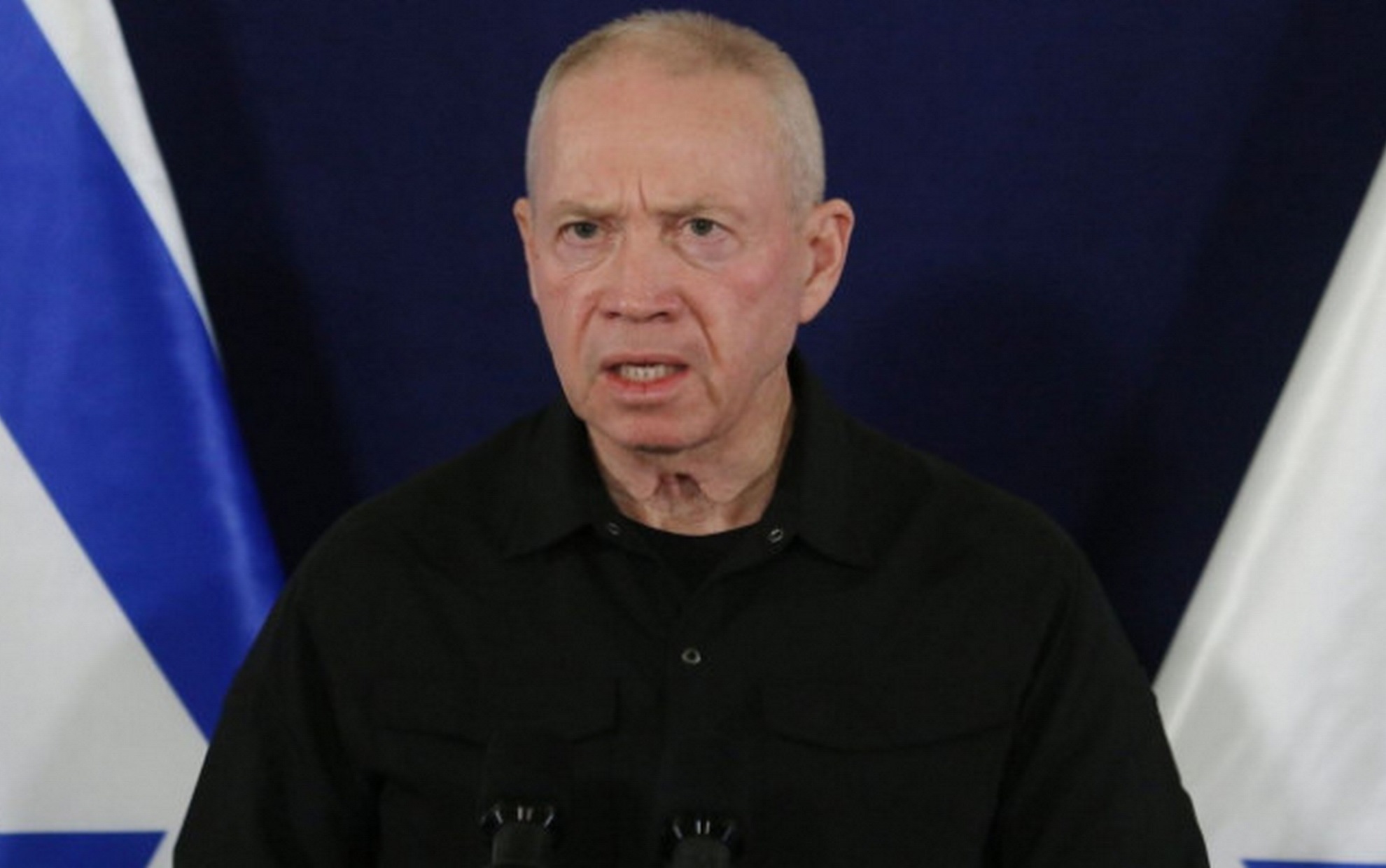
Israeli Defense Minister Yoav Galant said on Monday that Israel doesn’t intend to remain permanently in the Gaza Strip and that it is open to discussing alternatives regarding who will control the Strip as long as it’s not from groups hostile to Israel.
Gallant added that Israel is also open to the possibility of reaching an agreement with the Iranian-backed Lebanese Hezbollah group, provided that this agreement includes a safe zone on the border and appropriate guarantees.
Gallant added to reporters, “Israel will take any measure to destroy Hamas, but we have no intention of always remaining in the Gaza Strip”.
More than two months after the Hamas attack on October 7 that sparked the war, and more than a month after Israel launched its ground offensive, Gallant said important progress had been made, especially in northern Gaza, where things were getting closer from the decisive point.
He said that Israel is open to discussing alternatives about who might control Gaza after the war.
He continued, “The basic condition is that this body, which will control the Gaza Strip doesn’t act with hostility towards the State of Israel… All the rest, in my opinion, can be discussed… It certainly won’t be Hamas, and it won’t be Israel either… We’ll maintain our freedom of movement and action militarily against any threat”.
In a clear shift in strategy, at least publicly, Gallant called on Hamas fighters and leaders to surrender, rather than kill.
“If you surrender, you can save your life… If you don’t surrender, your fate is sealed,” he said.
The Israeli military announced Monday that it had arrested more than 500 members of Hamas and the smaller Islamic Jihad movement so far in Gaza and transferred them to Israel for interrogation.
Gallant was also asked about developments along the border with Lebanon, where Israel is fighting Hezbollah, and he said Hezbollah should pay attention to what Israel is doing in Gaza.
Regarding Hezbollah, Gallant added, “If Hezbollah allows an agreement process, I won’t go into its details now, but it’s clear that it must include a situation in which there is a safe distance from our fence for forces that could fire on Israeli territory or forces that might carry out action inside Israel”.
“If it’s possible with appropriate safeguards, we can talk about it,” he said.