Iran responds to the final draft text of the European Union to save the nuclear agreement and calls on the US for flexibility to solve the remaining three issues
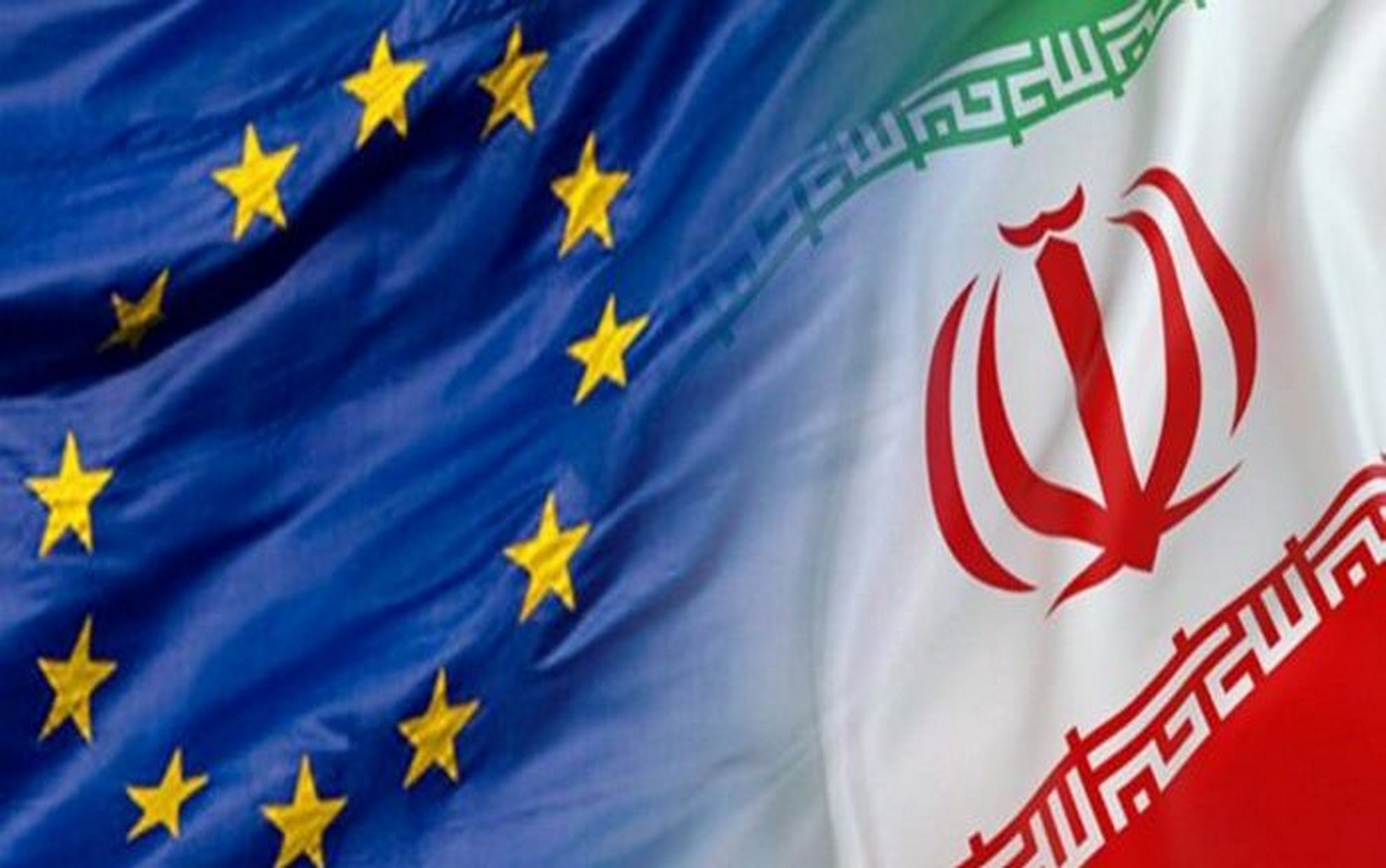
Iran responded on Monday to the EU’s final draft text to save the 2015 nuclear deal, an EU official said, while its foreign minister, Hossein Amir Abdollahian, called on the United States to show flexibility to resolve three remaining issues.
After 16 months of intermittent and indirect talks between the United States and Iran, with the European Union shuttling between the two sides, a senior EU official said on August 8 that the bloc had made a “final” offer and expected a response within “a very few weeks”.
While Washington said it was ready to conclude a deal quickly to revive the 2015 deal based on EU proposals, Iranian negotiators said they would later convey additional proposals and visions to the EU.
The EU official did not give details on Monday about Iran’s response to the text.
“There are three issues, if they are resolved, we can reach an agreement in the coming days,” the Iranian foreign minister said, noting that Tehran’s response would not be a final acceptance or rejection of the EU proposal.
“We told them that our red lines must be respected… We showed them a lot of flexibility… We don’t want to reach an agreement that fails to be implemented on the ground after 40 days, two months or three months,” he added.
The US State Department said on Monday that the only way to revive the Iran nuclear deal was for Tehran to abandon its external demands, apparently in reference to demands that the International Atomic Energy Agency close an investigation into the discovery of uranium traces at a site in Iran, and name the Revolutionary Guards in Iran off the US terrorism list.
Diplomats, analysts and officials told Reuters that whether or not Tehran and Washington accept the ultimate offer from the European Union to revive the 2015 Iran nuclear deal, it is unlikely that either of them will announce its cancellation because keeping it is in the interests of both parties.
“The coming days are very important” to see if the United States will show flexibility on the three remaining issues, Amir Abdollahian said.
“It won’t be the end of the world if they don’t show flexibility… Then we will need more efforts and talks… to resolve the remaining issues,” he added.
“Like Washington, we have our plan B if talks fail,” he said.
The indirect talks in Vienna collapsed due to obstacles, including Tehran’s demand that Washington provide guarantees that no US president would abandon the agreement, as former US President Donald Trump did.
Biden cannot make such a pledge because the nuclear deal is a non-binding political understanding rather than a legally binding treaty.