Europe discloses alternatives to Russian gas
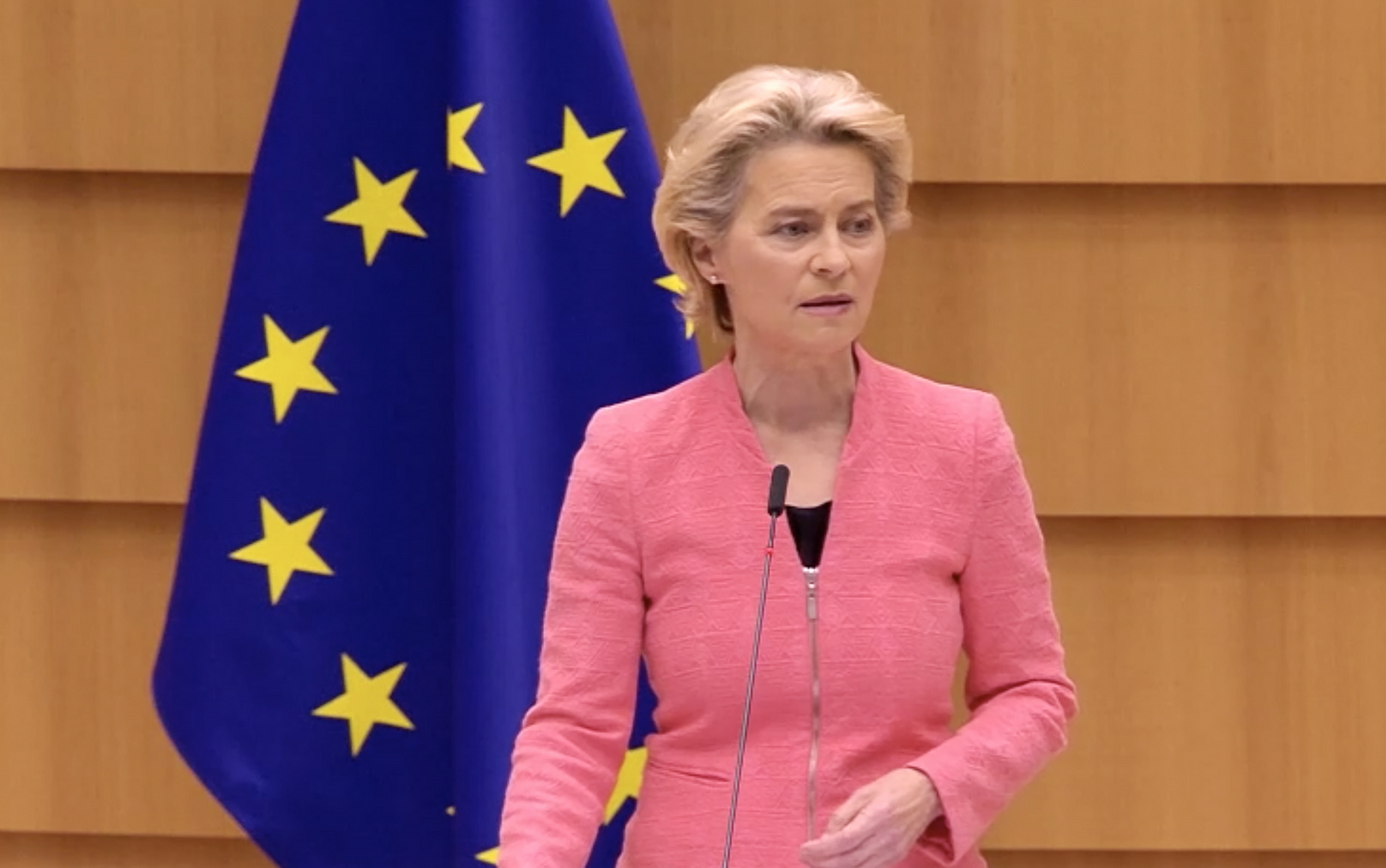
European Commission President Ursula von der Leyen called Russia an “unreliable country” and accused it of manipulating energy markets, adding that EU countries had the ability to make up for the lack of Russian gas supplies from other sources.
The Chairperson of the Commission gave an example of countries that could be an alternative to Russia, with: “Norway, Algeria and the United States,” noting that gas imports from Norway alone are currently exceeding Russian imports.
This came after Russia decided, at the last minute, not to resume pumping gas through “Nord Stream 1” on Saturday, 3 days after stopping it for maintenance.
The Russians claimed that the failure to pump gas was due to an “oil leak in a turbine”.
The suspension of supplies coincided with the announcement of the Group of Seven finance ministers to set a ceiling on Russian oil and gas prices.
European countries have confirmed that they will set a ceiling on gas prices, a move that the West is seeking in order to deprive Russia of some of the revenue from energy exports.
The President of the European Commission said, in a press conference on Wednesday, that the rise in energy prices is due to the lack of alternatives available to Russian gas, and that prices require the development of thoughtful plans for alternatives, such as nuclear reactors.
In turn, Russian President Vladimir Putin described the proposal to put a ceiling on Russian gas prices as a “stupid move” and would lead to higher prices.
This comes at a time when Europe is suffering from the worst energy crisis in nearly 50 years, due to what its sanctions have led to a Russian measure to reduce deliveries, and has practically led to higher prices, exacerbating the global cost of living crisis and pushing many economies to the edge of recession.
The short and medium term answer is definitely No.
Bloomberg network quoted Western sources as saying that the gas shortage in Europe will continue until 2025 at the least.
Bloomberg warned that the loss of Russian natural gas supplies will deplete the reserves of the old continent at a faster pace when the temperature drops in the coming months, which will make preparing for the heating seasons next year more difficult.
It quoted energy executives as saying that “with the lack of a quick solution, the crisis is likely to continue until at least 2025,” while Nick Den Hollander, chief commercial officer of German energy giant Uniper SE, noted.
He suggested that Europe could face a bigger problem next winter, as countries may not be able to fill their tanks with sufficient quantities next summer.
Europe will also have to wait until later in the decade before it sees any relief from rising natural gas prices, according to Citigroup Inc, whose head of commodity research said, according to Bloomberg, that “sometime between 2025 and 2027 we will see prices in Europe return to what they were at the beginning of 2021,” because it will take time to replace the missing natural gas from Russia.
Experts fear that the Eurozone will fall into the trap of stagflation (prices continue to rise and the economy is in a state of depression) in the coming months, as households and companies reduce energy use severely affecting the euro, which fell almost 13% after it was at $1.137 levels at the beginning of the current year 2022.