EU: New partnership with Syria and amending sanctions
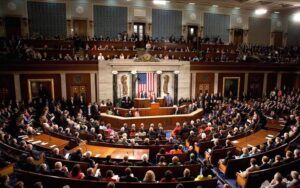
The meeting of the European Union’s Foreign Affairs Council last Tuesday witnessed a pivotal milestone in the assessment of the Syrian issue, as the continent’s foreign ministers met to discuss the prospects of cooperation a full year after the fall of the former regime, in an attempt to develop a roadmap that supports stability in the Middle East.
The EU Mission, through its official account, reported that discussions focused on ways to support the transition, with a focus on three main axes: governance, security, and trade.
Developing the sanctions regime: The European ministers agreed to review and amend the structure of European sanctions to suit the new Syrian reality, ensuring that development and stabilization efforts aren’t hindered.
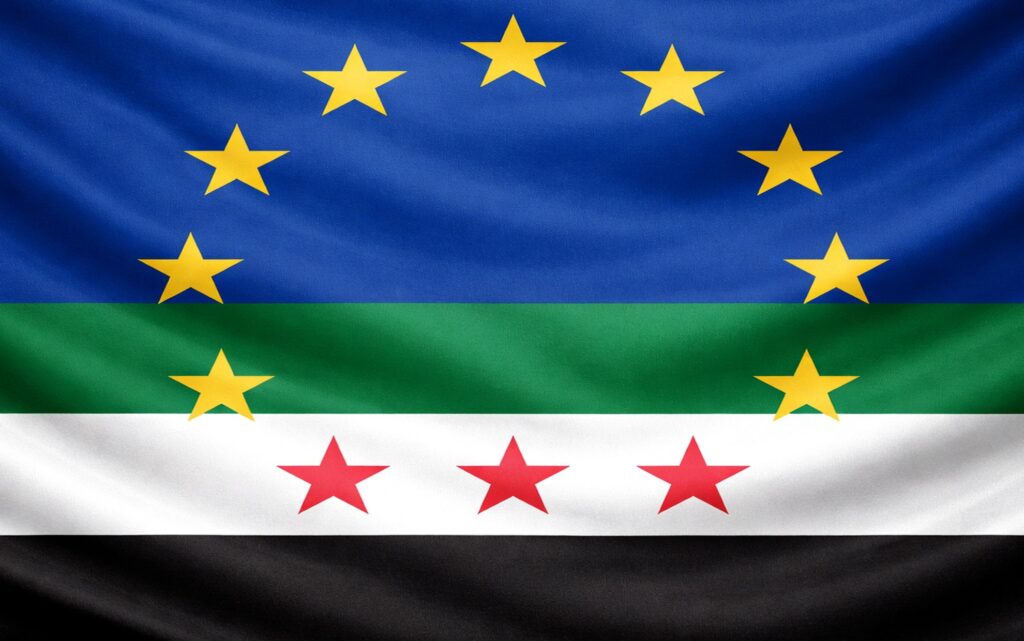
New Political Partnership: The Council announced the Union’s intention to move forward with the formulation of an innovative political partnership that keeps pace with the requirements of the current stage and the aspirations of Syrians.
In statements she described as essential, the Commissioner for Foreign and Security Policy, Kaja Kallas, confirmed that the European Union has prepared a special and sensitive working document to deal with the Syrian issue.
Kallas explained that Syria’s stability isn’t just a regional matter, but a direct European interest.
Objectives of the new European document:
Institution building: Providing technical support for the restructuring of state institutions.
Political inclusiveness: Ensure the participation of all segments of Syrian society in decision-making.
Prevention of regression: Providing mechanisms to prevent the deviation of the transitional path or the return of hotbeds of tension and terrorism.
In conjunction with the large financial pledges committed by the Brussels Conference (€2.5 billion for 2025-2026), the European position on conditional linkage remains unchanged.
According to official statements, the reconstruction file remains closely linked to:
- Tangible progress in the political transition.
- Promote the rule of law and respect for human rights.
- The operation should be Syrian-led and owned under the umbrella of the United Nations.
Meanwhile, Europe is currently seeking to move from the stage of crisis management to the stage of building partnership, while maintaining its role as a donor and observer to ensure that Syria doesn’t return to square one of instability.