AP: Satellite images reveals what Israel targeted in its attack on Iran
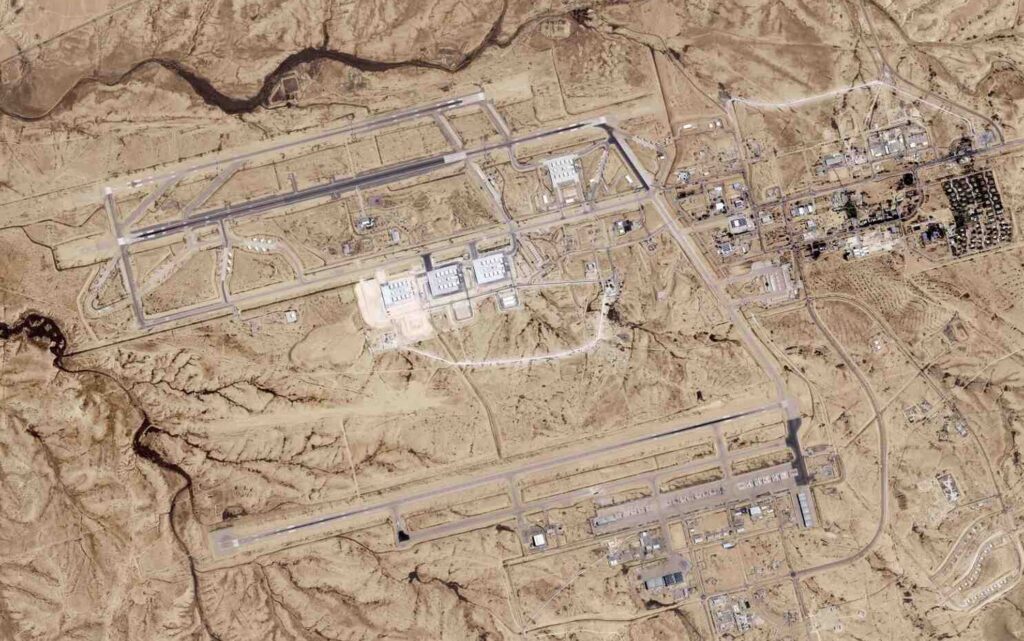
Satellite images analyzed by the Associated Press show damage to secret military facilities in Iran following Israeli strikes targeting sites linked to Iran’s nuclear and missile programs.
The damage from the Israeli strikes was concentrated on the Parchin military base near the capital, Tehran, where previous reports indicate the site is being used for tests that could support the development of a nuclear weapon, as well as the Khojir base, which is believed to contain tunnels and missile manufacturing facilities.
Iran hasn’t officially acknowledged any damage to the bases, but said four air defense soldiers were killed in the attack. Iranian Supreme Leader Ali Khamenei said “the Israeli attack should neither be exaggerated nor downplayed,” without mentioning an immediate response. Israeli Prime Minister Benjamin Netanyahu said the attack achieved all its goals.
The damage from the strikes was spread across three Iranian provinces, with the number of sites targeted not yet known.
However, Iran announced that the attacks affected facilities in the provinces of Ilam, Khuzestan and Tehran.
Satellite images showed fires in gas fields in the Tang-e Bijar area of Ilam province, although the direct connection between these fires and the attack is not clear.
At Parchin, 40 kilometers (25 miles) southeast of Tehran, the images showed extensive damage to a building known as Taleghan 2, which is believed to house an explosives test chamber that could be used in nuclear weapon simulations. Images from Khojir, 20 kilometers (12 miles) from Tehran, also showed damage to facilities believed to be used by Iran to manufacture solid missile fuel.
The Institute for Science and International Security, headed by nuclear expert David Albright, noted that the destroyed building at Parchin was being used to test explosives that could potentially contribute to the development of a nuclear weapon.
The institute documented, through the Iranian nuclear archive, previously captured by Israel, the existence of a small explosives and X-ray test chamber intended to examine the effects of explosives on natural uranium cores, supporting the hypothesis of Tehran’s past nuclear activities.
Other buildings at the Parchin and Khojir bases were damaged, believed to contain industrial mixers used to make solid fuel for ballistic missiles.
The Israeli attack was intended to hamper Iran’s ability to produce new missiles.
The Israeli army said in a statement that the strike targeted “missile production facilities that Iran used in attacks on Israel over the past year”.
Iran’s Revolutionary Guard Corps, which is responsible for the missile program, reportedly remained silent following the Israeli strikes.
Former US Central Command chief Gen. Kenneth McKenzie estimated Iran’s missile arsenal at more than 3,000, but the recent strikes could hamper Tehran’s efforts to replenish its stockpile.
Videos also showed damage to a factory in the Shamsabad industrial city, south of the Iranian capital, near Imam Khomeini International Airport.
The footage confirmed that the factory belongs to the Teco company, which manufactures equipment for the oil and gas sector.