New York Times: With reports about the health of the Iranian leader… expectations of his son to succeed him
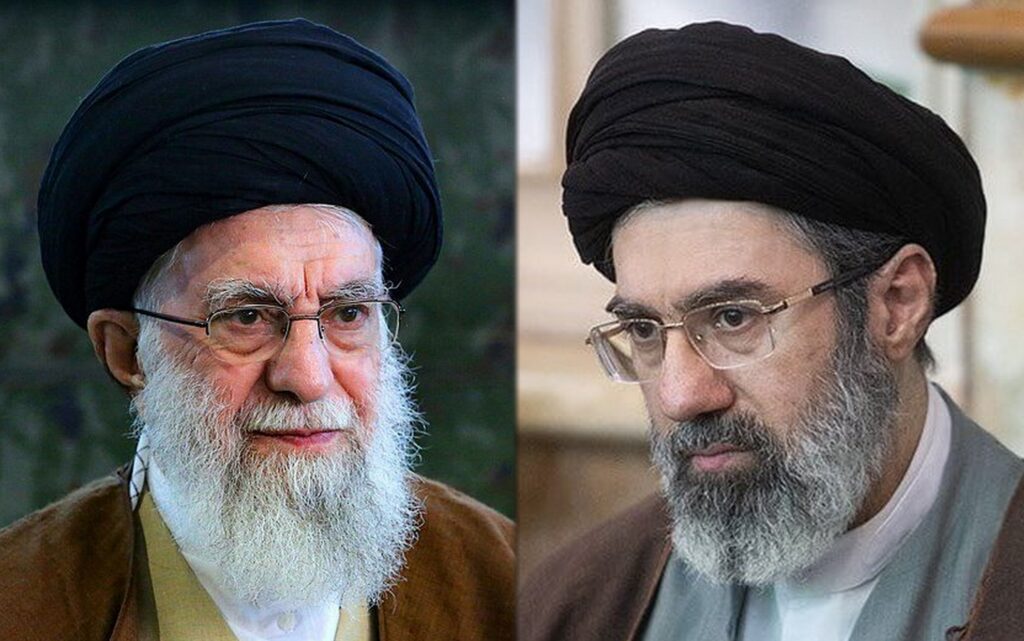
Khamenei suffers from a serious illness, the New York Times reported that there is an internal struggle over the issue of succession in Iran, in light of the suffering of the Supreme Leader, Ayatollah Ali Khamenei, from a serious illness.
Khamenei, who has led the country since 1989, has broad powers that include control over the army and the judiciary.
The New York Times pointed out that the death of former Iranian President, Ebrahim Raisi, raised growing concerns about the possibility of appointing Mojtaba Khamenei, the second son of the leader, as his successor.
Mojtaba is a relatively mysterious figure in Iranian politics, and has strong influence behind the scenes, as he has close ties to the Revolutionary Guard.
He studied at the University of Tehran and specialized in religious studies in the city of Qom, which is the center of Shiite education in the country.
According to Western intelligence sources, Mojtaba Khamenei has played a pivotal role alongside his father in recent years, and has great influence on vital issues such as the nuclear program and relations with factions allied with Iran in the Middle East.
Mojtaba is known for his affiliation with the most hardline conservative movement, making him an extension of his father’s strict policies towards the West and Israel.
The New York Times added that the Revolutionary Guard, which is considered one of the influential forces in Iran, may play a decisive role in determining Khamenei’s successor, as it’s known for its hardline tendencies, especially towards Israel.
Intelligence assessments and research in the Middle East show that Mojtaba Khamenei, if he takes over, may push Iran towards more stringent policies in the region.
However, there is strong opposition from reformist circles inside Iran to the idea of inheriting power within the Khamenei family.
US State Department reports expect that the dispute over the succession may exacerbate internal tensions in Iran.