An anti-inflation aid plan: Germany approves 65 billion euros aid plan
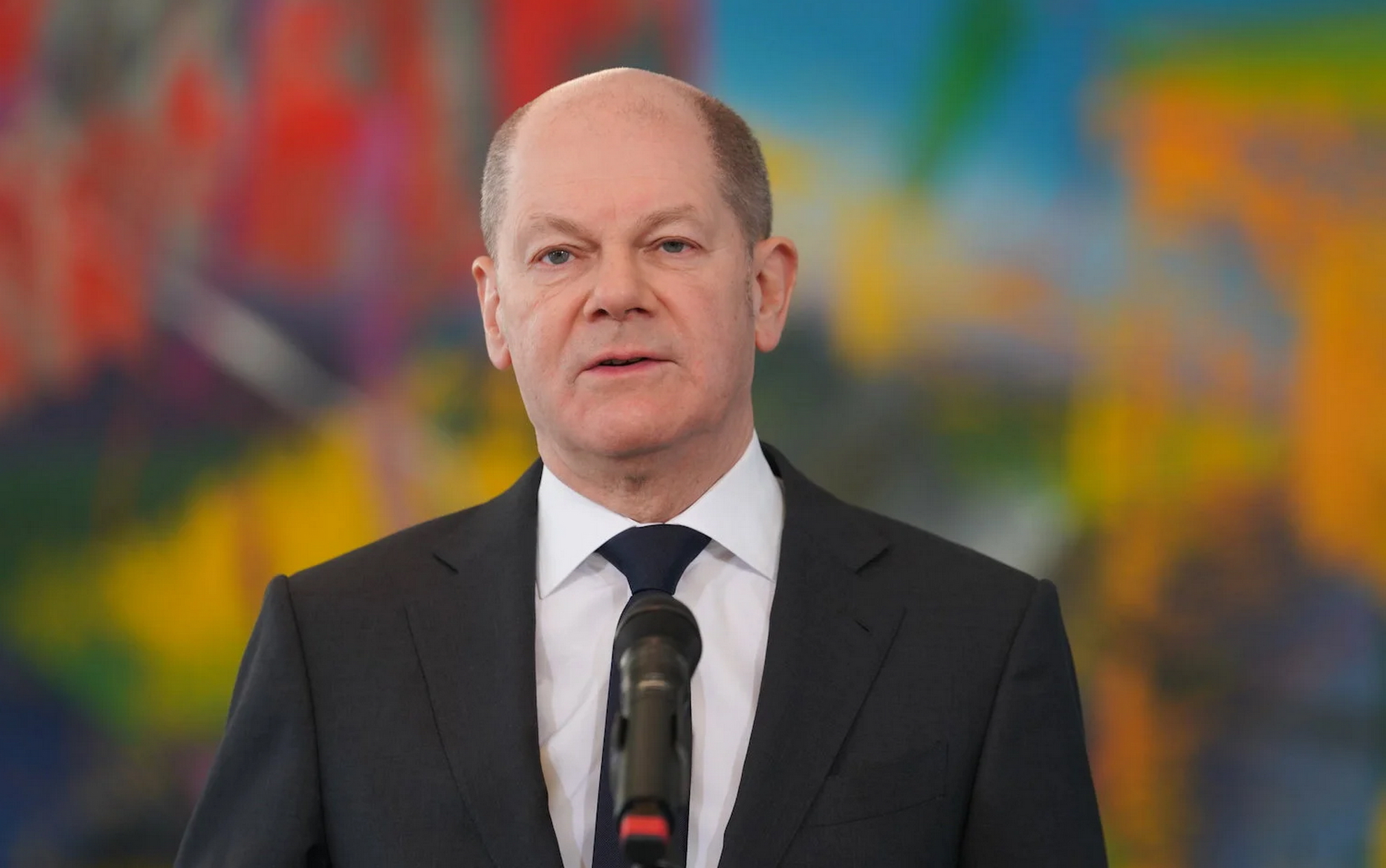
The German government on Sunday unveiled a multi-billion-euro plan to ease the financial burden of families amid falling Russian gas supplies and rising energy bills, and said it was considering using part of the extraordinary profits made by energy companies to support the financing of the plan.
German businesses and consumers are feeling the brunt of rising energy prices as Europe’s largest economy seeks to stop relying on Russian supplies in the wake of Moscow’s invasion of Ukraine.
Quick measures in preparation for the cold winter will ensure that Germany is “capable of facing this winter,” German Chancellor Olaf Scholz announced during the unveiling of the 65 billion euro ($65 billion) aid package.
The latest plan raises the total amount of aid since the start of the Russian war on Ukraine to 100 billion euros.
It was reached after discussions that lasted from Saturday night until Sunday, in which a three-party government coalition comprising the Social Democrats led by Scholz, the Green Party and the Free Democratic Party (liberal).
The terms of the latest anti-inflation plan include a one-time payment to millions of vulnerable retirees and a plan to use a portion of the energy companies’ extraordinary profits.
The latest government aid package comes two days after Russian energy giant Gazprom said it would not resume gas supplies through the Nord Stream 1 pipeline on Saturday as planned after three days of maintenance work.
Scholz said the government had taken “timely decisions” to avert a winter crisis, including filling gas tanks and restarting coal-fired power facilities.
However, proactive measures, including a campaign to reduce consumption, didn’t contribute much to curbing the large rise in household bills.
The announcement comes on the heels of two previous aid packages totaling 30 billion euros, which included tax cuts on gasoline and massive subsidies for transport tickets.
With many of these measures expiring at the end of August and energy prices continuing to rise, the government faced pressure to provide new assistance.
Inflation rose again to 7.9% in August, after falling for two months on the impact of the repercussions of government aid measures.
Higher energy prices are expected to push inflation in Germany to around 10% by the end of the year, the highest rate in decades.
However, Scholz said that not everyone suffers from high consumer prices.
Some energy companies that may not be using gas to generate electricity “take advantage of the fact that high gas prices determine the price of electricity and thus make a lot of money”.
“Therefore, we decided to change the regulation of the market in a way that prevents these random profits from being realized again or part of them being withdrawn,” he added.
The government said in the document that withdrawing part of the windfall profits would create “financial space to be used specifically to relieve the burden on consumers in Europe”.
Finance Minister Christian Lindner said at the press conference that this step could generate “tens of billions of euros”.
The government said it would work to implement the plan across the European Union, adding at the same time that it was ready to be implemented at the national level.
Economy Minister Robert Habeck noted in a statement that energy companies were making “fantastic sums” under the current system.
Brussels had announced on Monday that it would study “emergency” measures to reform the electricity market and control prices.
Scholz said he expected the European Union to “deal quickly” with the issue, adding, “It is very clear that we need rapid changes in this area”.
Repeating his mantra that Germans “Won’t walk alone” in the energy crisis, the chancellor unveiled a raft of measures including a one-time €300 payment to millions of retirees to help them pay high energy bills.
The government will also include students in one-time payments of 200 euros, and will cover the cost of heating for people receiving housing assistance.
Berlin has allocated 1.5 billion euros to prepare an alternative to the nine-euro monthly ticket on local and inter-regional transport networks.
Lindner said that the relief package as a whole will be funded without planning to borrow additional funds.
“These measures are included in the government’s current budget plans” for 2022 and 2023, with the rest covered by the extraordinary earnings measures for energy companies, he added.