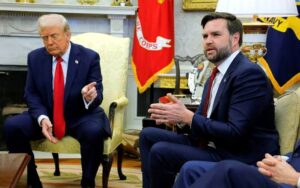
A third round of nuclear talks between Iran and the US begins in Muscat
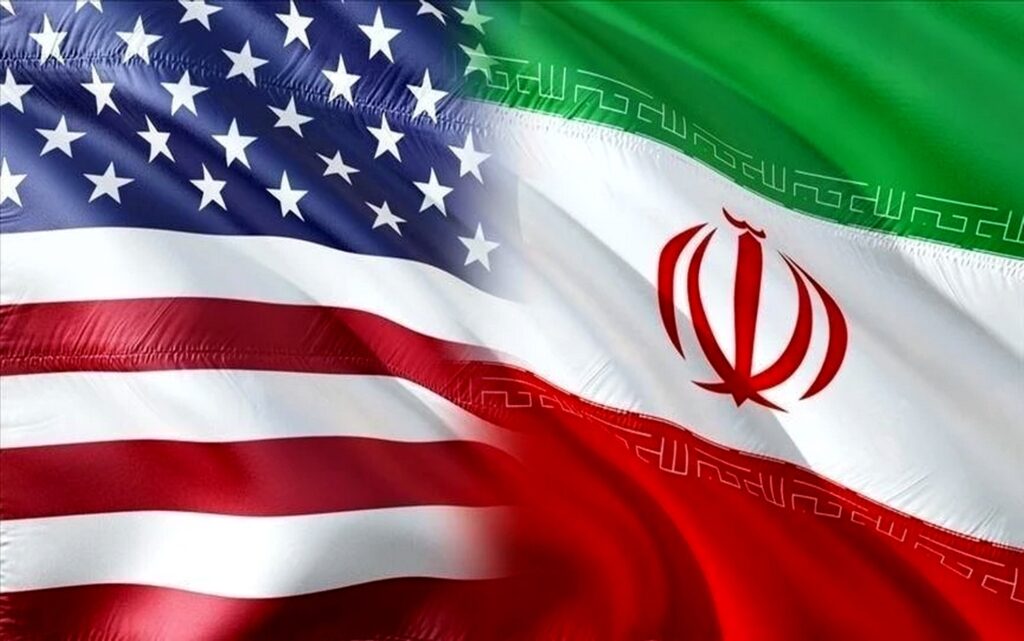
The United States and Iran are scheduled to meet in Oman on Saturday for a third round of talks on Tehran’s nuclear program, after both sides announced progress in recent meetings in Rome.
These meetings, mediated by Oman, follow two previous rounds of indirect negotiations, the first of which was held on April 12 in Muscat, and the second on April 19 in Rome.
This marks the highest level of communication between the two rivals since US President Donald Trump unilaterally withdrew his country in 2018 from the 2015 nuclear agreement between Iran and major powers.
The talks will be led by Iranian Foreign Minister Abbas Araghchi and US Middle East envoy Steve Witkoff.
Both the United States and Iran will also hold a technical meeting at the expert level.
The meetings won’t be held simultaneously, with technical talks to be held first, followed by high-level negotiations, according to Iranian state television.
Iran and the United States, which haven’t had diplomatic relations since 1980, described the round of negotiations held last Saturday at the Omani ambassador’s residence in Rome as having resulted in progress, as Iranian officials says that the meeting was good.
From their part, the Omani Foreign Ministry stated that the Rome meetings resulted in the parties’ agreement to move to the next stage of negotiations aimed at reaching a fair, permanent, and binding agreement that guarantees Iran’s complete freedom from nuclear weapons and the complete lifting of sanctions, while preserving its right to develop nuclear energy for peaceful purposes.
Western countries, including the United States, have long accused Iran of seeking to develop nuclear weapons, a claim Tehran consistently denies, insisting that its nuclear program is for peaceful, civilian purposes only.
This week, Araghchi reiterated Iran’s position, saying, “If the United States’ only demand is that Iran not possess nuclear weapons, then this demand is achievable,” adding, “If they have other demands, or demands that are impractical or illogical, then we will naturally face problems”.
Iran currently enriches uranium to up to 60%, well above the 3.67% limit stipulated in the agreement, but still below the 90% threshold required for military use.
On Thursday, Araghchi described relations with Britain, France, and Germany as deteriorating, following several rounds of nuclear talks that preceded the US meetings.
However, he expressed his willingness to visit those countries to discuss his country’s nuclear program and areas of mutual interest and concern.
“After recent consultations in Moscow and Beijing, I am ready to take the first step with visits to Paris, Berlin, and London,” Araghchi wrote on X.