A 90 minute phone call between Scholz and Putin
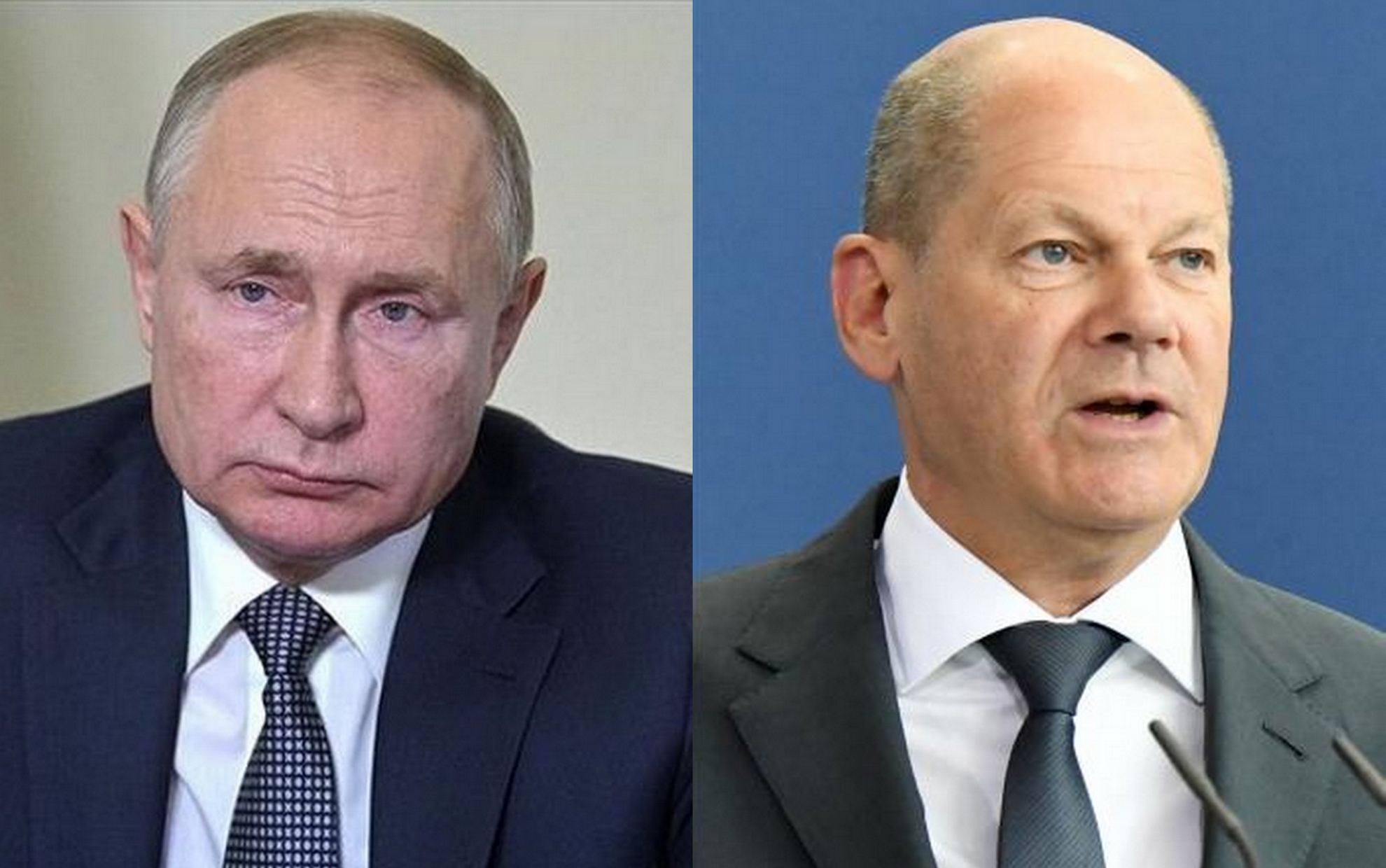
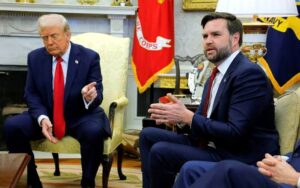
The German Chancellor Olaf Scholz on Tuesday called on Russian President Vladimir Putin to order the “complete withdrawal” of Russian forces from Ukraine.
In his conversation with the Russian president, Scholz stressed “to find a diplomatic solution as quickly as possible based on a ceasefire, a complete withdrawal of Russian forces and respect for Ukraine’s territorial integrity and sovereignty,” the chancellery said in a statement.
Scholz also asked Putin to fully implement Ukraine’s grain export agreement.
And in view of the difficulties that the Russian army is facing on the ground, the German chancellor stressed that “possible new Russian annexation measures will not remain unanswered and won’t be recognized in any way”.
The advisor also asked Putin to “treat captured fighters in accordance with international humanitarian law, particularly the Geneva Conventions, and to ensure the ICRC’s unobstructed access,” as stated in the statement issued by the Chancellery.
The two officials also discussed the situation around the Zaporizhia nuclear plant and “agreed to maintain contact”.
The advisor stressed “the need to ensure the safety of the nuclear power plant”.
In this context, he called for “avoiding any escalation and immediately implementing the measures recommended by the International Atomic Energy Agency’s report”.
Scholz asked the Russian president to implement the Ukrainian grain export agreement in full and not to retract it.
Putin intends to talk to his Turkish counterpart Recep Tayyip Erdogan about this agreement, which Moscow is protesting more and more, and which allows Ukraine to export its grain, the Kremlin said Friday.
The Kremlin confirmed a phone call between Russian President Vladimir Putin and German Chancellor Olaf Scholz on Tuesday.
The Kremlin stated that Putin drew Scholz’s attention during the call to the blatant violations committed by the Ukrainians of international humanitarian law, noting that Putin said that the Ukrainian army was bombing cities in the Donbas region and killing civilians there.
With regard to the file of gas supplies, the Kremlin said that Putin confirmed that Russia is a reliable supplier, adding that Western sanctions have impeded the regular maintenance of the Nord Stream 1 pipeline.
It should be noted that Berlin has repeatedly declared that it considers this reason to be just a pretext to stop supplies of Russian gas through the pipeline.
Putin added that the Ukrainians bear responsibility for the danger to the Zaporizhia nuclear plant because of their continued bombing of the plant.
German government spokesman Steffen Hebestreit announced earlier this evening that Scholz and Putin had made a phone call for the first time in several weeks.
The last time Scholz had a phone call with Putin was at the end of last May, and this call took place at the time with the participation of French President Emmanuel Macron.
Since this last contact, there have been other tragic developments in the war zone.
According to statements issued by the German government, the phone call that took place today also touched on the situation at the Zaporizhia nuclear plant, and Hebestreit said that Scholz stressed the need for Russia to guarantee the security of the nuclear plant occupied by Russian forces.
Hebestreit added that Scholz also called on Putin to avoid any step of escalation and also demanded the immediate implementation of all measures recommended in the IAEA report.
Hebestreit added that the telephone conversation also dealt with the issue of the global situation of foodstuffs, which has been particularly strained by the Russian war on Ukraine.
Russia launched its war on Ukraine in late February, and the former Soviet Republic repelled the Russian attack with the help of Western support.
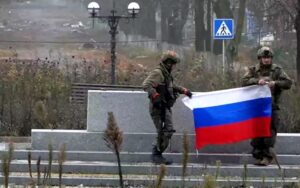
In the past few days, Ukrainian forces managed to regain large areas that had been occupied by Russian forces.
The agreement, which was concluded on July 22 in Istanbul, enabled the lifting of the ban on Ukrainian wheat and corn exports, which had been halted due to the Russian military attack, which raised the concern of importing countries and fears of a food crisis.