Syria and Iraq are discussing reviving the Kirkuk-Banias oil pipeline
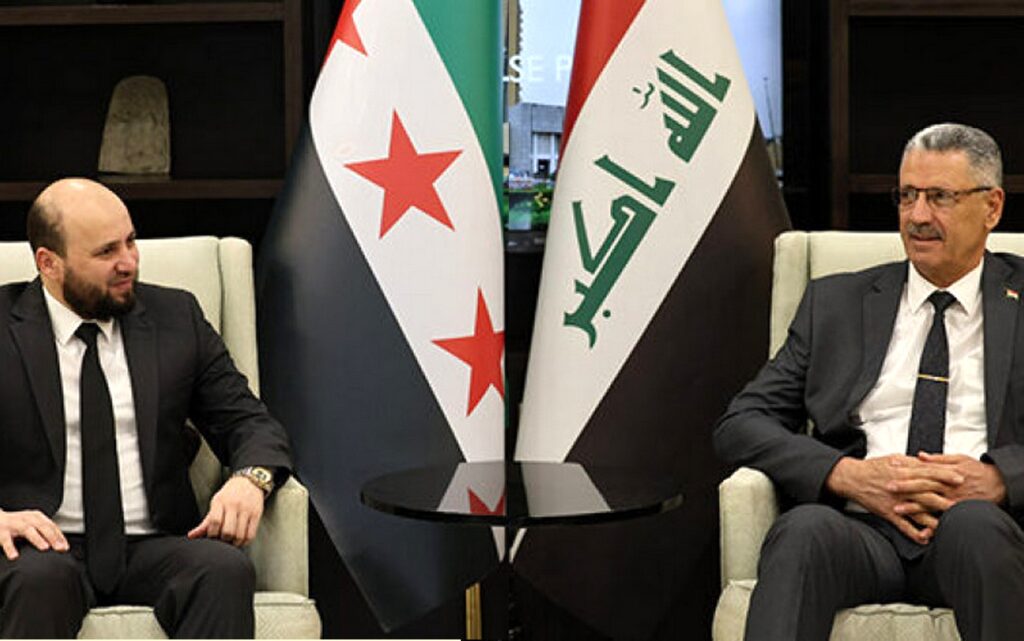
Syrian Energy Minister Mohammad al Bashir arrived in the Iraqi capital, Baghdad, on an official visit aimed at strengthening bilateral cooperation in the oil and energy sectors and discussing the rehabilitation and operation of the Kirkuk-Banias oil pipeline, which has been closed for more than 22 years.
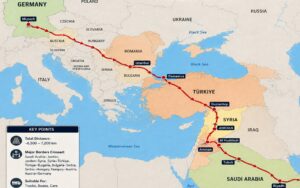
Kirkuk-Banias oil pipeline, which stretches approximately 800 kilometers, connects the oil fields in northern Iraq to the Syrian port of Baniyas on the Mediterranean.
It entered service in 1952 with a pumping capacity of 300,000 barrels per day, but has been completely out of service since 2003 due to damage caused by war and neglect.
The cost of rehabilitating and operating the line is estimated at between $300 and $600 million, making it a massive investment project that requires political consensus and a shared economic will between Damascus and Baghdad.
The Syrian minister announced via X that the talks will focus on enhancing integration in the energy sector, in addition to studying joint projects in other areas such as water resources.
The visit includes meetings with senior Iraqi officials to discuss mechanisms for restarting the pipeline and overcoming technical and logistical obstacles.
This step comes as part of Syria’s efforts to rebuild its regional energy partnerships after years of disruption due to war and sanctions.
The Syrian Ministry of Energy indicates that the restart of the pipeline will help secure stable supplies of crude oil, alleviate the country’s fuel crisis, and provide Iraq with an additional outlet for exporting its oil via the Mediterranean to European markets.
In previous statements, Mohammad al Bashir revealed that the rehabilitation of the Kirkuk-Banias pipeline will be part of a broader plan that includes the construction of a new oil refinery in Syria.
This plan aims to reduce reliance on imports, achieve self-sufficiency, and even transform the country into a partial exporter of petroleum products.
Despite its lofty ambitions, the project faces multiple challenges, most notably the need to secure infrastructure spanning areas experiencing security turmoil.
Western sanctions imposed on Syria could also hinder the participation of international companies in financing or implementation.
Therefore, Damascus and Baghdad are seeking potential regional partners to support the project.
Last April, Iraq sent a technical and economic delegation to Syria to conduct a comprehensive feasibility study, which included an assessment of the pipeline’s technical status, a cost calculation, and an analysis of the potential economic impacts on both countries.
It’s estimated that the reopening of the line could revitalize the transportation, maintenance, and engineering sectors, provide thousands of jobs, and generate significant financial returns if fully operational.
The project is also viewed as a strategic step toward rebuilding economic ties between Syria and Iraq after decades of tension and disruption.