Financial Times: Syria prepares to return to the SWIFT system and plans to issue sovereign bonds
Syria is preparing to fully reconnect to the SWIFT international financial transfer system within weeks, the Financial Times reported, marking the first step in a broader plan to reconnect the Syrian economy to global markets after 14 years of isolation and Western sanctions.
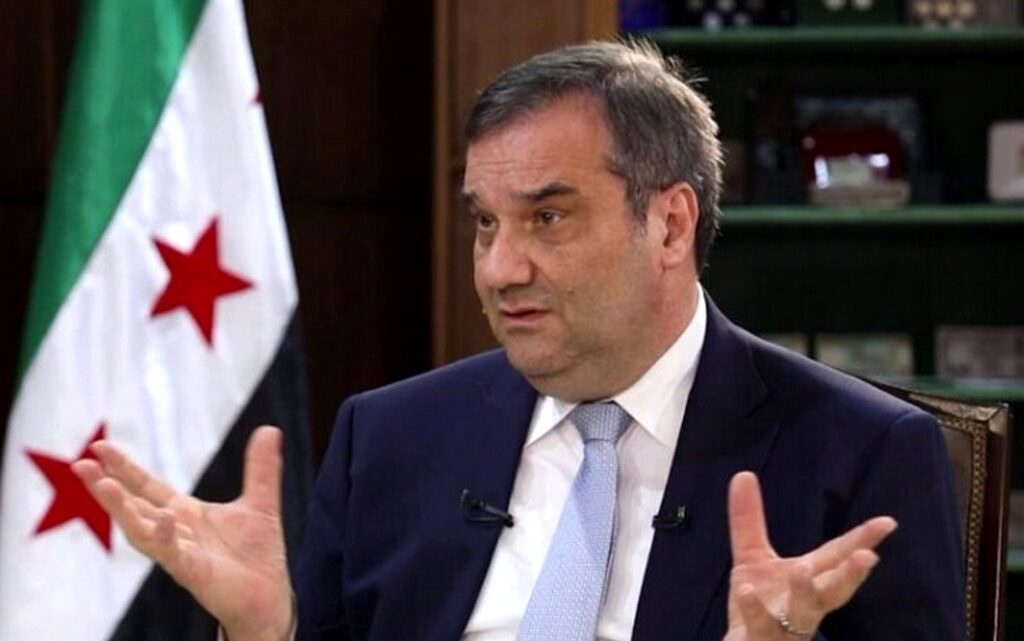
During his interview with the newspaper, the Governor of the Central Bank of Syria, Abdul Qader al Husriya, announced the imminent reconnection of the Syrian financial system to the global financial transfer network SWIFT, after more than ten years of disconnection due to Western sanctions that isolated the Syrian banking system from this important international payments system.
He said that reconnecting the Syrian banking system to SWIFT would help encourage foreign trade, reduce import costs, and facilitate export activity.
He added that it would bring in much-needed foreign currency, strengthen anti-money laundering efforts, and reduce reliance on informal financial networks for cross-border money transfers.
The return of SWIFT is the first major milestone in the new government’s plans to liberalize the Syrian economy, and a sign that the new officials are moving quickly to attract international trade and investment after the United States lifted sanctions last month.
The Governor of the Central Bank of Syria noted that “the plan is for all foreign trade transactions to be conducted through the official banking sector,” revealing that SWIFT codes have been allocated to the Central Bank and Syrian banks, a move that will eliminate the role of money changers, who charge 40 cents for every dollar entering Syria, according to the Financial Times.
In the interview, Abdul Qader al Husriya revealed that the Syrian authorities are working to restructure monetary policy and the banking sector, noting that the country is seeking to issue its first sovereign bonds as part of a strategy to attract foreign investment and finance reconstruction projects.
He emphasized that the government aims to enhance Syria’s image as a regional financial center, with an expected influx of foreign direct investment in the infrastructure and reconstruction sectors.
He added, “The move toward bonds reflects our commitment to providing Sharia-compliant financing instruments to expand the investor base”.
The Financial Times newspaper noted that these steps come after the United States recently announced the lifting of some sanctions on Syria, paving the way for Damascus to begin a long-awaited economic reform process amid the enormous challenges of rebuilding the battered economy and restoring international confidence.
Syria has been cut off from global markets since 2011, when then-President Bashar al Assad violently suppressed a popular uprising against him, spiraling into a civil war that engulfed the country.
However, the new president, Ahmed al Sharaa, who took power after Assad’s ouster, secured broad international support for his fledgling government and initiated an economic reform plan that included changes to banking laws and the banking system, with the aim of creating an investment-friendly environment.