Mali Defense Minister killed after deadly attack on residence near Bamako
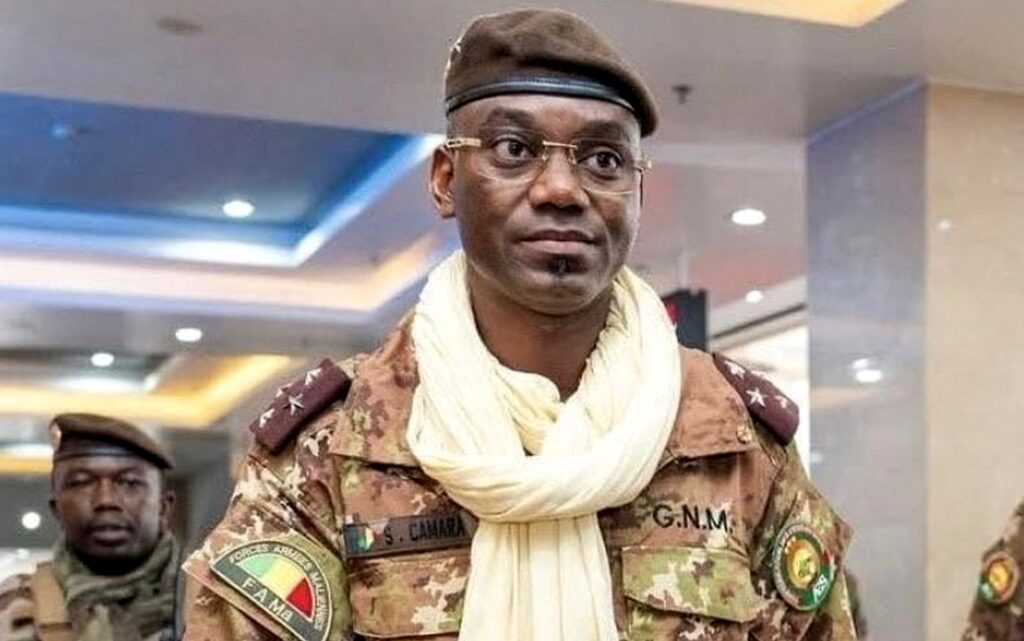
Sadio Camara, Mali’s minister of defense, died following an attack targeting his residence near the capital Bamako.
Initial information cited by the agency from family and government sources indicated he was killed during the assault alongside members of his family, though official confirmation wasn’t immediately issued at the time.
Subsequently, the Malian government announced that Camara, (47), succumbed to injuries sustained during what it described as a terrorist attack early Saturday.
According to a statement delivered by government spokesman Issa Ousmane Coulibaly on state television, a suicide car bomb targeted the minister’s residence, triggering clashes between security forces and the attackers.
Camara was wounded in the exchange of fire, evacuated to hospital, and later died.
The Malian government said the explosion caused extensive destruction, including the collapse of the minister’s home and damage to a nearby mosque, where several casualties were reported among worshippers.
Authorities declared a two-day national mourning period and confirmed that Camara would receive a state funeral, with arrangements to be announced later.
Armed groups claimed responsibility for the coordinated assaults, as the coalition Jama’at Nusrat al Islam wal Muslimin said it carried out simultaneous attacks across multiple areas in cooperation with the Azawad Liberation Front, including targeting the defense minister’s residence, though it didn’t specify his fate.
Clashes continued into Sunday in several areas such as Kati, Gao, and Sévaré.
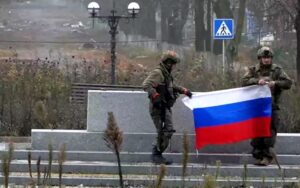
In a separate development, a spokesman for the Azawad Liberation Front, Mohamed Mouloud Ramadan, claimed that an agreement had been reached for the withdrawal of Russian personnel affiliated with the Africa Corps from Kidal, an area the group said was now under its full control alongside allied factions.
Camara was regarded as a high-ranking figure within Mali’s ruling military leadership since the 2020 takeover and a close associate of interim president Assimi Goita.
He was also widely seen as a central architect of Mali’s shift toward security cooperation with Russia following the drawdown of French forces.
Mali has faced persistent instability since 2012, with ongoing conflict involving state forces, separatist movements, and jihadist groups, despite evolving international partnerships and repeated military operations.