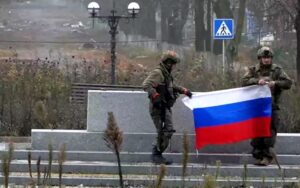
Wall Street Journal: The last reports of Assad’s intelligence before the fall
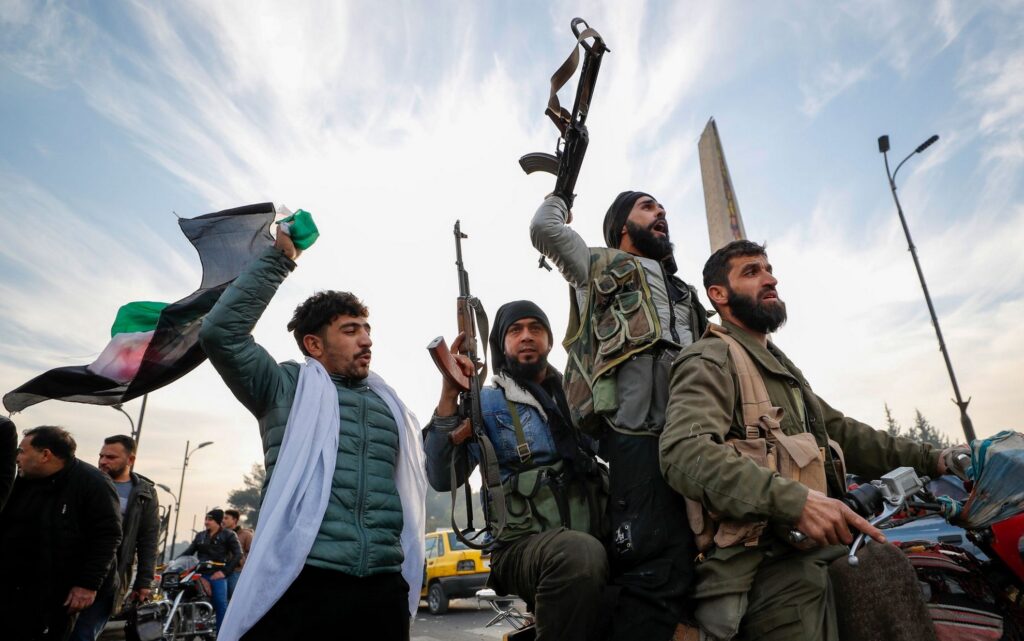
The Wall Street Journal correspondents in Syria who saw reports of the Assad’s intelligence, revealed how the ousted Syrian regime’s vast intelligence apparatus struggled to understand what was happening on the ground and halt the rapid advance of the rebels.
The Wall Street Journal reported that a disturbing 5-page report reached the offices of military intelligence officers in Damascus days after the Syrian army was defeated in Aleppo in the north by opposition forces.
These documents attribute that the elite forces sent to reinforce the city’s defenses were forced to withdraw as the army retreated in a mad manner and the soldiers fled hysterically, leaving behind weapons and military vehicles.
A trove of thousands of top-secret intelligence documents discovered by Wall Street Journal reporters in a building in December documents the remarkably rapid collapse of the authoritarian regime that ruled Syria with an iron fist for decades.
Assad’s regime tried through its official statements to downplay the gains of the opposition forces, but internal communications between the forces loyal to the regime reflected a state of growing panic.
Among what these documents revealed was that the intelligence service warned that the rebels would disguise themselves as regime forces by carrying pictures of Assad and raising the Syrian flag, and at that time fears of foreign intervention increased as the regime’s grip weakened.
In a report issued on November 30, the Assad’s intelligence warned that it had received information about communications and coordination between terrorist groups in northern Syria and terrorist sleeper cells in the southern region and around Damascus, calling for increased surveillance and security measures.
As the opposition forces advanced, one intelligence report suggested that the Syrian army would launch a surprise attack on the rear of the Hay’at Tahrir al Sham army and hit their base in Idlib, expecting this operation to sow chaos and relieve pressure on the Syrian forces around Hama, but this didn’t happen, according to the Wall Street Journal.
As the opposition forces continued to press, intelligence agencies increasingly focused on security in the capital, even on what seemed like minute details.
One intelligence branch reported that several people had recently moved from rebel-held territory in the northwest to a Damascus suburb, warning that they might form sleeper cells.
Hay’at Tahrir al Sham instructed its operatives in the Damascus countryside to prepare for action, according to another report.
The Wall Street Journal reported that a report sent on December 5, 2025 revealed that a source from the US-backed rebels stationed near the Jordanian border informed Syrian intelligence that the United States had instructed them to advance towards the eastern countryside of Dara’a and the historic city of Palmyra.
As opposition forces closed in on Damascus, the informants provided a flood of intelligence about the whereabouts of the supposed “terrorists,” according to the Wall Street Journal.
One suggested that 20 “terrorists” and two tanks were in a poultry farm, while another suggested that Hay’at Tahrir al Sham was using a cave in the Idlib countryside as its headquarters.
On the eve of the regime’s collapse, a document seen by the Wall Street Journal predicted that opposition forces would reach the outskirts of Damascus within two days and seize Sednaya prison.
The timing was wrong, but the final prediction proved correct as those forces stormed the prison and released the detainees’ hours after Assad fled the country.
Finally, the Wall Street concluded by saying that the Syrian intelligence officers remained loyal to their regime until the last moment and tried to protect it from falling, as indicated by the last line of the last document: “To review and do what is necessary”.