Winter is coming: Europe is preparing for a diesel shortages crisis with decreasing stock
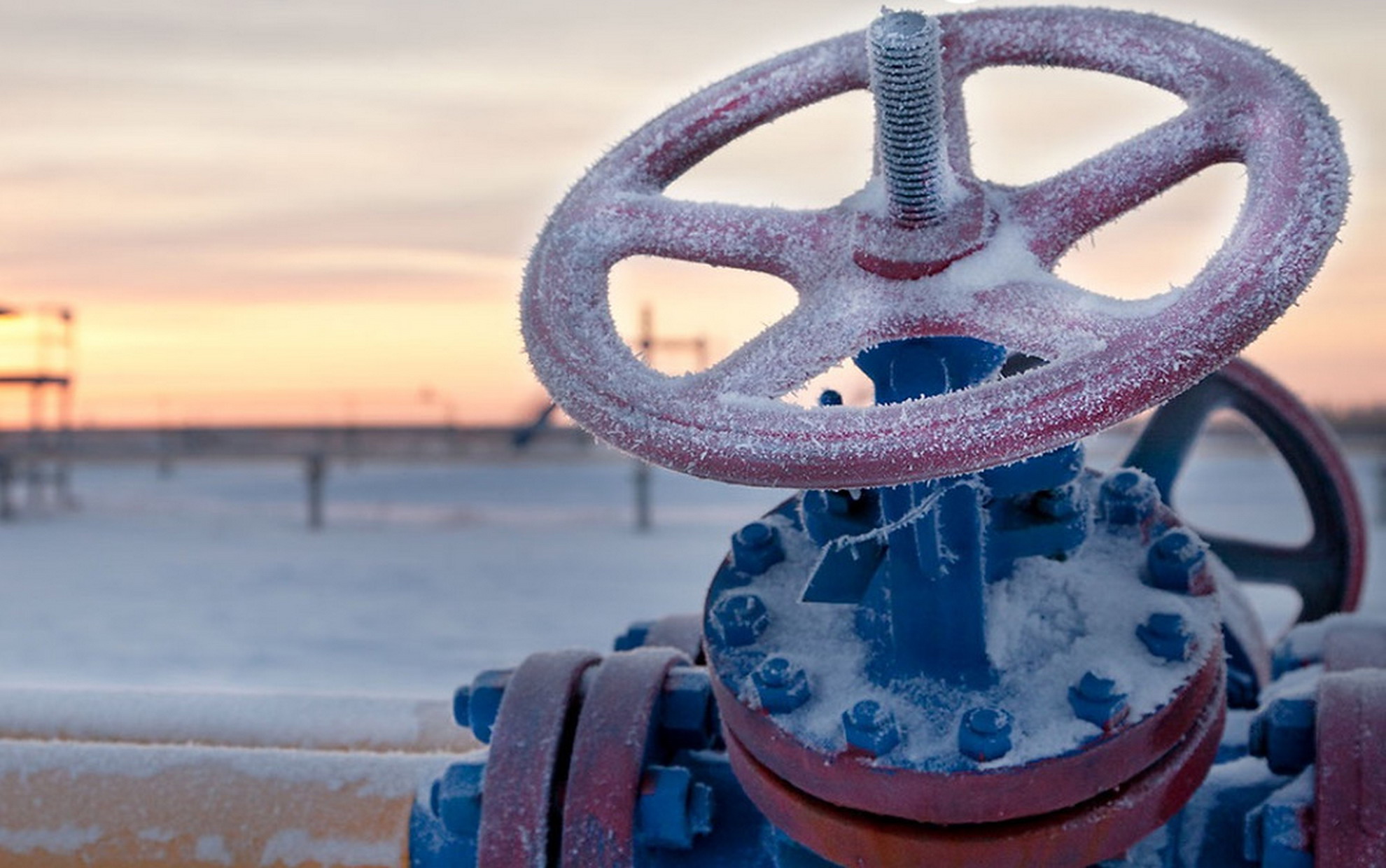
Europe is preparing for a difficult winter with low levels of diesel in storage warehouses, and fears of the significant repercussions that will result from the entry into force of European Union sanctions on supplies of Russian crude oil and refined products, especially on industries and drivers.
Diesel, along with other distilled fuels such as heating oil and gas oil, is the lifeblood of industries with its use in many purposes, from powering power plants to heating homes, in addition to being used as a fuel for engines.
The diesel market was shocked with its price hike on the basis of the possible disruption of those supplies in light of the announced sanctions, as Moscow supplies Europe with about 60% of its import needs.
On June 3, the European Union Council announced its official approval of the sixth sanctions package against Moscow, which included “phasing out the import of Russian oil within 6 months and petroleum products within 8 months”.
The six-month difference in European diesel futures rose to a record low of about $600 per ton.
A pullback is a market structure where current prices are trading at a premium to future delivery prices making it uneconomical for traders to stock up on diesel and take profits.
“No one in their right mind would put diesel in tanks at these levels,” said one European trader.
As a result, European distillate stocks held by refineries are well below their historical averages.
Data from Dutch consultancy Insights Global showed that stocks of diesel and gas oil in commercial sites in the Amsterdam-Rotterdam-Antwerp hub are well below the historical average.
Compounding the problem is that the extremely hot and dry weather in Europe has lowered the water level unreasonably in the Rhine, a major waterway for transporting tankers carrying fuel from huge oil refineries and tanks at the center of Amsterdam-Rotterdam-Antwerp to Germany, France and Switzerland.
At current levels, tanker owners prefer to load them at about a quarter of their capacity, which ranges between two thousand and three thousand tons or less, to avoid hitting the river bed.
This has created major bottlenecks along the waterway and pushed freight rates in some areas to record levels.
European Commission spokesman Eric Mammer stated on July 19 that “the European Union is making winter energy preparations on a worst-case scenario basis,” at a time when the Executive Director of the International Energy Agency, Fatih Birol, warned that Europe’s efforts to diversify its supply sources “would not be enough to get through the winter, without Russian gas”.