Will Charles be the last king of Britain?
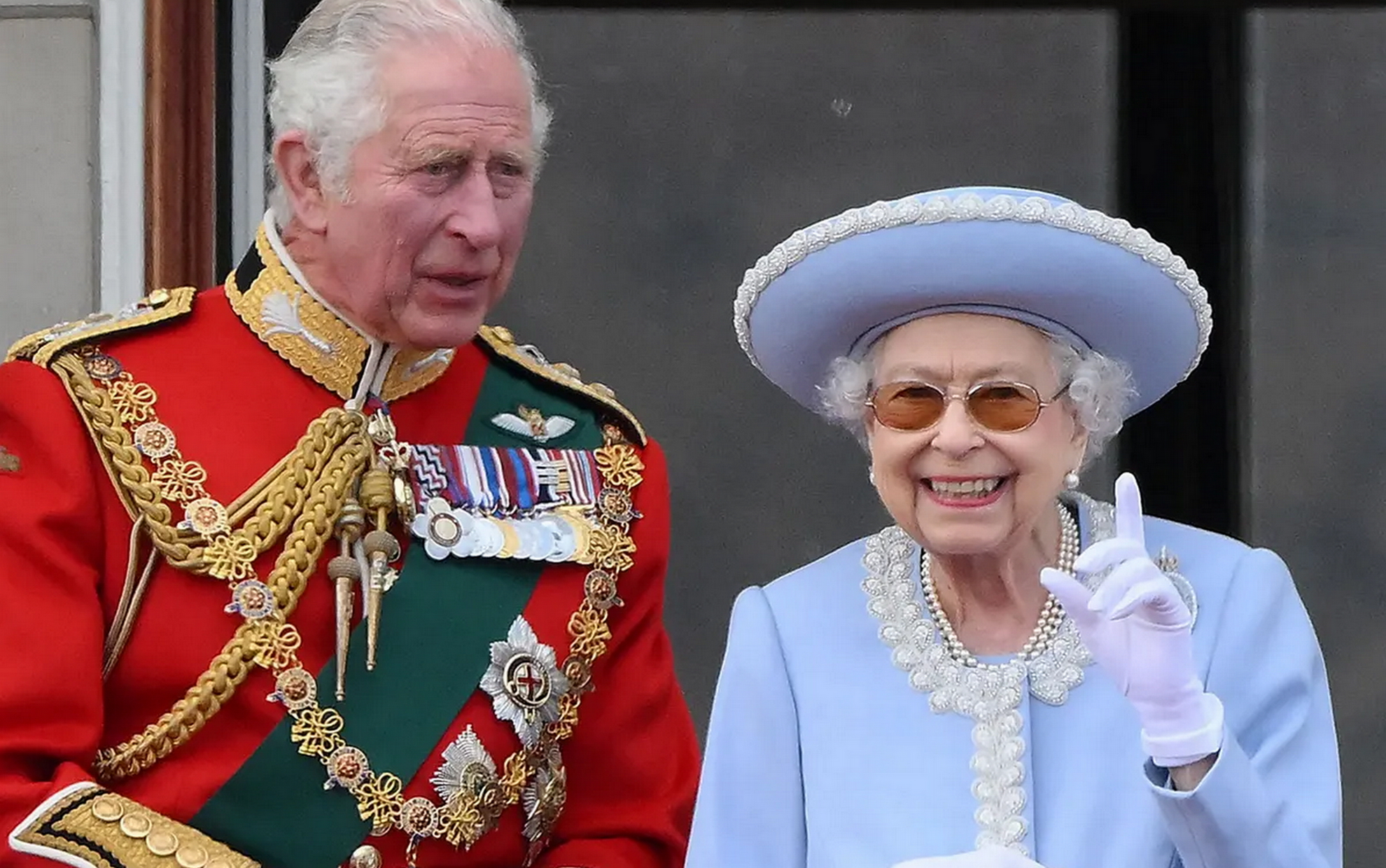
While the death of Britain’s Queen Elizabeth II unleashed a wave of sympathy for the British monarchy, and the new king’s popularity improved, even before he was officially crowned, there are still indications that the end of the British monarchy is likely, and that we may see Britain as a republic not too long ago.
As the complicated funeral ceremonies of the Queen of Britain continue, former British Prime Minister Tony Blair recalls on this occasion an ordeal that almost led to the end of the British monarchy, which is the memory of another royal funeral that the country witnessed 25 years ago, the funeral of the late Princess Diana of Wales, which took place During his first term in the Cabinet in 1997, according to a report by The Guardian newspaper.
Blair says he realized at the time that Britain’s monarchy faced an existential threat like it had hardly had before, and he worried at the time after many people saw the royal family as indifferent to people’s opinions and moods.
An opinion poll concluded at the time that one in four Britons supported the declaration of a republic and the abolition of the monarchy.
But the British monarchy is gaining popularity, and the Republicans have become quiet after that, the Queen in particular has managed to turn things around, until a YouGov poll this week showed that her son and her once-unpopular heir, his approval ratings increased dramatically, and his succession became his mother enjoys considerable support, even as 63% of the voters appreciate his work.
Likewise, the organized current of the movement calling for the establishment of the republic in Britain tended to take calm as an approach in the period prior to the coronation ceremony, which is expected to take place next year.
The polls, from their decline to the lowest level, are reasons that motivate them to speak out their claim.
The performance of the new king will determine the fate of the country.
In this context, groups of republican advocates in Britain, such as the Republic movement, have resolved to prepare the ground for the abolition of the monarchy by intensifying promotional campaigns among the people, and they say that thousands of new adherents have joined them in recent days, but experts say the success of their endeavors hinged on the new king’s performance of his work.
Some of them say that the king did well in the past weeks, and others disagreed with them by referring to the speed of his anger on two occasions because his pen ran out of ink, or because he mis-signed, and they measure his behavior to the behavior of his mother, who was famous for her dream and the rigidity of her face in most cases.
“The increase in public support for Charles is indicative of the strength of the establishment in the first place,” says Gabriel Melland, a pollster and former adviser to the Cabinet Office.
It’s a stature akin to the impact of the meeting around the country’s flag… And I see that this influence will continue”.
Milland believes that “if things went in his state without disturbances, it would be difficult to witness a coup against the monarchy in the country.
The evidence for this is that the people’s opposition to the monarchy didn’t reach the point of fear of overturning it except in times when things were in turmoil, and the royal establishment misbehaved, such as Victoria’s retirement from public life after Albert’s death, the crisis of the abdication of Edward VIII, and the crisis of Diana’s death”.
Here are the proportions of opposition to the monarchy:
Since the (British National Center for Social Research) began tracking people’s views of the monarchy in 1994, the (mainstream) in which about two-thirds of people say that the monarchy is indispensable or very important to Britain, says Professor John Curtis, Sir and prominent political scientist in Britain.
Whereas, between 10% and 20% of people think that it is not of any importance, or that it should be eliminated.
“But that does not preclude that differences within these prevailing opinions may be decisive in turning things around at some point,” he says.
But there is a problem with Meghan Markle and allegations of sexual abuse against Prince Andrew.
People’s views of the monarchy have seen many ups and downs, such as the downturn after Diana’s death and the sudden turnout of her endorsement after the diamond jubilee of Elizabeth II in power.
Curtis points out that the latest poll conducted by the British Center for Social Research revealed a drop in the percentage of those who see the monarchy as “indispensable or very important” in Britain to about 55%.
Curtis presents the reasons for this, saying: “There are probably two reasons for this regression; the first: Prince Andrew (allegations of sexual abuse), and the second: Prince Harry and his wife, Meghan Markle (allegations of racism against them, withdrawal from royal duties).
The evidence from the matter is that there is a certain sense of general stability in support of the monarchy.
But he believes that this support varies, and differs according to the circumstances, and adds, “Therefore I think that Charles’s support should be classified as emergency support, and not indisputable”.
Here are three groups of people who tend to see the end of the British monarchy.
Speaking of another poll of Britons’ views on identity and public attitudes toward the country’s system of governance, Sander Katwala, a researcher at the British Future think tank, said a poll for the center also found widespread public support.
To the monarchy among the people, but the results revealed three opposition groups that the monarchy should worry about: Scots, ethnic minorities in Britain, and the youth.
Katwala said the Center’s poll found that less than half of Scotland’s population supported maintaining the monarchy.
It is known that the United Kingdom survived the disintegration in 2014 after the Scots voted in a referendum held at the time to remain within the Kingdom by a narrow margin, and at that time Britain was part of the European Union, but Britain’s exit from the European Union via what is known as Brexit in a referendum In 2016, its continuity in the United Kingdom was cast in doubt because Scots were the most enthusiastic of its people to remain in the European Union, with the majority of voters in England and Wales supporting secession, while most voters in Scotland and Northern Ireland supported remaining in the union.
The Scottish Independence Party had already called for another referendum on whether Scotland should remain in the United Kingdom after it left the European Union, but British Prime Minister Boris Johnson refused to do so.
But the challenge that threatens to see the end of the British monarchy soon, comes from two other segments of the population, the youth and the ethnic minorities.
Across Britain, only 40% support the monarchy among 18-24-year-olds, and as low as 37% among ethnic minorities.
Elizabeth’s death gave a boost to the monarchy.
However, according to Katwala, this does not require republicans to think that future generations will automatically bear hostility to the monarchy, nor does it entail people underestimating the importance of the royal family.
“Quiet opposition pays off, and Republicans can gain more support if they rely on an opposition that doesn’t provoke treason and encourages transparency in matters such as: the finances of the monarchy, which are allowed to be questioned in Parliament,” Katwala said. Either way, the de facto referendum on the monarchy will continue in the polls conducted by the British Center for Social Research.
Katwala concludes: “If the monarchy loses public support, people will behave differently and the media will change, even if it does not reach the level of challenging the monarchy.
No doubt the moment is not the right moment for that, because of the general grief for the death of the Queen, but the coronation should be the moment when some people come out and say… This is the alternative”.