Weapons trade in the Middle East and North Africa
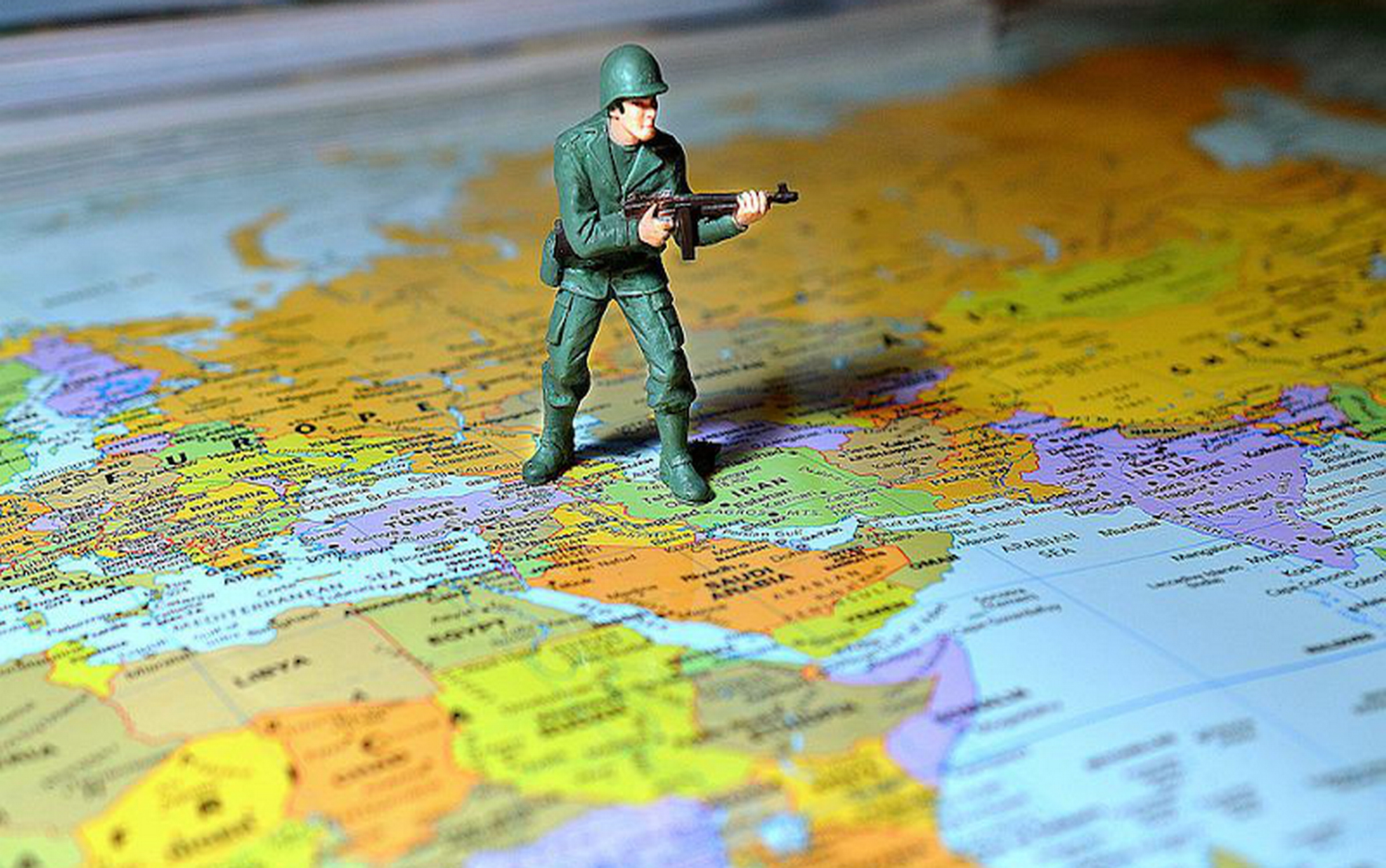
A report by the Stockholm International Peace Research Institute (SIPRI) has revealed the role that countries in the Middle East and North Africa have played in the global arms trade in recent years.
The report stated that “countries in the Middle East and North Africa have since 2019 played a growing role in the global arms trade, not only as importers of arms, but also as producers and increasingly exporters of arms”.
The report pointed out that “Middle East and North African countries continue to rely heavily on imports for military acquisitions and reinforcements,” adding that “according to the (SIPRI) arms transfer database, major conventional arms transfers to Middle Eastern countries have grown significantly over the past fifteen years, last year”.
In addition to the Israeli occupation, the report noted that “six of the 25 largest importers of arms in 2017-2021 (Egypt, Iraq, Qatar, Saudi Arabia, Türkiye and the United Arab Emirates) were in the Middle East”.
He continued, “In North Africa, Algeria and Morocco are the main importers, and in 2017-2021 they were the 11th and 25th, respectively, of the largest recipients of major conventional weapons at the global level”.
According to the report, “many countries in the Middle East and North Africa have developed, or are seeking to develop, their own arms industries,” adding that “this led to some of them establishing a limited, licensed production of major conventional weapons and small arms and light weapons, for example armored vehicles in Algeria, Egypt and Jordan’s anti-tank missiles”.
He explained that “Jordan has emerged as a major arms exporter,” and according to SIPRI data, Jordan ranked 25th among the largest suppliers in the 2017-2021 period, although this is mainly due to the export of used equipment (such as combat helicopters and armored personnel carriers).
The report pointed out that “Türkiye has also succeeded in developing its own weapons industry, and is capable of producing a wide range of weapons systems in part or in whole (such as armored vehicles, ships, artillery, missiles, unmanned aerial vehicles, and drones),” adding that it “ranked the 12th among the largest arms suppliers in the period from 2017 to 2021.