Washington Post: Netanyahu is fighting two wars and may not win either of them
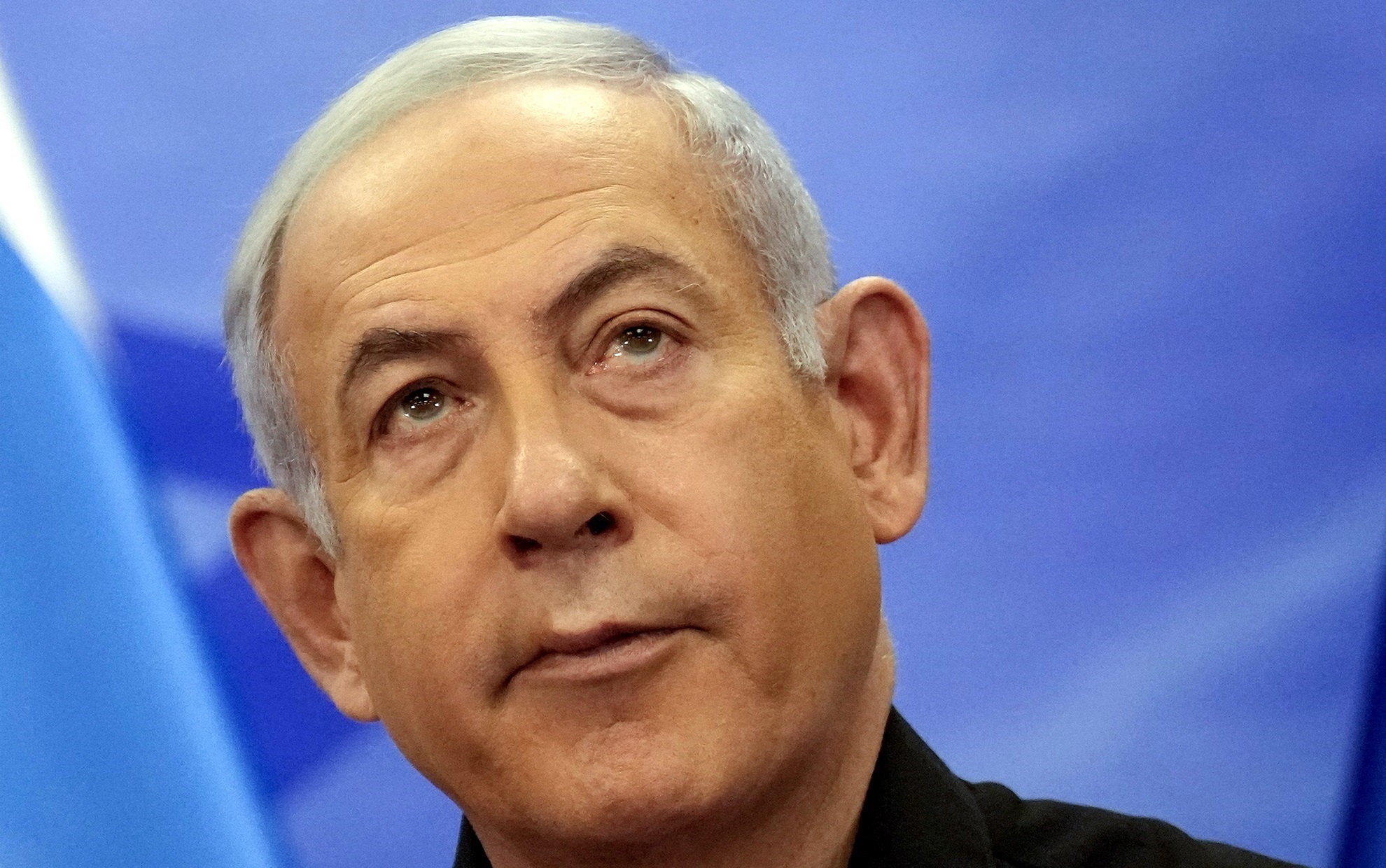
According to the Washington Post, the Israeli Prime Minister, Benjamin Netanyahu, is fighting two wars.
Netanyahu is at the head of a wartime government, and is leading the operation against Hamas, however, after nearly two months of war, and the martyrdom of more than 15,000 Palestinians in Gaza, Netanyahu is fighting another battle: trial proceedings over corruption allegations in which he was involved, which resumed, Monday.
The Washington Post pointed out that the resumption of the trial came after the Israeli Minister of Justice, Yariv Levin, announced the end of the state of emergency in the Israeli courts, last Friday, so that the courts stopped hearing non-urgent cases, following October 7, pointing out that Netanyahu is now back in the dock, at least in theory.
He didn’t attend the session, but he will most likely attend it.
The Washington Post sees Netanyahu’s legal drama has haunted Israeli politics for nearly half a decade it serves as the subtext of the prime minister’s angry campaigns against the judiciary and the independent media.
The Washington Post indicated that these events may have stimulated Netanyahu’s quest for continued power and possible immunity, which led him to engineer a return to office after the elections in 2022, at the head of the most right-wing coalition in Israel’s history, explaining that he couldn’t be forced to resign unless he was convicted, this may take years from now.
In the wake of the October 7 attack, Netanyahu’s position became clearer; the Israelis, angry and shocked, demanded strict measures, but many Israelis also blame Netanyahu for presiding over the bloodiest day in Israel, and they feel dissatisfied with Netanyahu’s attempts, since then, to blame the military institution, the clear friction between the Netanyahu government and the families of the prisoners struck a chord in Israel.
The Washington Post continued that now, in the midst of the major crisis, Netanyahu is fighting for the remainder of his political career, while also trying to defeat Hamas, in a way that makes the endgame on both fronts seem fraught with danger, for the prime minister, pointing out that experts are struggling to know.
How can Netanyahu remain in office after the war?
Even the former Prime Minister, Golda Meir, was forced to step down after the trauma of the 1973 Yom Kippur War.
It may also be difficult for Israel to achieve the kind of maximum victory that Netanyahu’s far-right allies seek.
Tens of thousands have been demonstrating in Tel Aviv since October 7, raising slogans against Netanyahu and his government, which they hold responsible for the major failure on October 7, demanding an acceleration of the process of releasing all prisoners in the Gaza Strip.
Last April, Netanyahu launched an attack on the judiciary, describing it as carrying out an “authoritarian coup attempt,” adding, “They are on a hunting trip, and they didn’t investigate or look for a violation… They pursued a person, which is me”.
Netanyahu denied, completely and in detail, the charges against him in three corruption accusations, after the judges told him, in his hearing, the content of the charges against him.