Venezuela turns accounts of oil projects into Russian bank to overcome sanctions, Maduro gives the start of the largest military exercises in the country
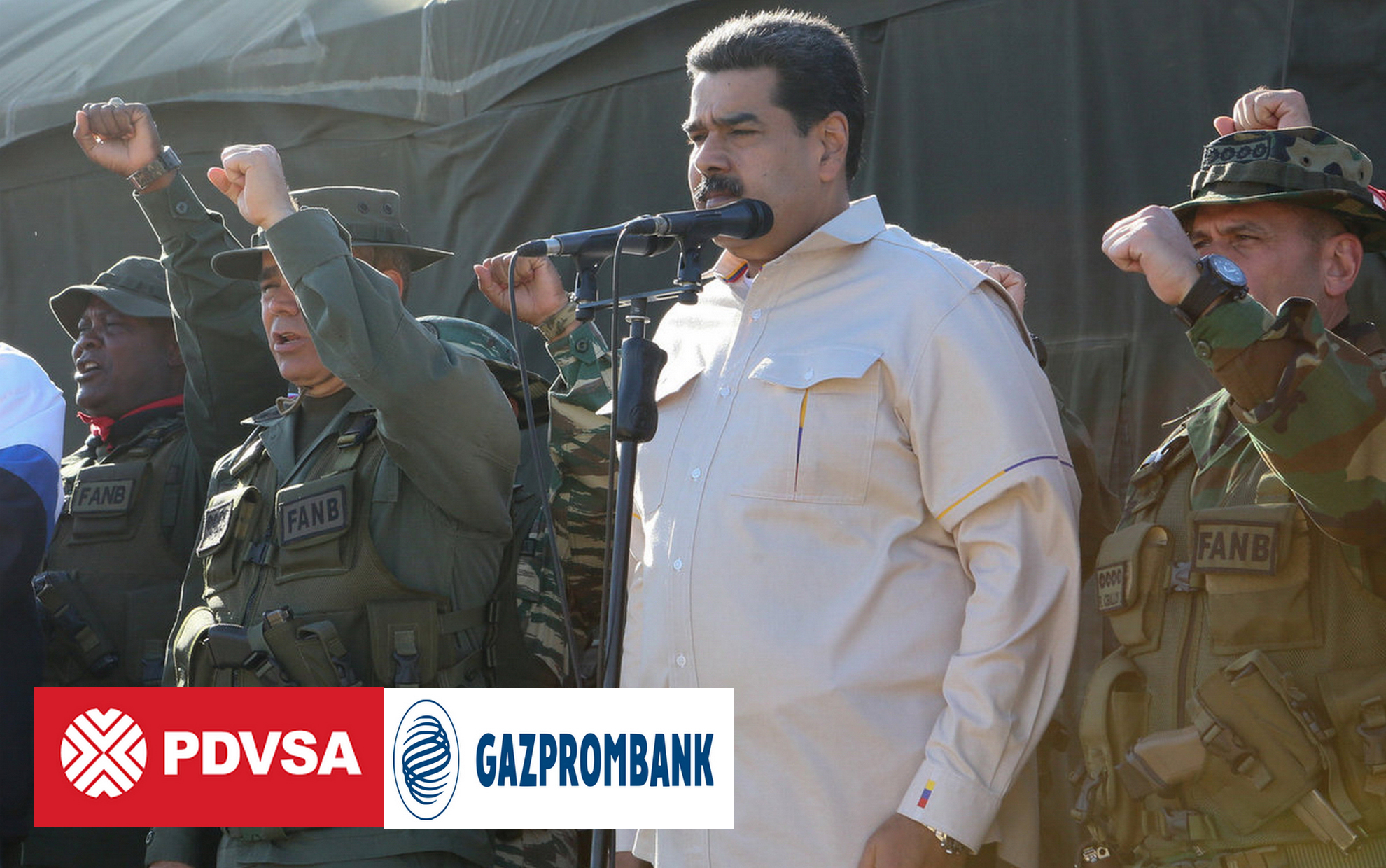
In the light of the crisis in Venezuela and the embargo imposed on the Venezuelan state oil company PDVSA dealers in its joint oil projects deposit sales proceeds in the account opened recently at the Russian Gazprom bank.
The state oil company’s move follows the new tough US financial sanctions imposed on January 28 aimed at preventing Venezuelan President Nicolas Maduro from reaching the country’s oil revenues.
Since then, the Venezuelan oil company has been pressing its foreign partners in joint ventures in the oil-producing Orinoco Belt area to decide Officially announced whether they would continue with these projects, according to two sources familiar with the talks.
Among the foreign partners in the joint ventures are the Norwegian company EKNOR and Chevron, as well as France’s Total.
PDVSA, its joint venture with EKNOR and Total, also ordered a halt to heavy oil production due to a shortage of naphtha needed to ease production after sanctions prevented US suppliers from exporting it to Venezuela.
In the meantime, Venezuelan President Nicolas Maduro launched the start of a huge military exercises, lasting for 5 days.
The ongoing military exercises in the state of Miranda, Venezuela, in light of the escalating threats of foreign military intervention against the country.
The inauguration ceremony was attended by President Maduro, commanders of ground and air forces, and Defense Minister Vladimir Padrino Lopez.
In a speech at the ceremony, Maduro said that the Venezuelan army has been defending the dignity of the country for 200 years, stressing that these exercises will be a test of past operations and an assessment of scenarios of potential military threats.
“Trump is oalong with his threats too”, Maduro said in his speech.
Venezuela has been under growing tension since January 23, when Venezuelan opposition leader Juan Guido declared his right to hold the presidency temporarily until new elections are held.
President Donald Trump quickly recognized Guido as a transitional president of Venezuela, followed by Canada, Latin America and Europe.
In contrast, countries including Russia, Turkey, Iran, Mexico and Bolivia supported the legitimacy of current President Nicolas Maduro, who on January 10 was sworn in as president for a new six-year term.
Maduro announced that he had cut diplomatic relations with the United States and accused her of plotting a coup against him and gave US diplomats 72 hours to leave the country.