US Congress prepares to hold hearing to discuss the repeal of Caesar Act sanctions on Syria
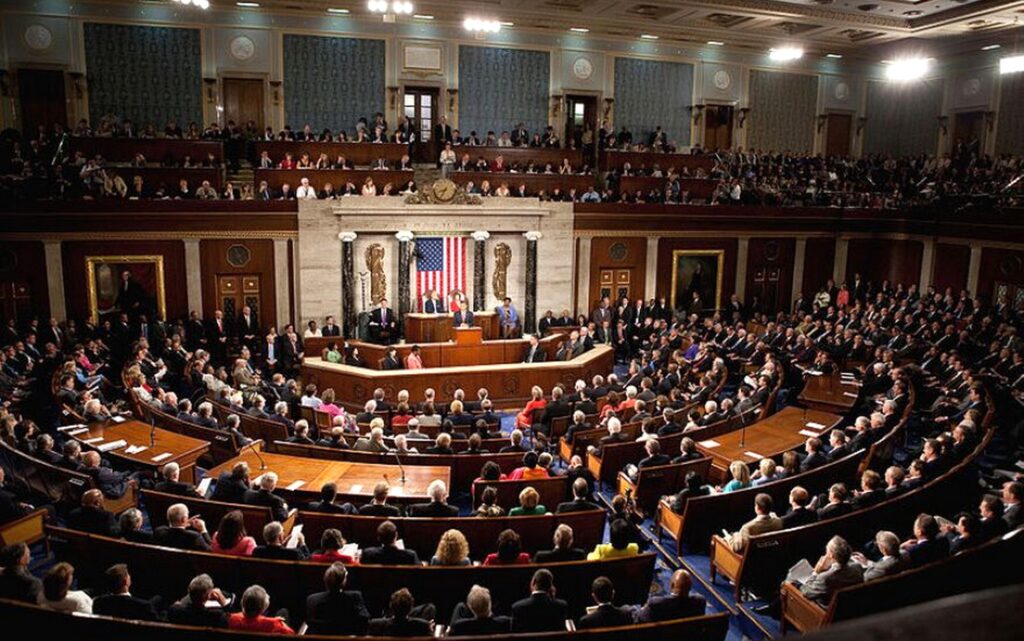
A number of members of the US Congress are preparing to hold a hearing entitled “Give Syria a chance” on November 20, to discuss the future of sanctions imposed on Syria in light of the recent political developments.
The official announcement of the session came on Friday, November 14.
According to the text of the invitation, the session will be broadcast live online, focusing on what it describes as the “new opportunity” phase that Syria is going through after the fall of Assad regime, and discussing ways to support the establishment of a united, stable and prosperous Syrian state that contributes to promoting regional peace and limiting the influence of Russia, Iran, and China.
The organizers of the session believe that the current stage requires a comprehensive review of the US sanctions imposed on Syria, especially since US President Donald Trump has suspended most of the previous sanctions, with the exception of the Caesar Act, which is still in force as a special punishment for murder and torture.
The hearing will host three prominent witnesses:
- Farid al Madhan (Caesar), whose name the law bears.
- Yosef Hamra, chief rabbi of the Jewish community in Syria.
- Myrna Barq, President of Syrian Christians for Peace.
The witnesses will provide their insight into the importance of the US role in supporting the “new Syria,” the possibility of modifying or lifting sanctions, and discussing how to strengthen the US presence in the face of attempts by rival international powers to undermine the country’s ongoing political transition.
For his part, MP Joe Wilson wrote on X saying that he was happy to chair the session, stressing the need to cancel the sanctions stipulated in the Caesar Act in its entirety to give Syria the opportunity to start again.
The moves come as US President Donald Trump and Special Envoy for Syria Tom Barrack seek to lift economic sanctions imposed under the Caesar Act.
But a political confrontation is hampering that trend, led by Republican Rep. and House Foreign Affairs Committee Chairman Brian Mast, who met with Syria’s transitional president, Ahmed al Sharaa, in Washington on November 9.
On November 10, the US Treasury and Commerce Departments announced the extension of the suspension of some provisions of the Caesar Act for 180 days, replacing the waiver issued last May.
The new suspension suspends most of the law-related sanctions, with the exception of those related to financial or business operations linked to Russia or Iran.
The move came after Syrian President Ahmed al Sharaa’s visit to the White House, in the first visit of its kind by a Syrian president.
According to the statement, this suspension aims to open the way for US and international companies to participate in economic and development projects inside Syria, while maintaining restrictions associated with separate US sanctions entities.
The statement also stressed that the sanctions imposed on certain figures and entities, including Bashar al Assad and his associates, who are involved in human rights violations and Captagon smuggling, in addition to regional parties accused of destabilization, will remain in place, as Syria’s designation as a “state sponsor of terrorism” is still under review.