Türkiye’s foreign exchange reserves rose after a Russian nuclear company pumped billions of dollars
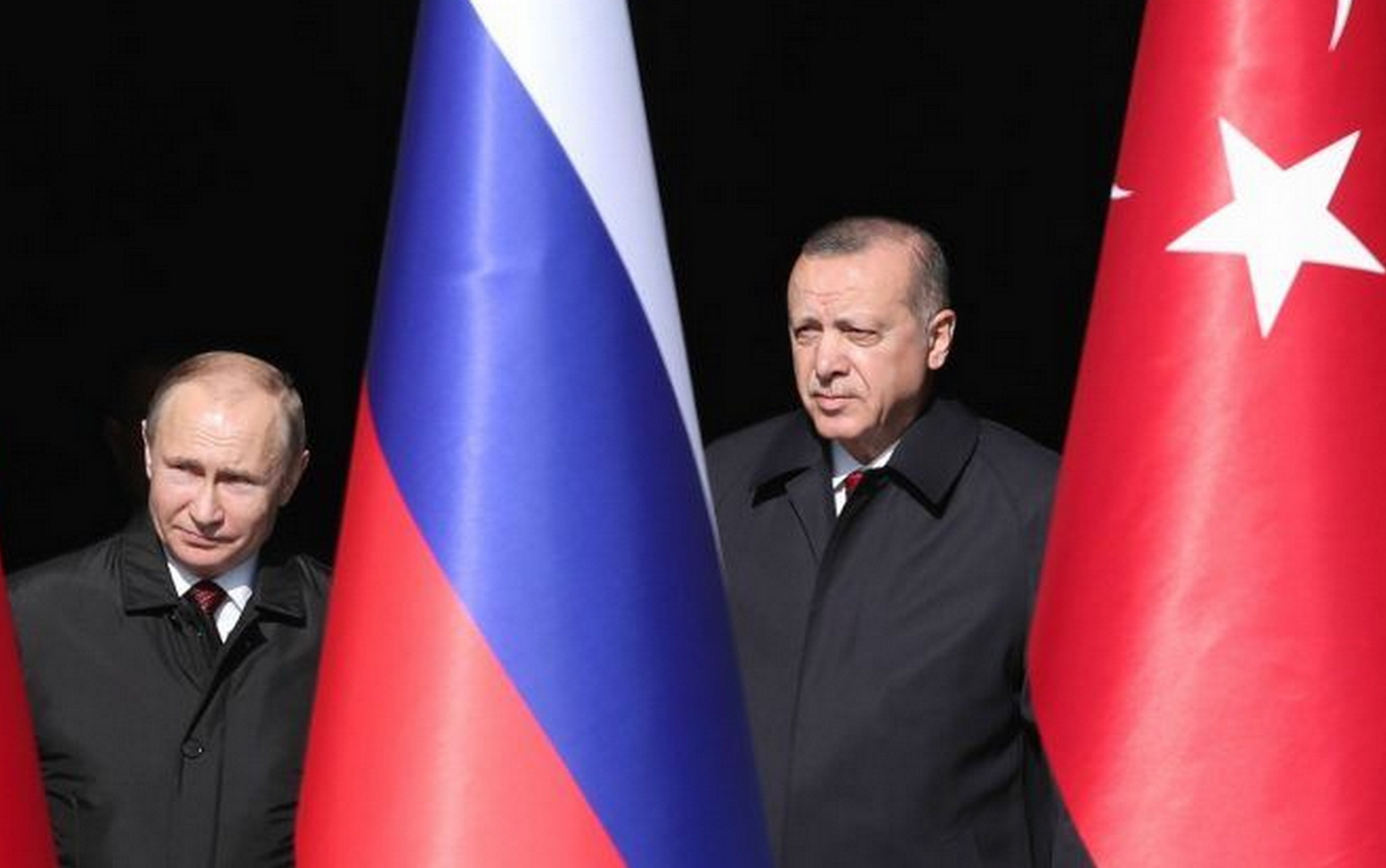
Türkiye’s official gold and currency reserves rose by the most since February, after Russia’s nuclear company Rosatom pumped money into Russia for a subsidiary in Türkiye.
Reserves increased by about $3 billion over the past week, with gold accounting for $1.6 billion of the increase and the rest being foreign currencies.
Total foreign currency reserves amounted to 61.1 billion dollars and gold 40.2 billion dollars, according to data published by the Central Bank of Türkiye last Thursday.
In this regard, Turkish Treasury and Finance Minister Nureddin Nebti confirmed, through a recent television interview, that reserves are rising thanks to huge transfers from another country without specifying them.
The Central Bank of Türkiye in Ankara declined to comment when asked about the exact sources of the transfers.
Meanwhile, the Central Bank’s weekly analysis of capital flows shows that the Turkish Central Bank has borrowed $2 billion from commercial banks.
It also received about $1.8 billion from other central banks, the International Monetary Fund or the Bank for International Settlements.
As Türkiye’s central bank tries to increase reserves at a time when the gap in foreign trade is widening, it also needs to continue to support the lira.
This means that Turkish Central Bank officials must maintain undeclared interventions in the currency market to prevent the depletion of foreign exchange holdings and maintain a state of balance.
A Russian state-owned company is transferring money to a subsidiary that is building a $20 billion nuclear power plant in Türkiye off the Mediterranean coast, easing concerns about the project being delayed by sanctions linked to the war in Ukraine.
At the end of last month, Rosatom company.
transferred about $5 billion to a construction company in Türkiye, officially known as Akkuyu Nuclear JSC, with plans to make two similar dollar conversions this week and next, according to the report. To prominent Turkish officials directly familiar with the matter.
Treasury Secretary Vegetarian said Wednesday night that reserves will continue to rise over the next few weeks via foreign transfers.
Turkish officials told Bloomberg last month that Russia’s Rosatom is in the process of transferring $15 billion to a Türkiye-based subsidiary to build the Akkuyu nuclear plant on the Mediterranean coast at a cost of $20 billion.
The Russian company disputed the Turkish officials’ account, saying that “current transactions are much lower”.
It is worth noting that any Turkish bank, after receiving the Russian funds, can lend them to the Central Bank through swaps or through the monetary authority under the so-called deposit mechanism.
The central bank has been regularly borrowing foreign currency from commercial banks through lira foreign exchange swaps since 2019.
The total amount received through the mechanism has reached $59 billion, according to monthly central bank data, published last month.
These swaps allow commercial banks to deposit some of the newly received money with the central bank, and in return lend the lira to the banks.
The Turkish Central Bank has concluded a large number of currency exchange agreements with countries such as China, Qatar, South Korea and the United Arab Emirates since 2012 to boost its reserves.
Foreigners’ holdings of assets in Türkiye have come under pressure since it began intervening through the back door to prop up the lira under former Finance Minister Berat Albayrak in 2019.
The Turkish President Recep Tayyip Erdogan said the outcome of such interventions amounted to about $165 billion early last year, defending the strategy as key to financing the current account deficit and fulfilling Türkiye’s obligations with capital outflows.
However, the lira has lost about a quarter of its value since the start of 2022, bringing its total losses in the past three years to 70%.