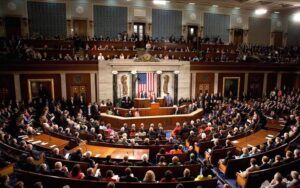
Trump calling Netanyahu to continue and Wishing Khamenei a Good luck!
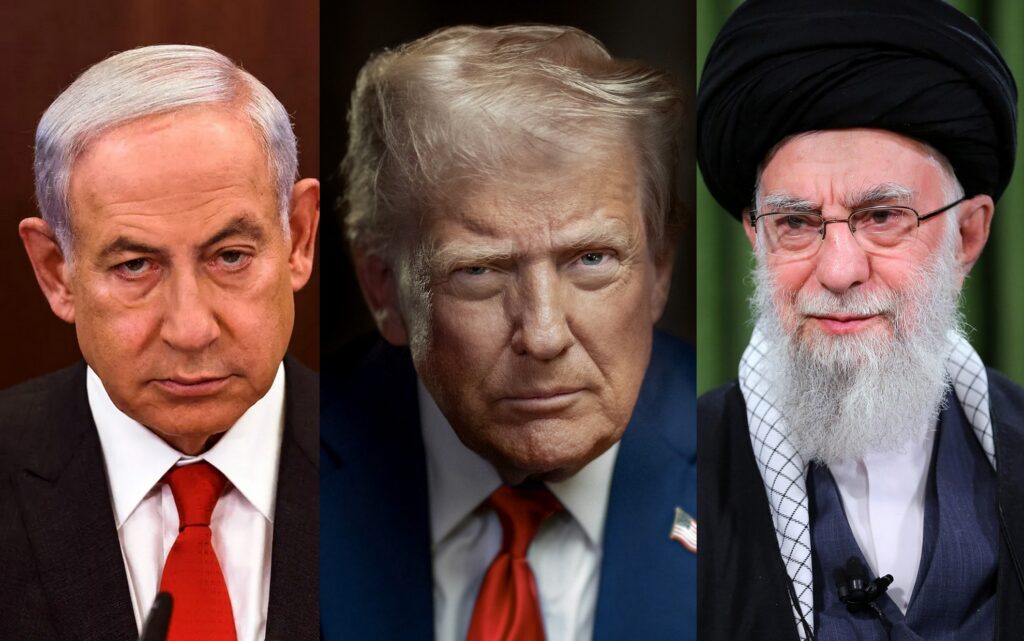
US President Donald Trump sparked widespread controversy with a brief statement addressed to Iranian Supreme Leader Ali Khamenei, simply saying, “Good luck,” in response to a question about his message to Tehran amid the ongoing military escalation.
Trump confirmed that he asked Israeli Prime Minister Benjamin Netanyahu to continue the military operation against Iran, describing Netanyahu as a “good man”.
Trump added, according to the same source, that he had issued a final warning to Iran, stressing that “Tehran will never be allowed to possess a nuclear weapon”.
He said, “There may be those who aren’t satisfied with my position now, but I reiterate that I was flexible at the beginning, and on day 61 I told them (referring to Israel): Go ahead, continue”.
In previous statements, Trump hinted at the possibility of authorizing a military strike against Iranian nuclear facilities, although he said that such a move could still be reversed if Tehran responded to negotiations.
Trump explained that Iran had expressed its willingness to negotiate, noting that Iranian officials had proposed coming to the White House for talks despite continued Israeli attacks on their territory.
He continued from the White House, “The Iranians are facing major problems and are willing to negotiate… They have reached out to us, and I want unconditional surrender… Next week will be decisive”.
In contrast, Washington Post columnist David Ignatius quoted US officials as saying that Trump doesn’t favor US military involvement in Israeli strikes against Iran.
Ignatius noted that Trump’s core foreign policy approach is based on “trade instead of war,” explaining that the US president doesn’t want to be drawn into a conflict in the Middle East unless absolutely necessary.
David Ignatius suggested that Washington would likely seek to resolve the Iranian-Israeli conflict through negotiations, especially since Trump remains interested in reaching a new nuclear agreement with Iran, despite Israel’s skepticism about the feasibility of any such agreement.