The New York Times: The Horn of Africa is an arena of fierce international competition for influence

The Horn of Africa has recently become a very important arena for competition between several global parties, especially in light of Israel’s recognition of the secession of Somaliland and US military operations in Somalia under the pretext of combating so-called terrorism.
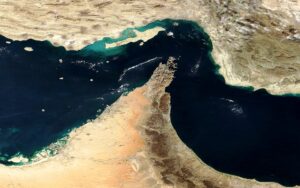
Israel’s decision, which has been heavily criticized by several regional and international parties, along with the US military intervention in Somalia, are two indicators that the Horn of Africa has become a crucial arena for international competition for influence in the Red Sea and the Gulf of Aden, two of the world’s most important waterways.
The New York Times quoted analysts as saying that the main motivation behind Israel’s recognition of Somaliland is its conflict with the Houthi movement in Yemen.
According to Asher Lubotzky, an expert on Israeli foreign policy at the University of Houston, this Israeli move would contribute to stopping the smuggling of weapons by the Houthis to Yemen.
Meanwhile, global competition in the region, which for decades has been of little concern to regional actors, has been intensifying since the fall of President Siad Barre’s regime in 1991 and the ensuing civil war, turmoil and divisions, culminating in the secession of Somaliland with its capital Hargeisa.
With the onset of international competition for the Horn of Africa, several regional actors have entered the line, and the entire Horn of Africa region is being affected by the geopolitical transformations taking place in the Middle East, Kenya-based regional policy analyst Ngala Chomi told the New York Times.
Many other countries have conflicting interests in the region; China has criticized Hargeisa’s decision to maintain ties with Taiwan.
Ethiopia signed an agreement in 2024 to build a naval base on the coast of Somaliland in exchange for recognition, leading to a diplomatic crisis with the Mogadishu government that was contained after Turkish mediation.
For now, the Mogadishu government is still busy managing its relations with its neighbors and, above all, containing the militants.
Elections are due to be held in Somalia this year, with President Hassan Sheikh Mohamud announcing his intention to run for a third term.
Amid the fierce competition in the region, Somalia has so far taken a cautious approach to Israel’s recognition of Somaliland, stressing its keenness on the importance of its international alliances and what it sees as threats to its sovereignty.
The New York Times quoted Somali Minister of State for Foreign Affairs Ali Omar as saying that Israel’s recognition of Somaliland sets a dangerous precedent on the African continent, where many governments fear separatist movements.
Undermining his country’s cohesion at this critical juncture will be counterproductive, the Somali official said, stressing the need to enhance the international community’s awareness that Somalia’s unity is essential for regional and global security.