The international coalition excludes Syrian General Security from its operations in Palmyra
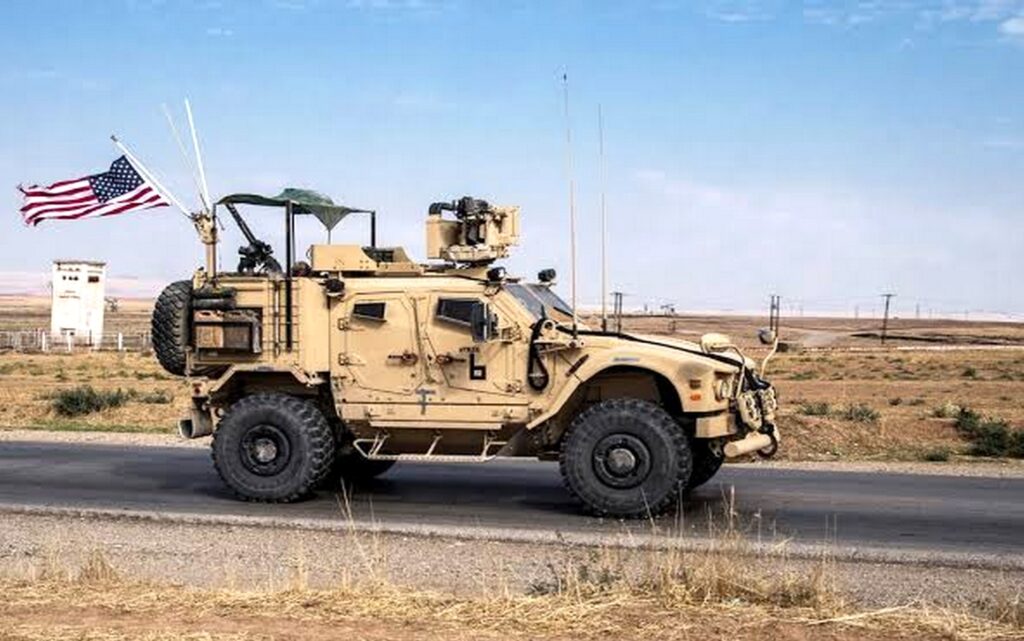
The international coalition has intensified its security measures inside the city of Palmyra, relying on a direct partnership with local forces, in a move during which it excluded the Syrian General Security Forces from its tasks, following an armed attack that targeted US forces and resulted in deaths and injuries, amid growing concern about the movements of extremist cells in the area.
These measures come in light of the escalation of security tension in Palmyra, located in the eastern countryside of Homs, after an incident that brought to the fore the fragility of the situation on the ground and the complexities of the military and security scene, especially with regard to the overlapping influence and the multiplicity of controlling parties.
The international coalition relies mainly on the so called Badia Security forces, formerly known as the “Free Syria Army”, who had been established and based in al Tanf area, by the US forces for years, as the main local partner in carrying out security and military operations in the city of Palmyra and its surroundings.
This partnership included conducting joint patrols and carrying out field operations without the participation of the Syrian General Security Forces, especially following the attack that took place on Saturday (December 13th), which killed seven people, including a translator, and wounded five others.
This approach is part of intensive security co-ordination aimed at controlling the situation on the ground and preventing any future attacks, in light of information circulating about the activity of extremist cells inside the city and the surrounding desert areas.
The Badia Security forces are the most prominent local arm that the international coalition relies on in the region, due to its long experience and wide deployment in the desert areas, specifically in the vicinity of Palmyra, before later joining the Ministry of Interior.
Raids and arrests were carried out during the past period in and around the city, which were carried out under the direct supervision of the international coalition and with the participation of the Badia security forces, and resulted in the arrest of a number of people who are still detained by the coalition, on suspicion of their involvement in activities that threaten security.
The attack, which targeted US and Syrian forces, took place inside the Badia branch, known as the “Badia Intelligence Branch No. 221”, located in the western neighborhood of Palmyra city, a site under the control of the Syrian Security Intelligence led by Hussein Salameh.
According to available information, the security forces in Palmyra are limited to the Security Intelligence in the Badia branch, in addition to the Public Security Forces of the Ministry of Interior, which are stationed in the police station complex northeast of the city, as well as the forces of the 42nd Division deployed at Palmyra military airport and ammunition depots in the area.
Meanwhile, investigations indicate that the attacker shot at the US and Syrian forces while they were on a lunch break inside a security post near Palmyra, killing seven people and wounding five others.
The perpetrator is a member of the Syrian security forces from the countryside of Aleppo, noting that his brother was previously killed by US forces after joining ISIS, suggesting that the motive behind the attack is likely to be of a revenge nature.
In the same context, the Wall Street Journal newspaper quoted Syrian and US officials as saying that the perpetrator of the attack actually belonged to the Syrian security forces, and not an element of ISIS as reported in initial accounts, which added more political and security complexity to the incident.
The decision of the international coalition to exclude Syrian General Security from its operations in Palmyra comes at a time when fears of the resumption of extremist cells in the Syrian desert are mounting, putting the future of security coordination between the various parties to a difficult test, amid strenuous efforts to prevent any new escalation in the region.