The Economist: Israel is tearing itself apart
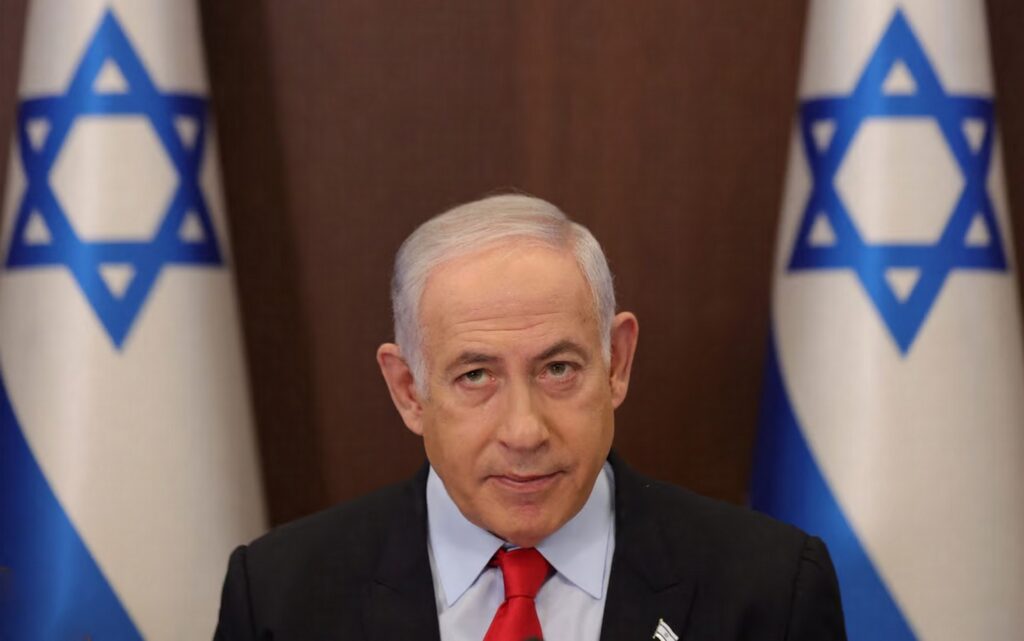
The Economist highlighted the dangers Israel faces with the advent of its “Independence Day” – as the same day of May 15 also reference to the 76th anniversary of the Palestinian people’s Nakba – amid internal and external threats, and between anger, tears and mutual accusations.
External threats are clearly visible across the border, where Israel is caught up in a catastrophic war in Gaza that has killed tens of thousands of Palestinians, and Israel has been hit by a wave of protests as well as legal action accusing it of violating international law along with the rise of anti-Semitism globally.
The US President Joe Biden has begun restricting arms supplies to Israel to dissuade it from overrunning the southern Gaza Strip city of Rafah entirely, and to appease his critics in the United States.
The picture is also bleak far from Gaza, where Hezbollah is waging a war of attrition against Israel from southern Lebanon, forcing tens of thousands of residents on both sides of the border to abandon their homes.
The Houthis in Yemen are targeting navigation in the Red Sea to besiege Israel, they say, and Iran launched a direct attack on Israel on April 13 in response to the assassination of one of its highest-ranking generals in a raid on its consulate in Damascus.
As the death toll in Gaza mounted, Israel’s relations with its Arab neighbors began to deteriorate, with Egypt, which borders Gaza and fears a spillover of the war, in particular.
On the home front, the scene of unity among Israelis was evident in the early days following the attack by Hamas on Israel on October 7-2023, but as the war dragged on, divisions resurfaced.
Israeli support for the Gaza invasion did not turn into support for the government of Benjamin Netanyahu, who angered many Israelis by refraining from taking responsibility for the failure that led to the seventh of October.
Grudges among Israelis have deepened over the debate over equal bearing the burden of war.
The fighting sharpened secular anger against the ultra-Orthodox, who make up 13% of Israelis and are exempt from military service.
Israel’s Supreme Court ruled that the exemption was unconstitutional, angering religious parties, a key component of Benjamin Netanyahu’s ruling coalition.
On the day of remembrance of Israeli soldiers killed since 1948, government ministers were interrupted by boos during the ceremony, and relatives of soldiers killed in Gaza left during Netanyahu’s speech at the National Cemetery.
Netanyahu has refused to develop a strategy to end the war except for vague goals such as destroying Hamas and absolute victory, because he remains heavily dependent on his far-right coalition partners, who never hide their desire to permanently reoccupy Gaza and rebuild the settlements that were dismantled there in 2005.
In the early months of the war, an overwhelming majority of Israelis supported it, but the landscape has changed, according to a recent poll, 62% of Israelis now believe that a temporary ceasefire for the release of living hostages in Gaza should take precedence over carrying out a military operation in Rafah.
Those who were demonstrating a year ago against the judicial reshuffle of Netanyahu’s government have returned to the streets but have been unable to agree on a unified message: some demanding the release of hostages at all costs, others calling for an end to the war, and many pushing for Netanyahu’s removal from power.
Government supporters, in turn, organized pressure groups from the families of detainees and slain soldiers, demanding that Israel continue to pound Gaza.
The Biden administration and its regional partners have offered Israel a way out of the war with a vision to revitalize the Palestinian Authority to replace Hamas in Gaza and build a US-backed regional coalition to counter Iran and its allies.
These options are never easy, but they have an advantage over a seemingly unwinnable war, according to The Economist.
But divisions among Israelis make this path nearly impossible, hampered by a combination of a severely traumatized and fragmented population, an electoral system that gives disproportionate power to small extremist parties, and a leader who lacks support who fights for his political survival above all else.
A year ago, right-wingers, including Netanyahu, believed that Israel could withstand its internal turmoil because it no longer faced external threats as it once did.
Today, it’s clear that even at the height of the war, Israel’s greatest threats are still within.