Polling stations open in the Turkish municipal elections which represents a new challenge and test for the Turkish president and his party in the face of the opposition
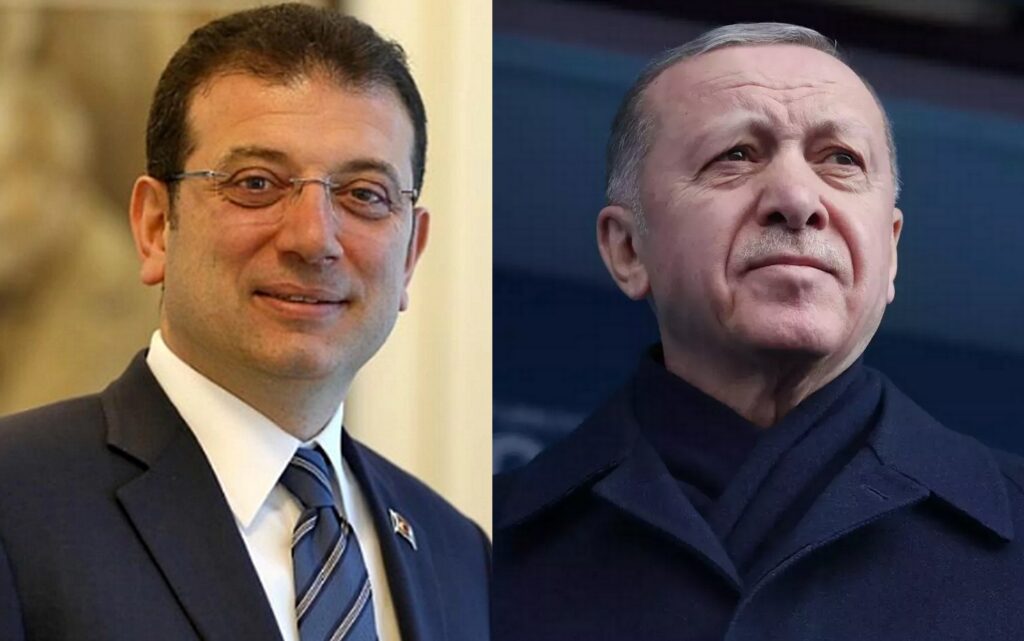
Turkish citizens began voting on Sunday in nationwide municipal elections that focus on Turkish President Recep Tayyip Erdogan’s efforts to regain control of Istanbul from his main rival, the current mayor from the opposition, People Republican Party (CHP), Ekrem İmamoğlu, who aims to strengthen the opposition once again as a political force after bitter defeats in elections last year.
Istanbul Mayor Ekrem İmamoğlu dealt Erdogan and his AKP the biggest electoral blow in his two decades in power by winning the 2019 elections.
The president responded in 2023 by securing his re-election as president and winning a parliamentary majority with his nationalist allies.
Sunday’s elections could now consolidate Erdogan’s control over NATO member Türkiye, or signal a change in the divided political landscape in the country with an important emerging economy.
İmamoğlu’s victory is seen as fueling expectations that he will become a national leader in the future.
Voting centers opened their doors at seven in the morning (04:00 GMT) in eastern Türkiye, while voting in other places begins at eight in the morning and ends at five in the evening. Preliminary results are expected to be released by 10 pm (19:00 GMT).
Opinion polls indicate a close electoral race in Istanbul, a city with a population of 16 million that leads the Turkish economy, where Ekrem İmamoğlu faces a challenge from the Justice and Development Party candidate and former minister Murat Kurum.
Factors likely to contribute to the election results include economic problems resulting from rampant inflation approaching 70%, as well as Kurdish and Islamist voters’ assessment of the government’s performance and their hopes for political change.
While the biggest prize for Erdogan is Istanbul, he also seeks to reclaim the capital, Ankara.
The opposition won the two cities in 2019 after they had been under the rule of the Justice and Development Party and its Islamist predecessors for the past 25 years.
Erdogan’s chances have improved due to the collapse of the opposition coalition that defeated him last year, although İmamoğlu remains popular with voters outside the main opposition Republican People’s Party (CHP).
Voters from the main pro-Kurdish party played a crucial role in İmamoğlu’s success in 2019.
Their party, the Equality and Peoples’ Democracy Party, is this time running its own candidate in Istanbul, but many Kurds are expected to put party loyalty aside and vote for İmamoğlu again.
In the country’s majority-Kurdish southeast, the Equality and Peoples’ Democracy Party is seeking to reassert its power after the state ousted the mayors of the pro-Kurdish party following the previous elections over alleged ties to militants.
Among the factors working against Erdogan are increased support for the Islamist New Welfare Party due to its hardline stance against Israel on the war in Gaza and dissatisfaction with the Islamist-rooted Justice and Development Party’s handling of the economy.