New York Times: Khamenei agreed to direct talks with the Trump administration
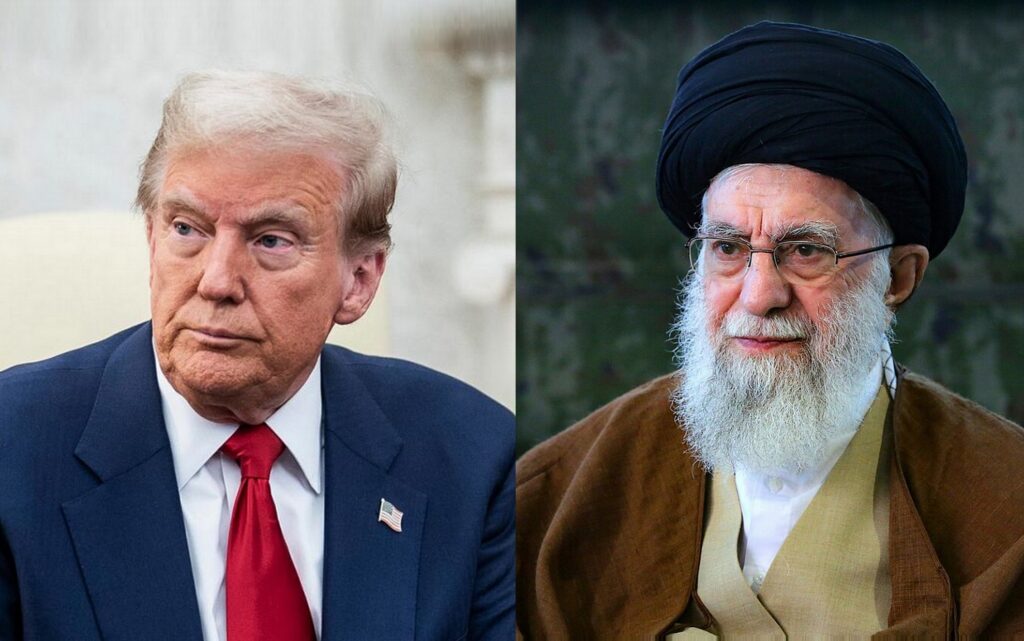
The New York Times revealed a surprising shift in the position of Iranian Supreme Leader Ali Khamenei, who recently agreed to hold direct talks with the United States, following intense domestic pressure and warnings of escalating tensions and the potential for a full-scale war.
According to the report, New York Times cited informed Iranian sources who preferred to remain anonymous, this shift came during an emergency and secret meeting held last month in Tehran.
The meeting included senior state officials, including Iranian President Masoud Pezeshkian, Judiciary Chief Gholamhossein Mohseni Ejei, and Parliament Speaker Mohammad Bagher Qalibaf.
According to the sources, these leaders conveyed an explicit message to Khamenei that the alternative to dialogue could be the overthrow of the regime itself.
The New York Times explained that the pressure on Khamenei was based on two main points: the worsening domestic economic crisis and the growing threat of an imminent military attack that could target key nuclear facilities such as Natanz and Fordow.
Officials warned that a refusal to negotiate or the failure of the talks could lead to an uncontainable US-Israeli military intervention.
The sources added that, after hours of discussions, Khamenei initially agreed to begin indirect negotiations through mediators, with the aim of later developing into direct talks if things proceed as hoped.
This move coincided with a surprise announcement by former US President Donald Trump, who said on Monday that new negotiations between Washington and Tehran would be held in the Sultanate of Oman, which has acted as a mediator in previous negotiations between the two sides.
It’s worth noting that during his first term, Trump withdrew from the 2015 nuclear agreement, brokered by the Obama administration.
His return to the White House is believed to have prompted Tehran to reconsider its negotiating strategy, particularly with mounting Israeli pressure and increased strikes targeting Iranian sites in the region and within Iran itself.
The escalation of the situation in the region, especially after Hamas’ attack on Israel in October 2023, led to a wave of Israeli attacks, weakening Iran’s regional position and threatening its internal stability.
Since Washington’s withdrawal from the nuclear agreement, Tehran has intensified its uranium enrichment activities, raising concerns among Western countries that Iran is approaching the capability to produce nuclear weapons, which Israel considers an existential threat.