Netanyahu announces reaching an agreement to form a new government in Israel after weeks of difficult negotiations with religious and far-right partners
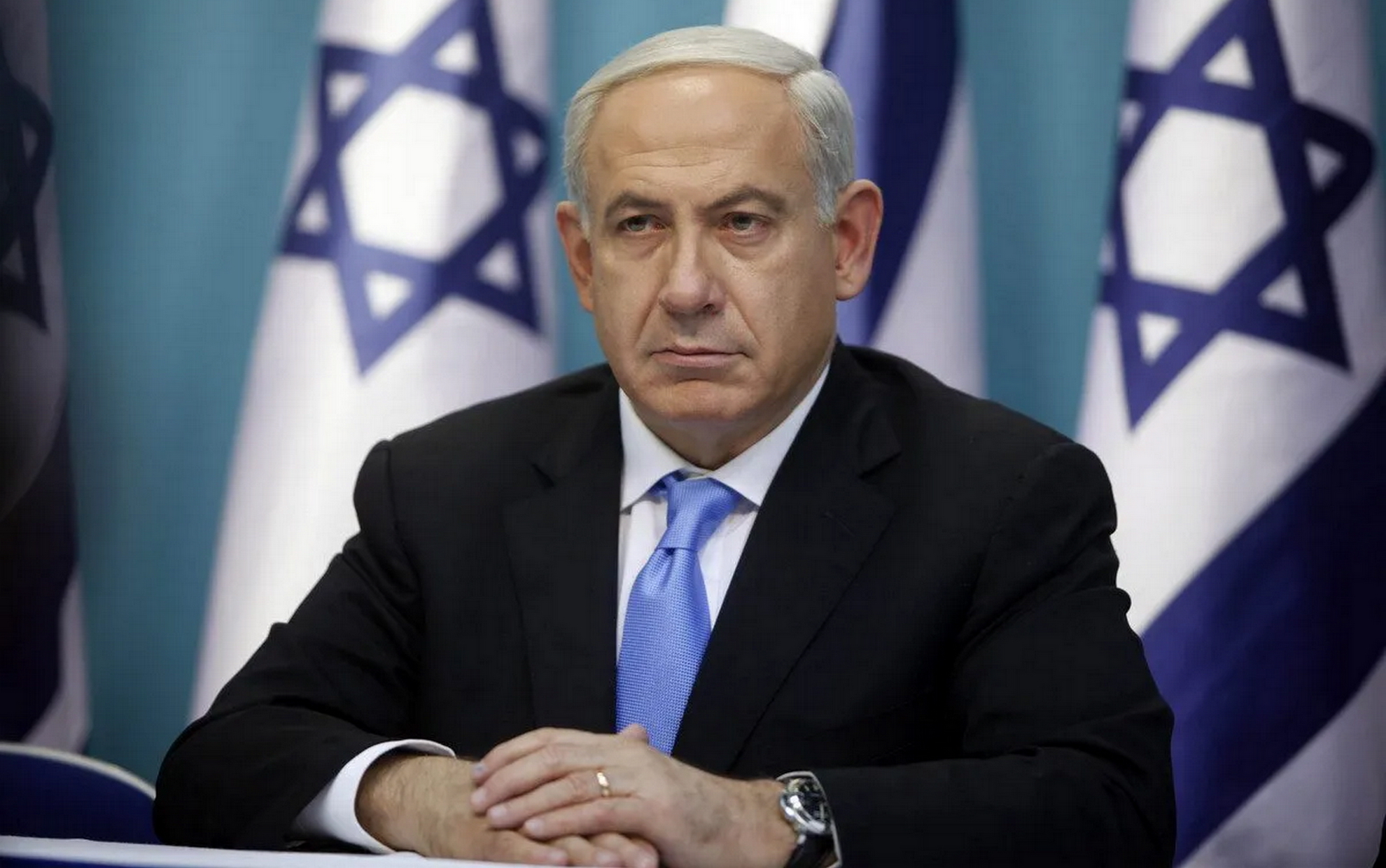
Israel’s longest-serving Prime Minister, Benjamin Netanyahu, said on Wednesday he had reached an agreement to form a new government after weeks of unexpectedly difficult negotiations with religious and far-right coalition partners.
“I managed to form a government,” Netanyahu wrote on Twitter, minutes before President Isaac Herzog’s midnight deadline.
A spokesman for Herzog confirmed receiving Netanyahu’s announcement.
Netanyahu’s conservative Likud party and like-minded national religious parties close to ultra-Orthodox and West Bank settlers won a comfortable majority in the Nov. 1 election, giving Netanyahu control of 64 of the 120-seat Knesset.
However, approval of the formation of the government was hampered by disagreements over a proposed package of legislation on several issues such as planning authority in the West Bank and ministerial control over the police.
The new government, which Netanyahu must now present within a week, will take power after a year that saw the worst levels of violence in the West Bank in more than a decade, with more than 150 Palestinians and more than 20 Israelis killed.
The government’s stability will represent a way out of a turbulent period that saw Israelis go to the polls five times in less than four years.
But the weeks-long debate made it clear that the alliance may still face significant internal tension.
The composition of the government, as well as proposals that would give parliament greater powers to overturn court decisions, have raised concerns in Israel and abroad, as critics see it as a threat to the independence of the justice system.
The inclusion of the ultra-Orthodox Itamar Ben-Gvir of the ultra-nationalist Jewish Power party and Bezalel Smotrich of the far-right religious Zionist party has shocked Palestinians and liberal Israelis.
Both oppose the establishment of a Palestinian state and support the extension of Israeli sovereignty over the West Bank, adding yet another obstacle to the two-state solution that Palestinian leaders, the United States, and European governments support.
Ben Gvir would hold the post of security minister, with authority over the police, while the pro-settler Smotrich party would control planning in the West Bank, giving it sweeping powers over Palestinian lives and opening the door to the expansion of Israeli settlements.
Ben Gvir also wants to assume more direct control of the police through legislation that would give him direct power over political matters usually decided by the police commissioner.
Meanwhile, Aryeh Deri, leader of the religious Shas party, is seeking the post of finance minister despite being convicted of tax fraud.
He will hold the ministry for two years under a joint arrangement with Smotrich, who will serve the first two years of the government’s term.
Netanyahu said he would ultimately set Israeli policy and vowed to govern in the interest of all citizens of Israel.
The veteran leader, who returned to power after 15 years as prime minister, is being tried on corruption charges he denies.