National Interest: Biden’s Ukraine policy is heading toward disaster
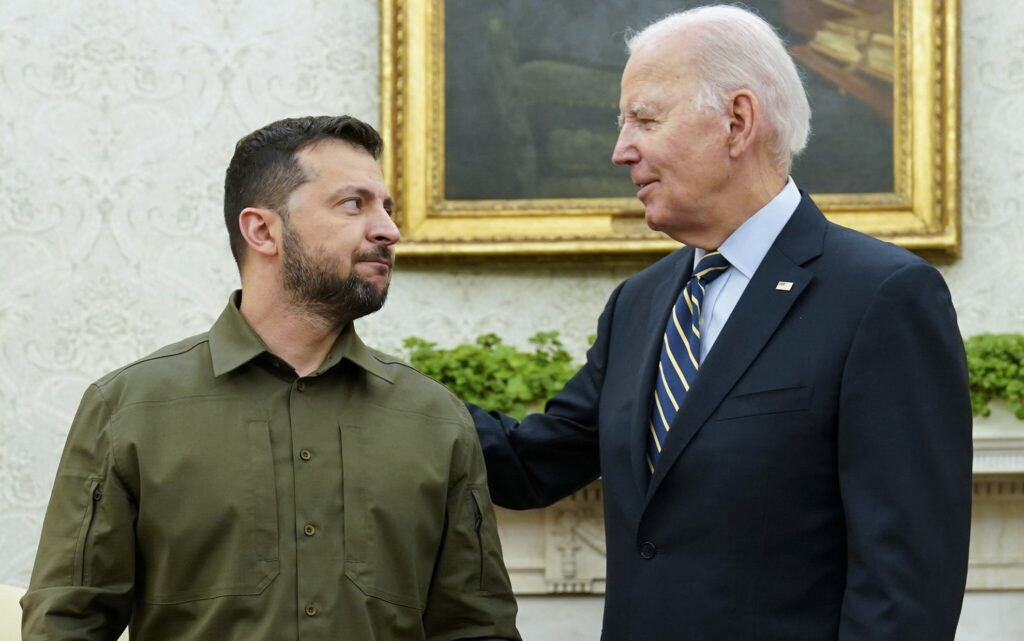
Allowing Ukraine to use US weapons to strike targets on Russian territory increases the risk of escalation without purposefully assisting Ukrainian capabilities, Robert Clark wrote in the National Interest.
NATO is facing an important turning point in its support for Ukraine’s defense against Russia.
The Biden administration, in agreement with several US European allies, has approved the use of US weapons to strike targets on Russian soil around the Ukrainian city of Kharkov.
The decision came months after French President Emmanuel Macron publicly floated the idea of NATO troops joining the fight in Ukraine, while the White House denied the possibility, Gen. Charles Brown Jr., chairman of the Joint Chiefs of Staff, acknowledged the imperative of eventually sending military trainers to speed up the process of preparing newly recruited Ukrainian troops for the front lines.
His and Macron’s statements push the war into uncharted territory, creating opportunities for significant escalation while contributing little to Ukraine’s ability to change facts on the battlefield.
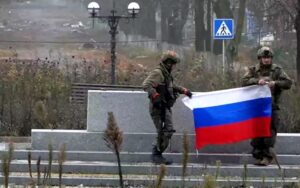
Biden’s authorization to use US equipment to strike targets in Russia near Kharkov reveals US policy that dates back to the beginning of the Cold War — while US military aid was used to attack Soviet and Russian forces, they were never allowed to openly strike targets inside Russia.
Ukraine has already demonstrated its willingness to use its long-range munitions to strike targets related to Russia’s nuclear defense posture, such as the nuclear strategic bombers at Engels Air Force Base earlier in the war and the nuclear defense early warning radar just a few weeks ago.
This creates a huge risk that Moscow will view this policy change as the first stage of a serious expansion of the conflict aimed at the collapse of the Russian state.
The prospect of coalition trainers on the ground creates a different, high-risk, low-reward situation.
US, French, and other trainers will be vulnerable to deliberate or accidental strikes from Russia’s nationwide missile and drone campaign that regularly targets Ukrainian military infrastructure and targets, not to mention the direct danger from artillery, tanks, and infantry to trainers stationed near the front lines.
If these trainers are killed in an airstrike, the victim state may choose to prove that the attack is grounds for activating Article V of the NATO Joint Defense Agreement.
While allied countries could choose to reject this claim, it would create a crisis within the coalition.
This could either lead to direct US involvement in the war or to a major rift in our relationship with allied nations.
Unfortunately, the risks involved don’t stop there.
Trainers and advisers, often drawn from special operations forces, are typically deployed near conflict zones.
Their mission is to strengthen the capabilities of local forces, equipping them with the skills and knowledge necessary to participate in combat effectively.
However, this proximity to the front lines often blurs the lines between training and direct combat engagement.
In Ukraine, US trainers won’t be just passive observers.
Co-author Jason Beardsley has been personally involved in advising and assisting assignments during his twenty-two years in the US armed forces.
They are actively involved in commanding and directing local forces, and are likely to find themselves in the middle of combat scenarios.
The historical precedent for the US advisory and assistance mission in Vietnam suggests that the Biden administration will dormant toward a scenario that contributes to the mission’s creep into all-out war.
The distinction between counselling, assistance and training becomes indistinguishable from combat.
These trials highlight the risks US trainers will face in Ukraine.
The possibility of direct engagement with Russian forces, whether intentional or accidental, could have far-reaching consequences. Escalating the conflict wouldn’t only endanger the lives of American individuals, but also risk dragging the United States into a broader confrontation with Russia.
Shifts in President Biden’s policy create a situation in which the administration will find it very difficult to control escalation in crises.
President Biden promised the American people that he would not send troops to the ground in Ukraine.
Unfortunately, his current policies are slowing the US to violate those promises.