More details about the Russian Army semi mobilization
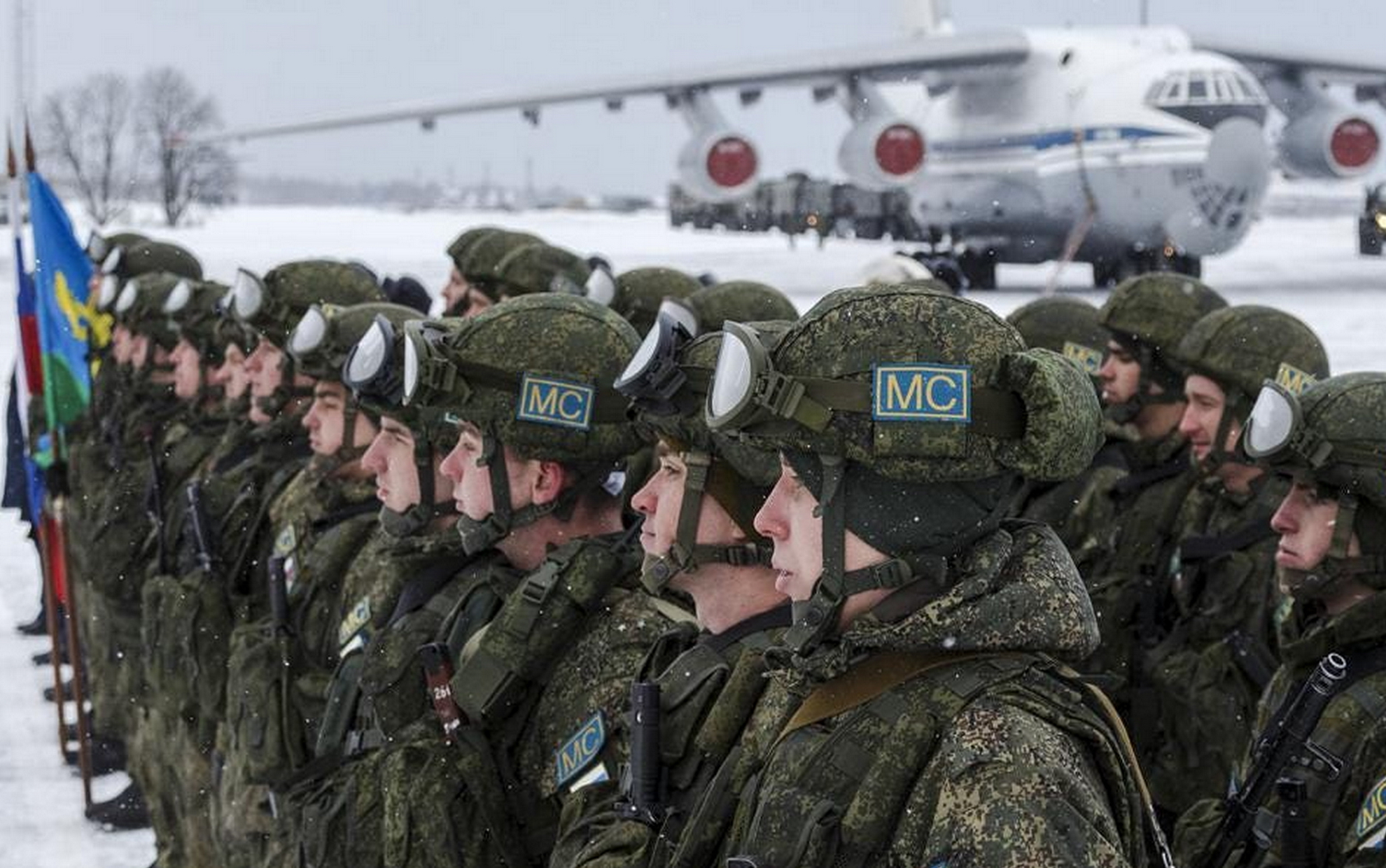
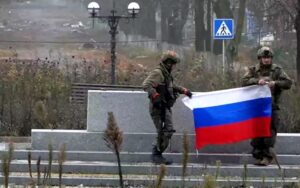
The Russian President Vladimir Putin has ordered his country’s first mobilization since World War II, after what Moscow considers a major setback on the battlefield, in an attempt to beat the military tide in a conflict he sees as separating East and West.
Russia officially describes the mobilization so far as partial, in which 300,000 soldiers from the reserve forces will be called up over a period of months, instead of a full call-up that depends on a huge reserve force of 25 million, according to the Russian Defense Minister.
According to Russian legislation, people between the ages of 18 and 60, whether men or women, can in theory be called up in the reserve forces according to their rank.
Western military analysts have repeatedly said that Russia is suffering from a severe shortage of manpower on the battlefield in Ukraine because of its heavy losses, and Russian nationalists have been calling for months for some kind of mobilization to breathe new life into a campaign they describe as faltering.
As for Ukraine, it launched a mobilization program two days before the Russian war that began on February 24, and shortly after that declared martial law that prevents males between the ages of 18 and 60 from leaving the country, and is now in the fourth stage of mobilization.
The exact number of soldiers mobilized from the reserve forces in Ukraine is confidential, but official statements indicate that it is at least 400,000.
The following are the main elements of the Russian mobilization plan, some of which were presented by the Kremlin website in a decree signed by Putin, while the Russian president himself or his defense minister revealed other parts of it: Immediate call-up of 300,000 soldiers from the reserve forces who previously served in the Russian army and have combat experience or specialized military skills, and this won’t include students or conscripts who serve for mandatory 12-month periods in the armed forces.
The army is looking for soldiers from the reserve forces who occupied in the past specific and specialized jobs in the army, such as tank drivers, bomb experts and snipers, but the exact list of specializations required by the army is confidential because it will reveal the Russian areas that are lacking in personnel.
Critics of the plan said the wording of the mobilization decree and details of who would include it and who would exclude it appeared to have been deliberately left vague to give authorities a wide leeway when implementing it.
Within this state of ambiguity, the figure of 300,000 wasn’t mentioned in the decree that was published, but it came in an interview that Defense Minister Sergei Shoigu gave to state television, while the Kremlin mentioned that part of the decree, which it said indicated that it indicated the mobilization of up to 300,000 soldier in stages, not deliberately deployed.
It wasn’t clear if other details were also intentionally withheld.
According to Shoigu, the main task of the reservists will be to strengthen the front line in Ukraine, which is currently more than 1,000 kilometers long.
“It is natural that what is behind this line needs to be strengthened,” Shoigu told state television… The area must be controlled”.
Reservists can’t actually be deployed to Ukraine right away because they first need new training and a look at how Russia is carrying out what it describes as a “special military operation”.
Western military analysts expect to see no action for months.
Seasoned soldiers who are currently serving in the armed forces will have their contracts automatically extended until the authorities decide to end the temporary mobilization period.
This means that it has become much more difficult for such soldiers to leave the service.
It is not possible to leave the army or the reserve force except for reasons related to age or health, which is decided by a military medical committee, or for those who have been sentenced to prison.
Those working in the defense field can defer service.
A day ago, the Russian parliament approved a bill that tightens penalties for crimes such as desertion, damage to military property, or insubordination if committed during military mobilization or combat.
According to a copy of the draft law, the voluntary that don’t surrender to Russian military personnel, that becomes a crime punishable by 10 years in prison.
Reservists will receive financial incentives, and the level of their wages will be equal to those of permanent military personnel in the Russian armed forces, who receive salaries much higher than the average salary in Russia.
These incentives may attract some residents of regions where wages are usually lower than in the major cities.
Western military analysts wonder whether Russia has enough military equipment and a sufficient number of experienced military trainers to qualify and deploy reservists after the losses it incurred in Ukraine, according to them.
On the other hand, Moscow confirms that it already has this.
Western military analysts differ about whether the partial mobilization was too small and too late to change the course of the war in favor of Moscow.
The announcement of the mobilization apparently alarmed some potential reservists, and according to airline ticket sales data, tickets for flights leaving Russia were quickly sold out in later day, Wednesday.
There were unverified media reports that Russian border guards had returned some of the men.
The imprisoned opposition politician Alexei Navalny expected on Wednesday, that many will try to escape the mobilization.
Activists from the anti-war “Vesna” (spring in Russian) coalition called on citizens to protest against the declaration of mobilization in the center of cities and towns.
The authorities are likely to disperse any such protests.
Russian law doesn’t allow any demonstrations without prior permission.
The so-called Vesna coalition said in a statement, that the mobilization “means throwing thousands of Russians… Our fathers, our brothers and our husbands into the war grinder”.
“Now the war is coming to every home and every family,” adding.
The independent group OVD Info, which monitors protests, said that more than 1,311 people were arrested until late Wednesday evening, during protests against the partial mobilization decision, based on information it obtained from 38 Russian cities.
The group said these numbers include at least 502 in Moscow and 524 in Saint Petersburg, which is Russia’s second most populous city.