Maariv: Israel won’t be targeting the new Iranian supreme leader
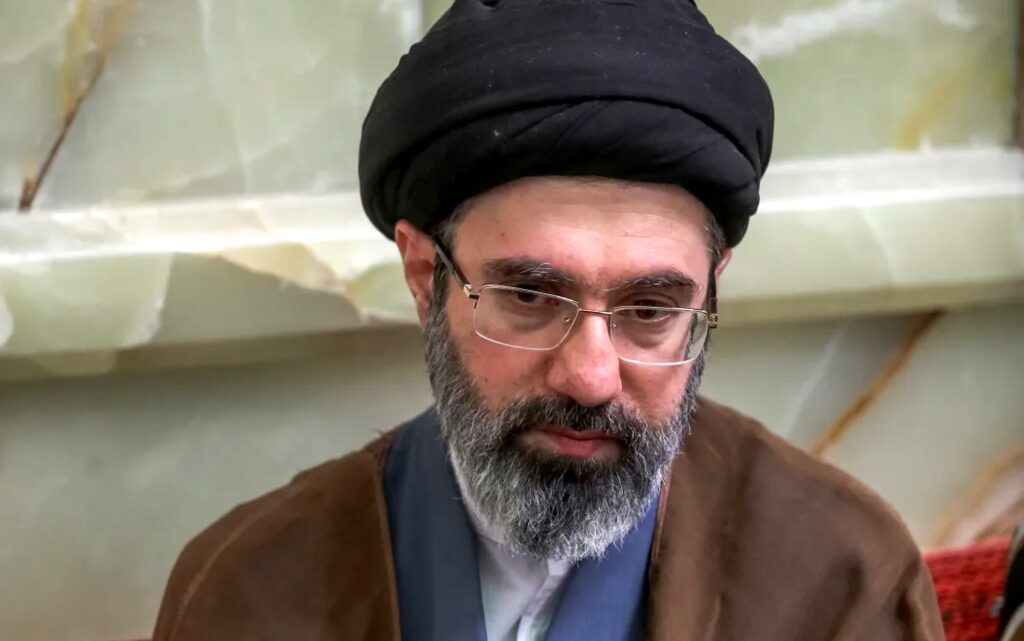
The Maariv newspaper said that Israel doesn’t intend to target Iran’s Supreme Leader Ayatollah Mojtaba Khamenei, in compliance with a US decision to retain a prominent Iranian figure, in preparation for granting him internal legitimacy vis-à-vis Iran’s power centers, in the event of a ceasefire agreement.
According to the Israeli newspaper, the United States has sent a clear message that several prominent Iranian figures aren’t being touched at this time, including Mojtaba Khamenei, as well as Iranian Foreign Minister Abbas Araqchi, and Speaker of Parliament Mohammad Baqer Qalibaf.
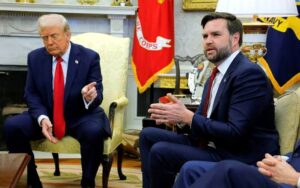
US President Donald Trump told the New York Post on Monday that the people who were running the Iranian regime were completely eliminated, adding that Washington is currently dealing with different people and noting that he is considering whether or not Qalibaf wants to work with the Americans.
According to Israeli estimates, the United States believes that there is a need for a single figure in Iran to sign in the name of the regime and abide by any possible agreement in front of Iranian public opinion, the political establishment and the Revolutionary Guards.
Citing sources in Israel, Maariv said that Mojtaba Khamenei’s public appearance is intentional, as it’s likely that his health condition has deteriorated and he has suffered a deformity in his face, so the Supreme Leader is hiding from Iranian public opinion in order to preserve the morale of the regime, but he is still practicing his duties, and his official status and personal symbolism may make him pivotal when necessary.
Iranian Foreign Ministry spokesman Esmail Baghaei was quoted by IRNA news agency on Wednesday as saying that Supreme Leader Mojtaba Khamenei is in full health, noting that the delay in his public appearance is due to the conditions of the war.
According to the Israeli newspaper, Israel estimates that the Iranian Supreme Leader may find himself in a similar situation to the late leader Yasser Arafat after his political retreat and before the signing of the Oslo Accords, referring to the fact that he was, according to Maariv, a wounded, defeated, and weak leader, but he remained the only person capable of granting the agreement a binding signature.
Maariv said Israel paints a bleak picture of the Iranian regime, believing it to include a divided and separate leadership, living in isolation, and having difficulty formulating a unified position.
Israeli assessments indicate that the main disagreement in Tehran lies between the political camp, which is represented by the president, the foreign minister, and political leaders, and the Revolutionary Guards, which rejects any compromise, considering that there is a real struggle over the leadership of the regime.
According to Maariv, Israel believes that the IRGC seeks to broadcast two main messages: the first is that Iran is capable of withstanding, that its capable of harming the global economy, and that its able to survive until US President Donald Trump weakens him politically.
Second, Trump isn’t seeking a real deal, but is playing a game aimed only at preventing oil prices from rising and giving the appearance of negotiations.
While Israel estimates that the pressure on Iran’s pragmatic camp is increasing as the days go by, the damage to the arms industry, particularly the steel industry, is seen in Tehran as a major blow far beyond a specific military attack.
In a post on Truth Social, Trump celebrated Friday the targeting of Iran’s largest bridge, warning that the future is greater, and calling on Tehran to “conclude a deal before it’s too late, and before there is nothing left of this country that still has the elements of greatness”.