India and the United States are moving toward a trade agreement despite continued tariffs
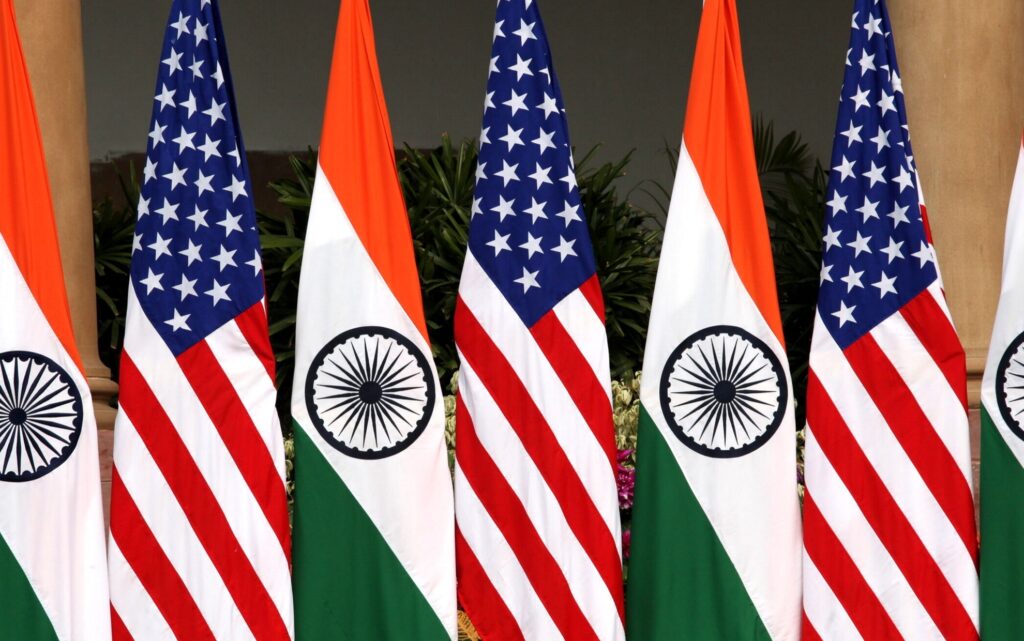
India and the United States have reached an understanding on the first phase of a bilateral trade agreement, scheduled to be completed by fall 2025, without any indication of the possibility of exempting Indian products from US tariffs, which are due to take effect soon.
Trade talks between the two countries took place in New Delhi this week, days before the implementation of the stricter tariffs announced by US President Donald Trump, scheduled to take effect on April 2, which include duties on Indian products.
India faces pressure due to its protectionist policies and its trade surplus with the United States, making it vulnerable to potential economic measures by the Trump administration.
New Delhi will also be affected by the 25% tariffs that Washington intends to impose on countries importing oil from Venezuela.
The Indian Ministry of Commerce issued a statement confirming that the negotiations resulted in a general consensus on the next steps for concluding a mutually beneficial, multi-sectoral bilateral trade agreement, with a focus on facilitating market access, reducing tariff and non-tariff barriers, and enhancing supply chain integration.
However, the statement didn’t address any concrete measures related to the cancellation or reduction of US tariffs that will be implemented starting next Tuesday, raising questions about the extent to which the anticipated agreement will alleviate trade tensions between the two countries.
According to a report by India Ratings and Research, Indian exports to the United States could be severely impacted by these new tariffs, with the measures potentially affecting up to $7.3 billion worth of Indian exports during the next fiscal year.
In an effort to ease trade tensions, the Indian government has taken positive steps toward the United States in recent weeks, reducing tariffs on some US products such as luxury motorcycles and bourbon whiskey.
Media reports also indicated that India may consider eliminating fees on some digital services, such as online advertising, or reducing customs duties on cars, electronics, and medical services.
US President Donald Trump has previously described India as one of the countries with the highest tariffs in the world, but recently hinted that trade relations between the two countries would improve, without providing any further details.
With US tariffs and trade pressures continuing, the most important question remains: Will the anticipated agreement between India and the US be able to ease trade tensions, or will these negotiations remain stuck in the shadow of increasing protectionist policies?