Germany’s gas stock fall to record levels in winter… as German chancellor begins visit to Gulf in search of gas deals
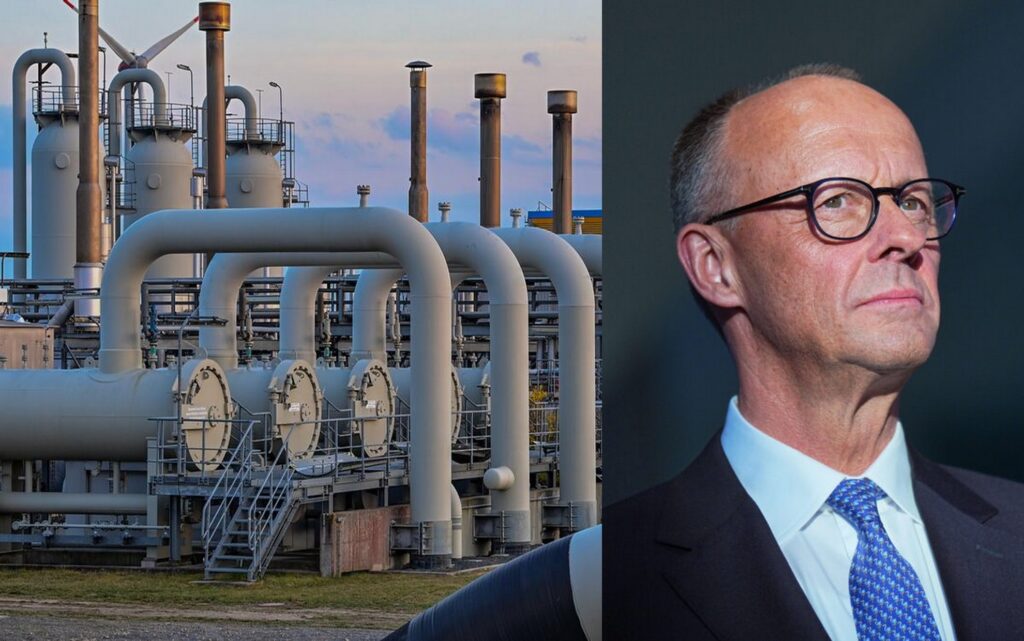
Germany is witnessing an unusually low level of natural gas stockpiles within storage facilities this winter, amid persistent cold weather and increased demand for heating.
Recent estimates showed that gas levels in German stock fell significantly compared to previous years in the same period of the year, in an indicator reflecting an increase in consumption compared to planned filling rates during the winter season.
The competent authorities confirmed that the withdrawal of gas from the reservoirs is being carried out at a faster pace than usual, due to the energy needs of consumers in light of the cold waves that hit large parts of the country.
Despite this decline, authorities and energy officials confirmed that national gas supplies remain secure for the time being, and that the grid is operating normally, with residual stocks to meet market needs.
Officials also noted that low inventory levels don’t mean an immediate supply crisis, but it’s an indication of the challenges facing Germany’s winter energy sector this year.
This situation comes in the context of strategic changes in European energy markets, following the reduction of dependence on Russian gas since 2022, and the adoption of alternative sources such as liquefied natural gas from international suppliers, in addition to gas coming from countries such as Norway and the Netherlands.
Energy experts’ analyses showed that the decline in gas inventories in Germany reflects market balances between supply and demand under the weight of cold weather, and that the high demand for domestic gas for heating plates is contributing to the acceleration of the use of winter stockpiles.
Despite official assurances that the situation is under control, some media reports indicate that prices may witness upward fluctuations due to these conditions, calling for careful follow-up of developments in storage and consumption levels, especially in the event of a continued drop in temperatures in the coming period.
In this regard, German chancellor will begin a two-day official visit to the Gulf countries today, during which he will focus on gas deals and strengthening cooperation in the fields of energy and security, as part of Berlin’s efforts to diversify its sources of energy imports in light of the current geopolitical transformations.
The chancellor’s tour includes Saudi Arabia, Qatar and the United Arab Emirates, amid growing German interest in securing stable and long-term energy supplies, especially after reducing reliance on traditional sources.
The visit comes at a time when Berlin is facing concerns about using energy as a political and commercial leverage, prompting it to expand its partnerships with Gulf states.
According to observers, long-term gas contracts are one of the main themes of the visit, despite the challenges associated with their compatibility with German climate policies, especially with talk of potential risks to gas imports after 2043.
The visit also includes discussions on strengthening defense cooperation and discussing the tense security situation in the region, in light of the escalation of regional and international crises, and Germany’s quest to play a more active role in the stability and energy issues in the international arena.