CNN: Germany’s Finance Minister responds to describing his country as the sick man of Europe
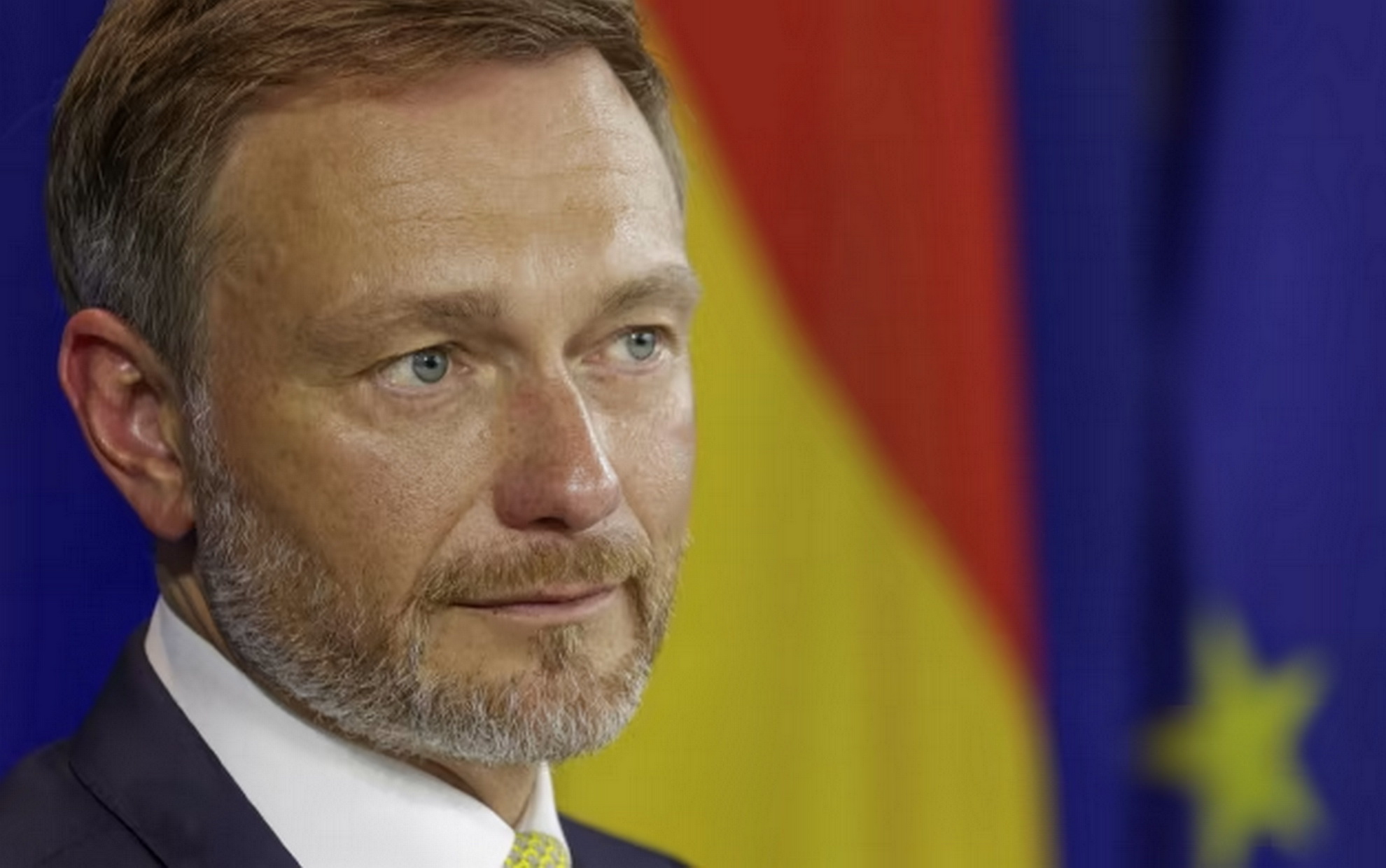
The German Finance Minister ignored suggestions that his country had once again become the “sick man of Europe”.
The German Finance Minister Christian Lindner said that his country “just a little tired and needed a cup of coffee!”
The German economy, long the engine of growth in Europe, contracted last year by 0.3%, probably the weakest performance among the region’s major countries, with some analysts expect zero growth in 2024.
“I know what some of you are thinking: Germany may be a sick man,” Finance Minister Christian Lindner said on the sidelines of the Davos Economic Forum.
“Germany isn’t a sick man… Germany is a tired man after a short night,” he said.
“The lower growth forecasts are in part a wake-up call, and now we have a good cup of coffee,” Lindner added.
Lindner said, “Germany was at the beginning of an era of new structural reforms”.
Germany became known as the “sick man of Europe” in the late 1990s as its economy faltered and unemployment rates rose.
Germany went on to shed that title by introducing a series of labor market reforms, and its economy boomed in the decade following the 2008 global financial crisis.
The contraction witnessed by Europe’s largest economy last year was the first since the emergence of the Covid-19 pandemic.
Official data showed on Monday that Germany managed to avoid recession by the narrowest of margins, but its weakness increases the risk of economic contraction in the broader euro zone.
“Germany was clearly the worst performer among the major economies in the eurozone last year,” Daniel Krall, chief economist at Oxford Economics, wrote in a note Friday.
The German Federal Statistical Office attributed the decline in GDP to multiple crises, including historically high inflation levels, high interest rates, and weak domestic and foreign demand for German goods.
Germany’s historic reliance on Russian natural gas proved to be its Achilles heel in 2022.
European energy prices were already on the rise when Russia’s invasion of Ukraine early that year pushed them to record levels.
Russia then proceeded to choke off gas supplies to European countries.
The energy crisis paralyzed large sectors of German industry.
There have been fluctuations in natural gas prices since then and Berlin has found new gas suppliers to replace Russia, but the crisis has cast a long shadow.
“We’ve had to reinvent German energy infrastructure and supply in the last 18 months… Our economy has shown resilience,” Lindner said.
While the country’s automobile production and other transportation equipment manufacturing registered growth last year, production in the energy-intensive chemical and metallurgical industries declined.
Overall, industrial production – dominated by manufacturing – contracted by 2%.
China’s economic problems have also affected Germany, and there is another major threat looming: the shipping crisis in the Red Sea.
Tesla said it will idle work at its massive factory in Berlin for two weeks starting January 29 due to delayed shipments of components.